
Last updated November 14, 2026
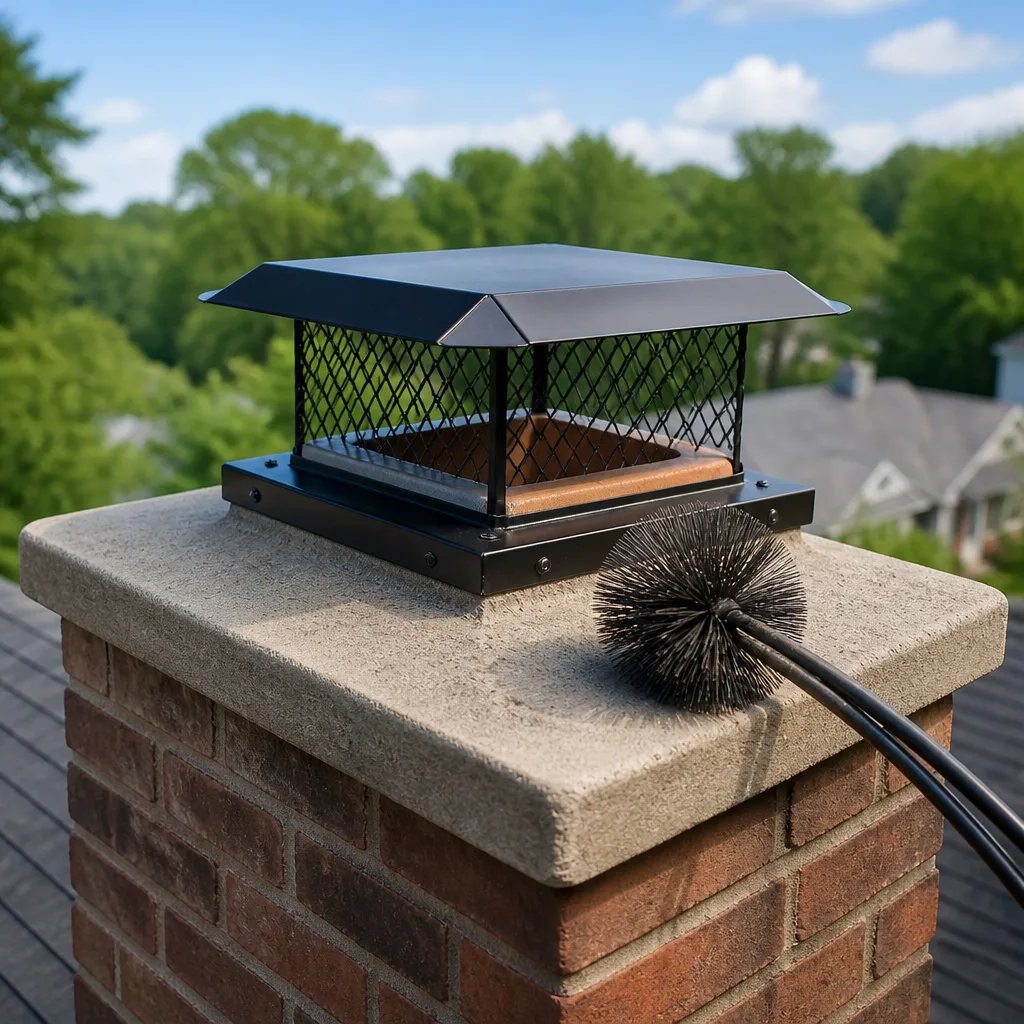 Sweep & inspection
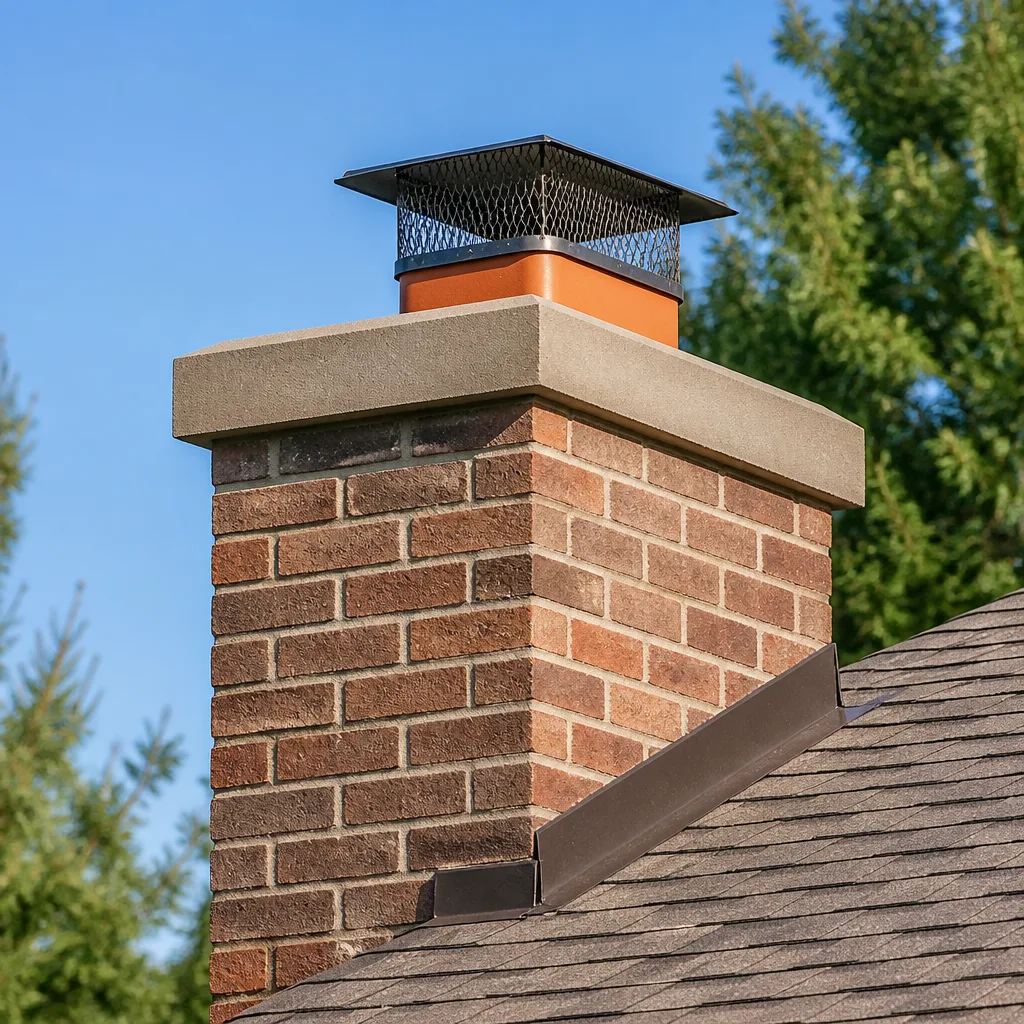 Caps & crowns
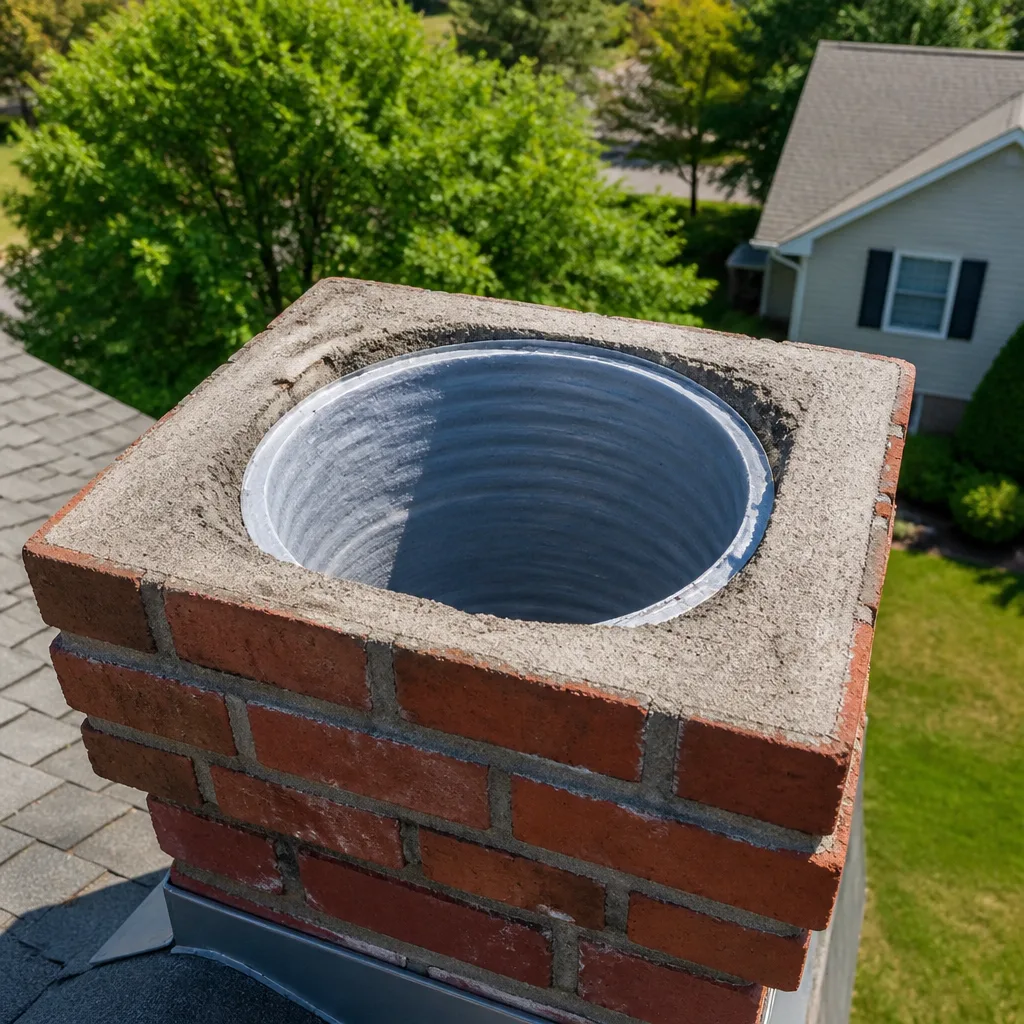 Flue relining
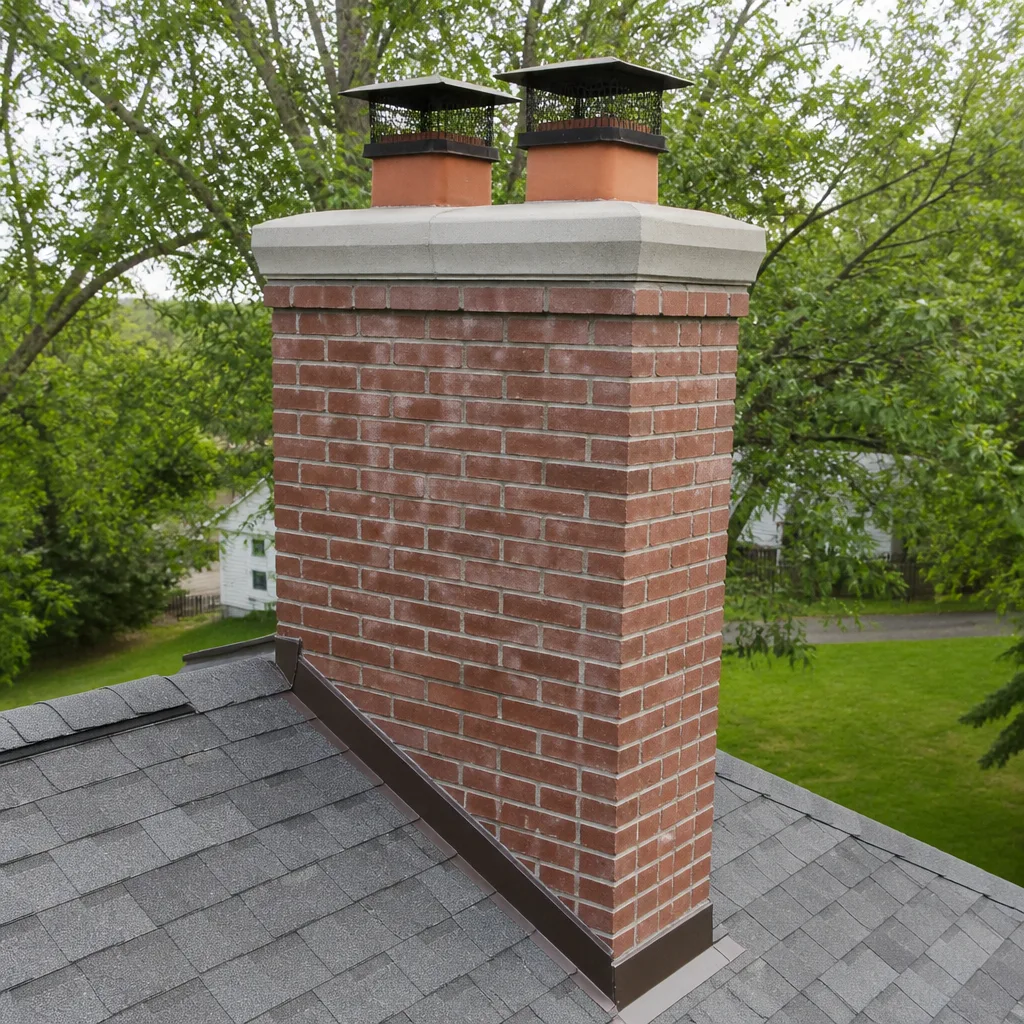 Masonry repair
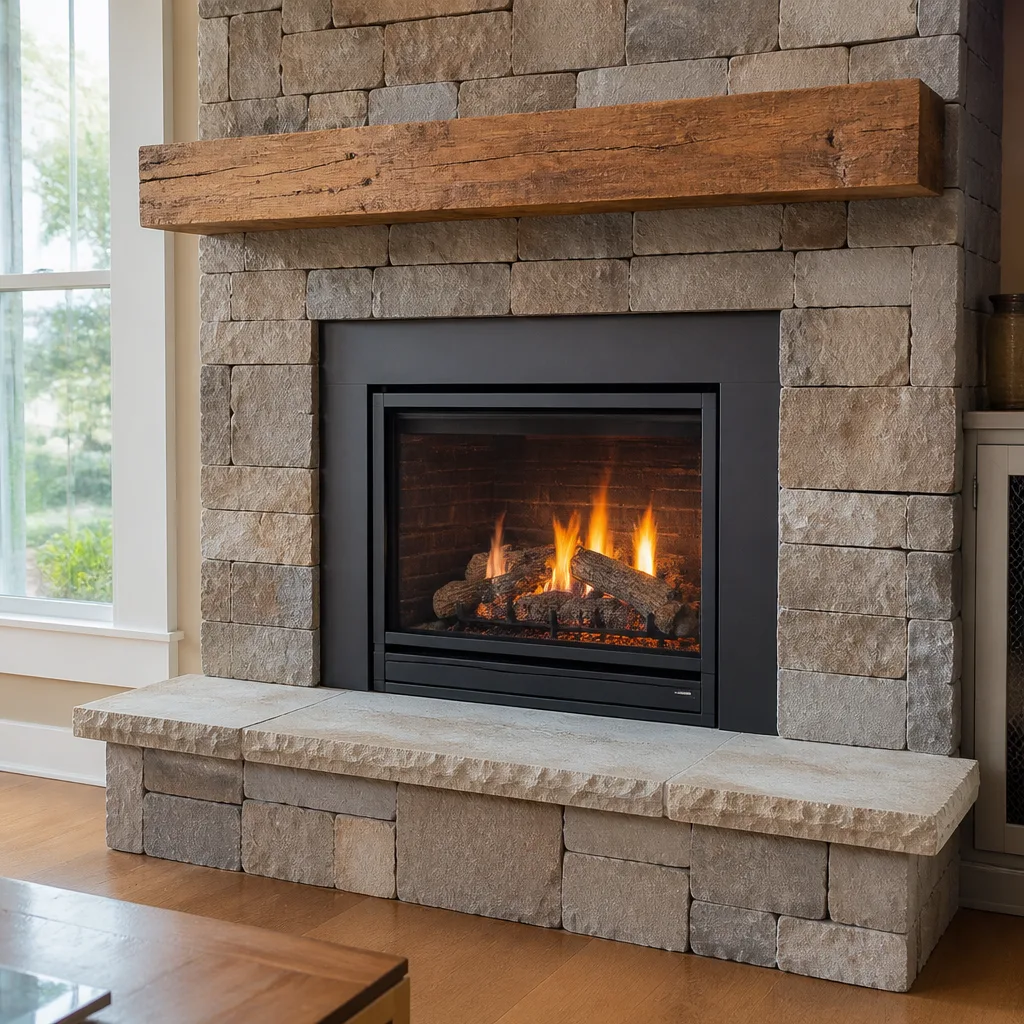 Gas fireplace service
Level 1 sweep and inspection to the NFPA 211 annual standard - flue, crown, cap, and flashing checked and photographed
Chimney sweep logs do not sweep chimneys. They loosen some creosote - which then falls where a brush and vacuum still have to collect it.
How to Hire a Chimney Cleaning Contractor in Indianapolis: A Step-by-Step Guide
Indiana does not require a state license to clean chimneys, which means the cheapest quote you find and the most qualified specialist in town can look identical on paper until something goes wrong. That’s the uncomfortable truth about this trade. A brush, a shop vac, and a magnetic sign on a pickup truck are enough for someone to advertise as a sweep. No exam, no oversight, no minimum insurance requirement. So the burden of vetting falls on you, and most homeowners don’t know what to ask because nobody ever told them. This guide walks through the exact steps to separate a full-system chimney specialist from a low-bid generalist before the truck pulls into your driveway. We’ll cover the credentials that actually matter, the five phone questions that expose inexperience in minutes, and how to compare quotes when every contractor scopes the job differently.
Quick Answer
To hire a chimney cleaning contractor in Indianapolis, verify three things before booking: CSIA or NFI certification, current liability insurance you can confirm in writing, and whether the company handles both sweeping and repairs in-house or refers structural work elsewhere. Then ask five specific questions on the phone about inspection method, photo documentation, and material specifications for any recommended repair. A company that can answer all five clearly, and that can both diagnose and fix what it finds, is the one worth hiring.
Styles & brands we work with
- Sweep & inspection
- Caps & crowns
- Flue relining
- Masonry repair
- Gas fireplace service
Table of Contents
- Which credentials actually matter in Indianapolis
- How to verify certifications and insurance in under two minutes
- The five phone questions that separate capable contractors from opportunistic ones
- Why sweep-only contractors create an accountability gap
- Red flags specific to the Indianapolis market
- How to compare quotes when scope of work varies
- What a legitimate sweep and inspection actually looks like
- Common mistakes to avoid
Which credentials actually matter in Indianapolis
Three credentials carry real weight in this trade, and the rest are mostly noise. Knowing which is which saves you from being impressed by the wrong things.
The CSIA (Chimney Safety Institute of America) certification is the industry’s most recognized credential for sweeps and inspectors. It requires passing a written exam, signing a code of ethics, and renewing through continuing education. A CSIA-certified sweep has demonstrated knowledge of venting, clearances, and combustion fundamentals. It is not a government license, but it’s the closest thing to a professional standard the trade has. Ask for the certification number and look it up yourself on the CSIA’s public directory.
NFI (National Fireplace Institute) certification matters more for gas, wood, and pellet appliance work than for basic sweeping. If your home has a gas insert or a wood stove, an NFI-certified technician has been tested specifically on that equipment category. For a straightforward masonry fireplace sweep, CSIA is the more relevant credential.
Liability insurance is the credential homeowners overlook most often, and it’s the one that protects you directly. Ask for a certificate of insurance showing general liability coverage. A contractor who can’t produce one in writing is asking you to absorb the risk of a dropped brush, a cracked flue tile, or damage to your roof. Insured and bonded should be a baseline expectation, not a selling point.
What doesn’t matter much: years in business as a company metric, fancy equipment names, or a truck wrap. The crew performing the work, their training, and whether the company can stand behind a repair recommendation are what count. In our experience, the technicians doing the work matter far more than the marketing.
How to verify certifications and insurance in under two minutes
You can confirm everything you actually need before you schedule. Here’s the sequence:
- Ask for the CSIA certification number when you call. The sweep should have it ready. If they hedge, that’s an answer in itself.
- Look up the number in the CSIA’s public directory on your phone while you’re still on the call. Certification status is searchable by name or number.
- Request a certificate of insurance by email. General liability coverage is what you want to see. A legitimate company has this ready to send within minutes.
- Verify the policy is current by checking the effective dates on the certificate. Expired coverage is worse than none, because it looks like protection that isn’t there.
- Confirm the company name on the certificate matches the company you’re hiring. A certificate issued to a different entity doesn’t cover the crew showing up at your door.
Two minutes, five steps, and you’ve filtered out most of the market. The contractors who pass this quick check are the ones worth a longer conversation. Those who can’t or won’t produce the documentation have told you what you need to know. For a deeper look at what a legitimate chimney sweep actually involves, we’ve broken that down separately.
The five phone questions that separate capable contractors from opportunistic ones
Ask these before you book. The answers reveal more about a contractor’s capability than any website or review page.
- “Do you do a camera inspection, and will I see the photos?” A real inspection uses a camera lowered into the flue, and the findings should be documented with photos you can review. A sweep who says “we’ll take a look” without offering visual documentation is guessing about the condition of your flue.
- “If you find a problem, can you fix it, or do you refer it out?” This is the accountability question. A company that only sweeps and refers repairs elsewhere has no stake in the diagnosis. A full-system provider can handle both, which we’ll cover in detail below.
- “What material would you use for a liner repair, and why that one?” A capable contractor names specific professional-grade products and explains the reasoning. Vague answers like “whatever we have on the truck” or “a good stainless liner” signal a generalist. Specific product names like DuraFlex or HeatShield indicate someone working with the same materials restoration contractors specify.
- “Is the inspection included in the sweep price, or is it an add-on?” Bait-and-switch pricing is common. A low sweep quote that balloons once the technician arrives is a red flag. Ask directly what the quoted price covers.
- “What does your written estimate include?” Any recommended repair should come with a written estimate that specifies the scope, the material, and the total price. “We’ll figure it out once we’re up there” is not an estimate.
The answers won’t all be perfect, but the pattern will be clear. Contractors who can speak specifically about camera inspection, material selection, and written estimates are in a different category from those who can’t. In our experience, the phone call filters the market faster than any review search.
Why sweep-only contractors create an accountability gap
A sweep-only company that refers repairs to someone else sounds reasonable until you trace what actually happens. The sweep inspects, finds a cracked flue tile or a failing liner, and hands you a referral to a separate chimney repair contractor. Now you’re hiring a second company that has no relationship with the first, no access to the original inspection notes, and every incentive to interpret the findings independently. If the repair fails later, who’s responsible?
This is the accountability gap, and it’s the single most common structural problem in this trade. The person who diagnosed the problem and the person who fixed it are two different businesses, and your only recourse when something goes wrong is to sort out which one to call.
A full-system provider closes that gap. One company sweeps, inspects, diagnoses, and performs the repair, using materials it can name and stand behind. When a HeatShield ceramic resurfacing job is recommended instead of a full liner replacement, the contractor who made that call is the one who performed the work, and the cost savings stay legitimate because the diagnosis and the execution are connected. We work with DuraFlex liner systems, HeatShield resurfacing, and Gelco and Famco caps and venting components specifically because these are the materials a repair contractor can warrant without crossing their fingers. When a company can both diagnose and fix, “we’ll have to order that” delays shrink too, because the parts ecosystem is wider than a sweep-only outfit typically carries.
If your home’s exhaust systems extend beyond the fireplace, that same logic applies to dryer vent cleaning. Your dryer vent is a chimney too, and a company that treats the full picture of household exhaust-fire risk is the one worth building a relationship with.
Red flags specific to the Indianapolis market
Some problems are common enough in this market that they’re worth naming. Watch for these:
- The bait-and-switch inspection upsell. A low advertised sweep price, followed by a technician on-site “finding” urgent problems that cost several times the original quote. A real inspection documents findings with photos and gives you time to decide. Pressure to approve repairs on the spot is a sales tactic, not a safety protocol.
- Photo-less camera “inspections.” Some contractors claim to have run a camera but produce no images. If you can’t see the flue condition yourself, the inspection didn’t happen in any verifiable sense. Insist on photos.
- Vague repair estimates without material specifications. “Liner replacement: $X” tells you nothing about what’s being installed. A proper estimate names the product, the scope, and the warranty terms.
- Cash-only payment with no written estimate. Legitimate contractors provide written documentation and accept traceable payment. Cash-only with no paperwork means no accountability if something goes wrong.
- No physical address or verifiable business identity. A local business should have a real business presence you can confirm. Fly-by-night operators disappear between seasons.
- Technicians who can’t explain the code. If a technician can’t tell you why a clearance matters or what NFPA 211 requires in general terms, they’re working from habit, not knowledge.
Indianapolis has a large enough service market that these operators can cycle through neighborhoods without ever building a repeat customer base. That’s exactly why vetting matters here. The market doesn’t self-correct for you.
How to compare quotes when scope of work varies
Comparing chimney quotes is harder than comparing most home service quotes because contractors scope the work differently. One quote covers a sweep only. Another bundles sweep, inspection, and camera documentation. A third includes a repair recommendation the others haven’t mentioned. To compare fairly, break each quote into its component parts.
Ask every contractor to itemize these categories separately:
- Level 1 sweep (routine cleaning of an accessible flue)
- Level 2 inspection (camera inspection, typically required for real estate transactions, after a chimney fire, or when a problem is suspected)
- Camera documentation (photos or video of the flue condition)
- Cap or crown work, if recommended
- Liner repair or resurfacing, if recommended
- Material specification for any repair (name the product)
- Written estimate document that locks the scope and price
A quote that bundles everything into one number hides whether you’re paying for a real inspection or a quick brush. A quote that itemizes these categories lets you see exactly what you’re getting and compare it against every other bid. The written estimate sets the final price per job, so get it in writing before any work begins.
One comparison trap worth naming: a very low sweep price often means the inspection is minimal and the upsell is aggressive. The cheapest sweep can end up the most expensive job. Compare total scope, not headline price. For an Indianapolis home with an active fireplace, the real question is whether the flue is documented as clean and sound, not just whether someone ran a brush through it.
What a legitimate sweep and inspection actually looks like
Knowing what should happen helps you recognize when it doesn’t. A proper service visit follows a sequence:
- Protect the work area. Drop cloths or floor protection go down before any equipment enters the room.
- Inspect before cleaning. A visual check of the firebox, damper, smoke chamber, and flue opening comes first, so the technician knows what they’re working with.
- Clean the flue and firebox. The appropriate brush size is selected for the flue’s dimensions. The firebox, smoke shelf, and damper are cleaned too, not just the vertical flue.
- Run a camera inspection when warranted. A camera is lowered through the flue to assess the interior lining, joints, and any obstructions. Findings are documented with photos.
- Review findings with you. You see the photos, hear the interpretation, and get a written estimate if any repair is recommended.
- Clean up and remove debris. The work area should be left as clean as it was found.
A sweep that skips the camera inspection on an active fireplace, or that doesn’t document findings with photos, is doing less than a full service. That matters most when a problem is developing below the surface where a brush can’t reach. For a closer look at how this plays out on a typical Stellar Chimney Cleaning visit, that’s worth reviewing before you book.
Common Mistakes to Avoid
- Hiring on price alone. The lowest quote almost always reflects a lower scope of work, not a better deal. A cheap sweep that skips the inspection and the camera documentation leaves you with an unknown flue condition and no photos to prove anything.
- Not asking for the certificate of insurance. Homeowners routinely skip this and discover after a damaged flue tile that there’s no coverage to claim against. Ask for the certificate before the appointment, not after.
- Accepting a photo-less inspection as complete. If you didn’t see photos of the flue interior, you don’t have an inspection you can verify. Verbal reassurance isn’t documentation.
- Approving repairs on the spot under pressure. Legitimate contractors give you a written estimate and time to review it. A repair that “needs to happen today or the house is at risk” is a pressure tactic until proven otherwise with photos and a scope.
- Skipping the annual sweep because the fireplace “looked fine last year.” Creosote buildup is invisible from the firebox, and conditions change with each burning season. What looked fine last year is not the same as cleaned this year.
- Assuming a sweep-only company can handle the repair. If the company refers structural work to a separate business, you’re back to comparing contractors and track the accountability gap. Ask about repair capability before you book.
- Not checking whether dryer vent cleaning is included in scope. Your fireplace isn’t the only exhaust system in the house. Lint buildup in a dryer vent carries the same fire risk as a dirty flue, and a full-system provider should be able to address both.
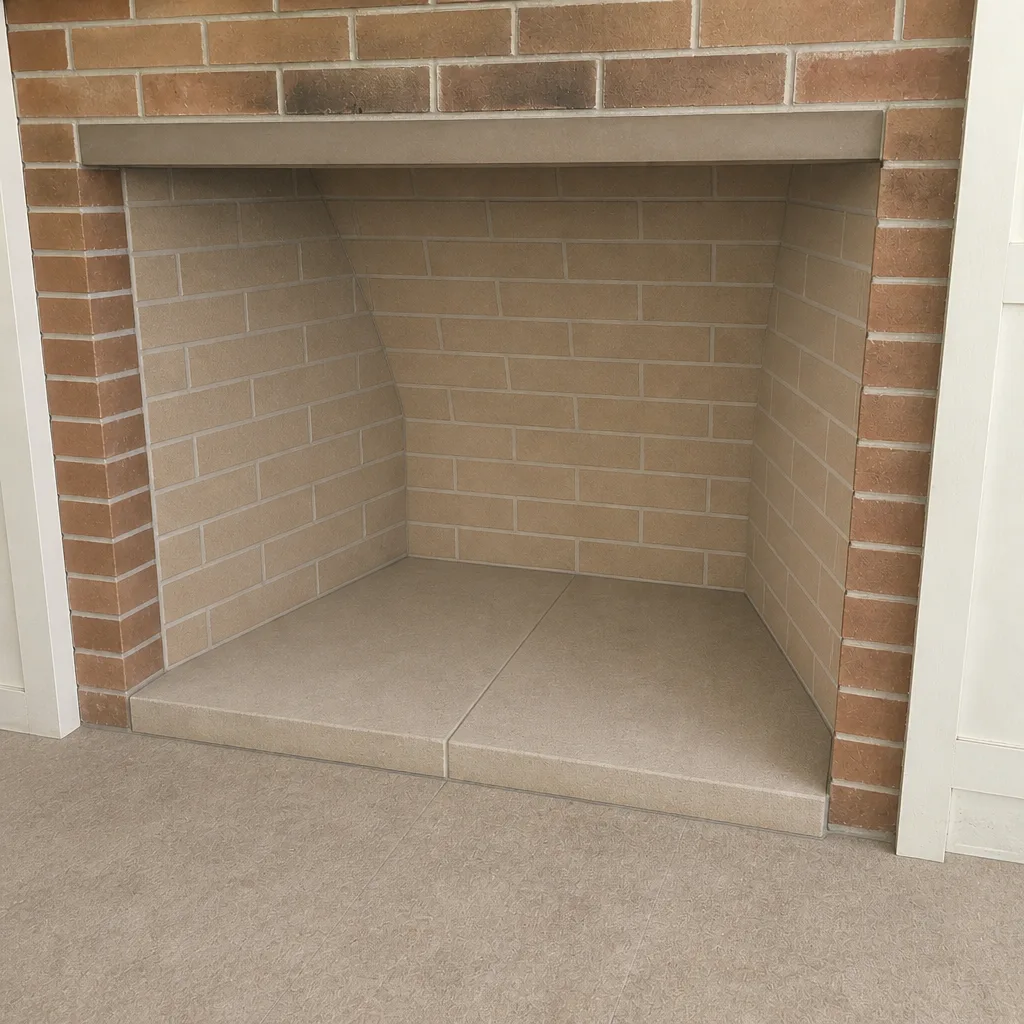
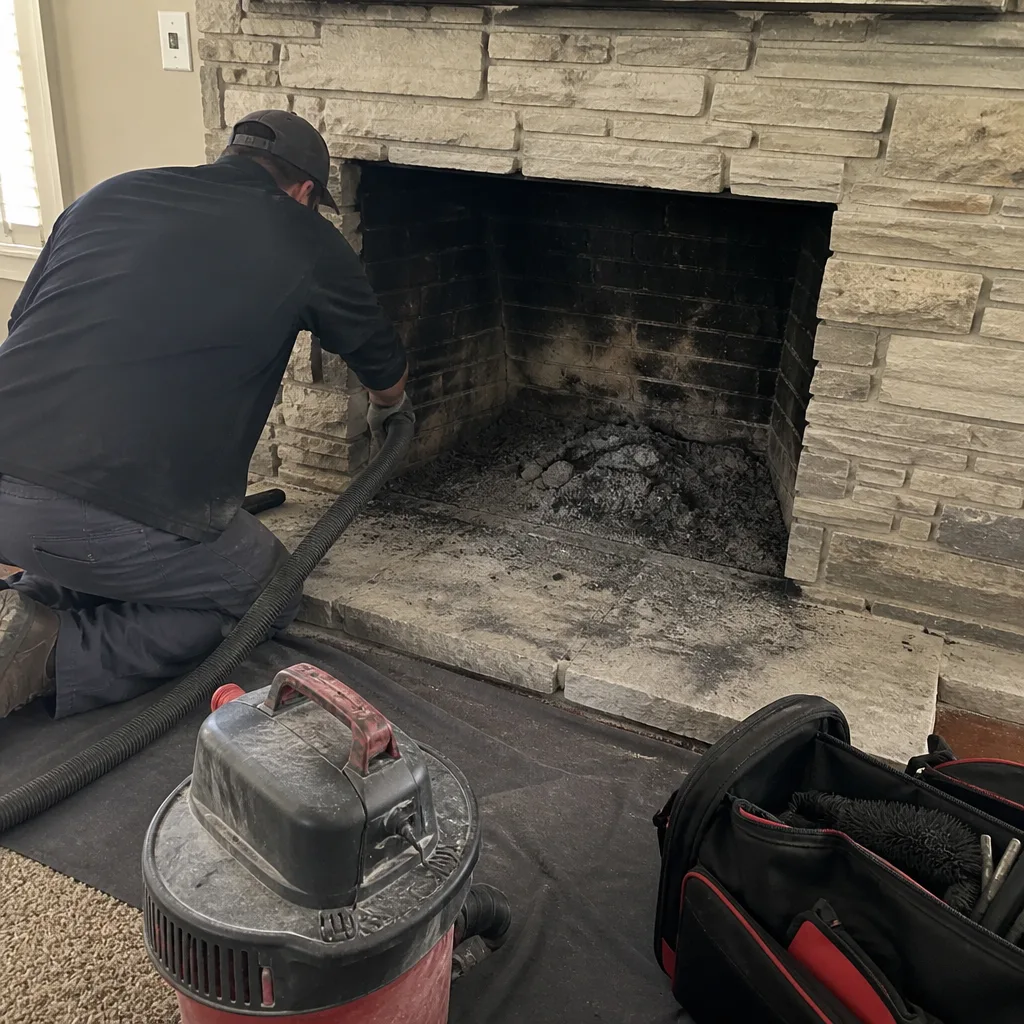
See the difference
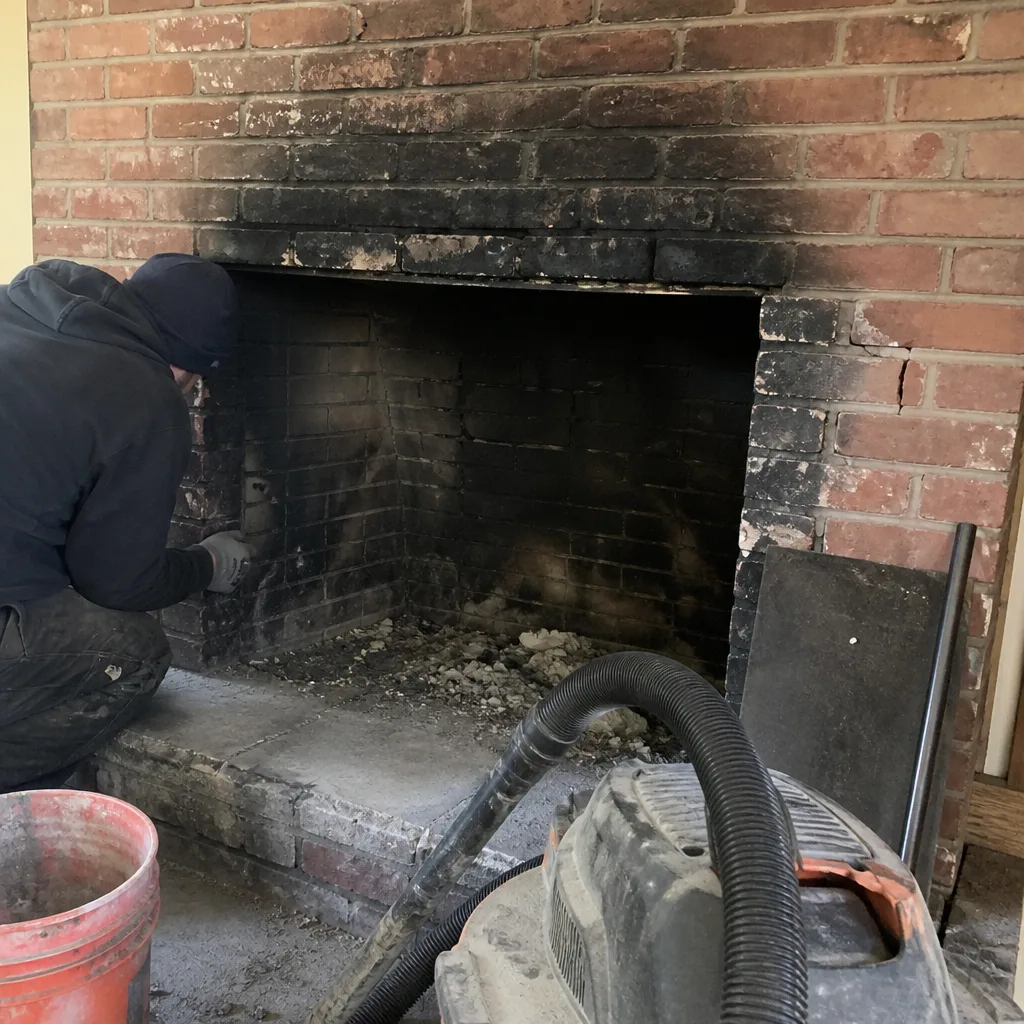 Before
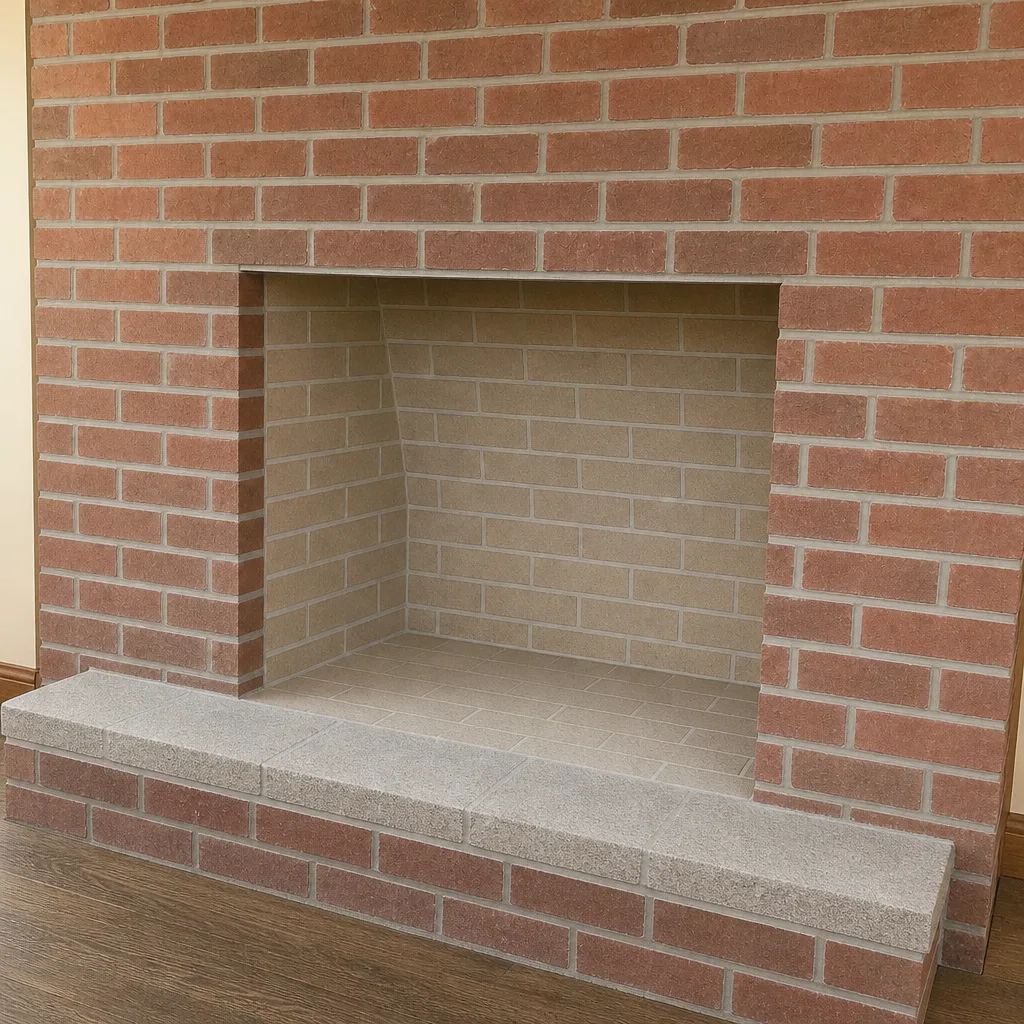 After
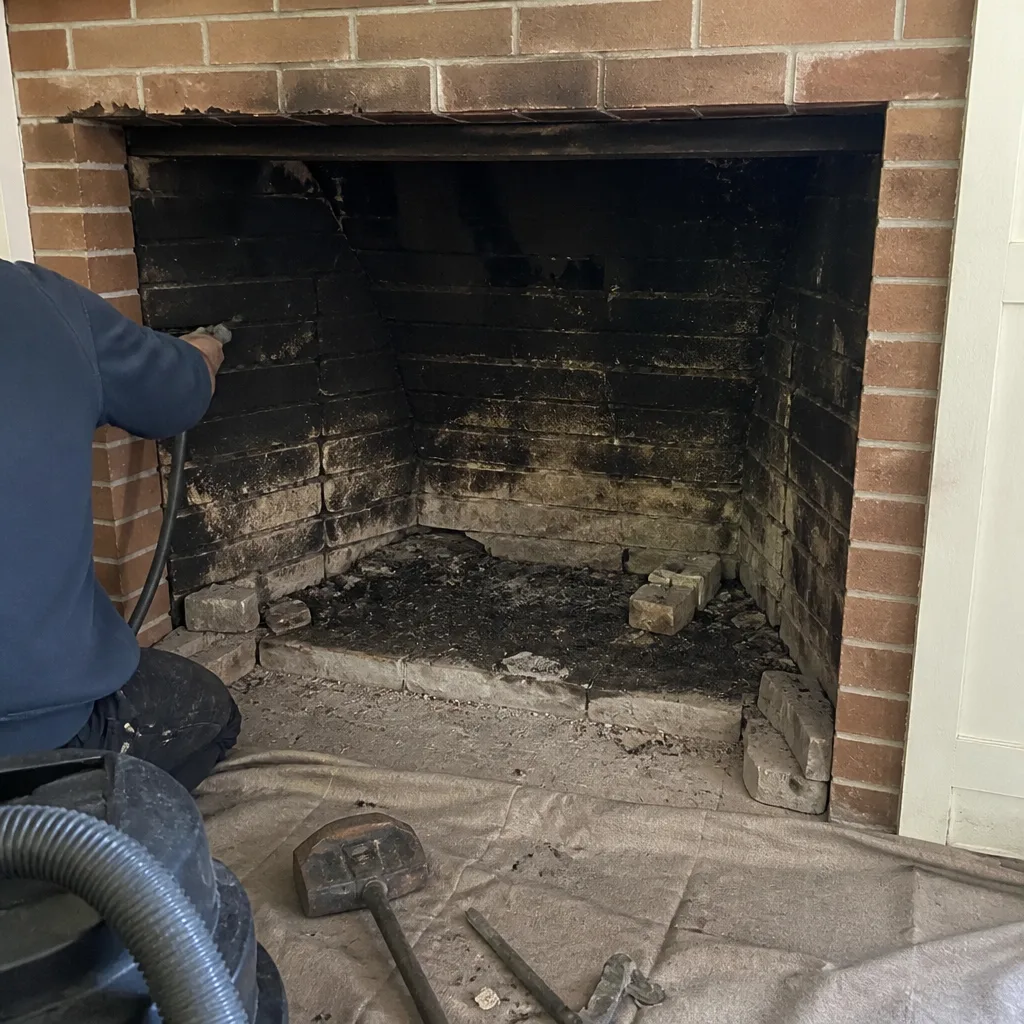 Before
 After
 Before
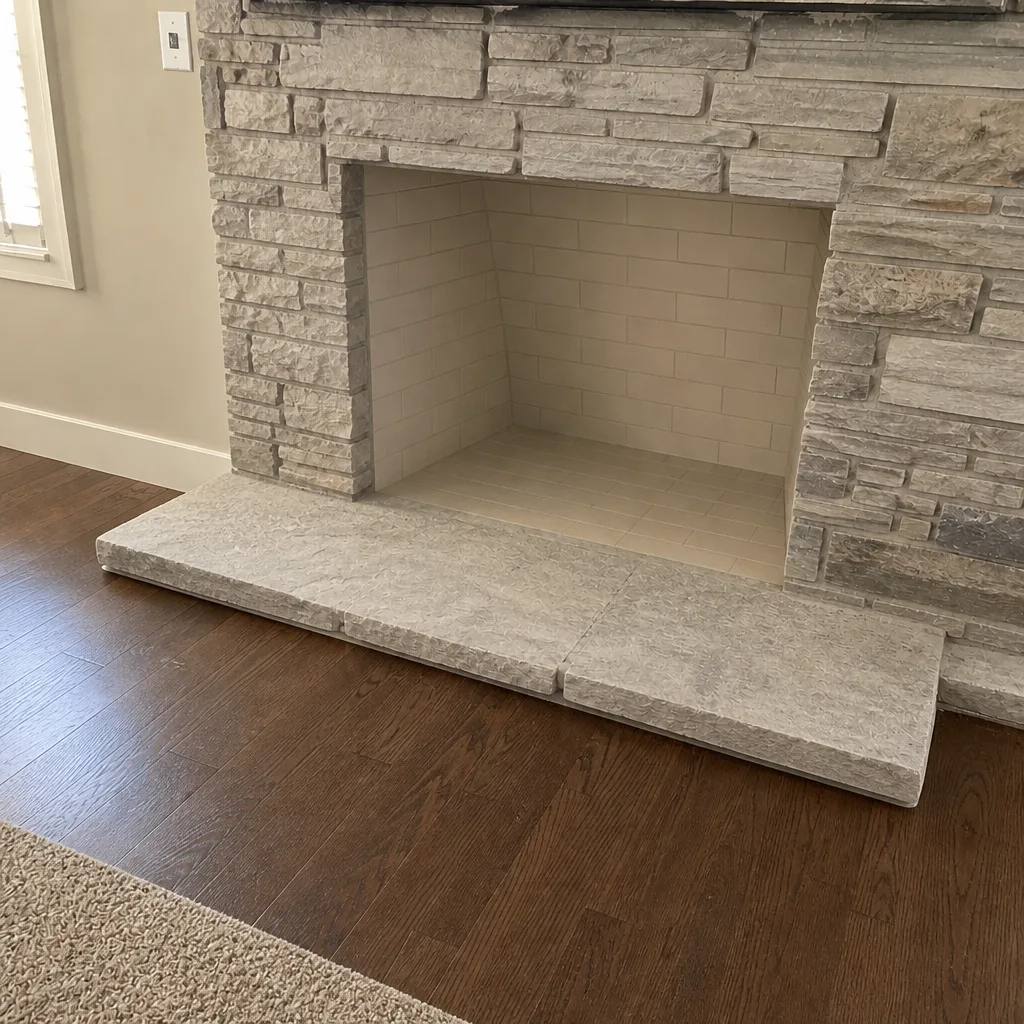 After
When to Call a Professional
Some situations call for a professional now rather than later. Call if you’ve never had the chimney in a home you just bought inspected, if you burn wood regularly and haven’t had a sweep in the past year, if you notice a strong creosote smell or soot falling into the firebox, or if you’ve had a chimney fire of any size. Call if the firebox or flue shows cracked masonry, damaged liner segments, or loose tiles. Call if your smoke drafts poorly or comes back into the room. And call if the dryer takes noticeably longer to dry clothes than it used to, which can indicate lint buildup in the vent. When in doubt, a level 2 inspection with camera documentation settles the question. Stellar Chimney Cleaning offers free estimates in Indianapolis. Call (888) 560-8179. We answer 24/7. Fast dispatch from 7am to 7pm, Sunday through Friday.
Frequently Asked Questions
Indiana does not require a state license to clean chimneys, so there is no government-issued credential to check. Instead, verify CSIA certification, NFI certification if you have a gas or wood appliance, and current liability insurance. Those three checks give you more protection than a state license would. Call (888) 560-8179 for an exact quote on a sweep or inspection.
The general standard is once a year for a chimney in regular use, and more often if you burn heavily or burn unseasoned wood. Indianapolis winters mean most fireplaces see real use, so an annual sweep and inspection is the reasonable baseline. If you’ve skipped a year, book before the next burning season. Call (888) 560-8179 for an exact quote.
A sweep cleans the flue and firebox; an inspection assesses the condition of the entire system and documents findings. A full service visit includes both. A level 2 inspection adds camera documentation of the flue interior, which is what you want before buying a house or after any chimney fire. Call (888) 560-8179 for an exact quote.
Not usually, and that’s the accountability gap that matters most. A sweep-only contractor typically refers liner or masonry work to a separate company, which leaves you comparing contractors and tracing responsibility if the repair fails. A full-system provider can sweep, diagnose, and repair in one relationship, using specified materials. Call (888) 560-8179 for an exact quote.
You should, and any contractor worth hiring will provide them. Camera inspection with photo documentation is the standard for a level 2 inspection, and it’s what lets you verify a repair recommendation instead of taking it on faith. Ask for the photos before authorizing any repair. Call (888) 560-8179 for an exact quote.
Compare itemized estimates against scope, not headline price. A quote should specify the repair, the material (a named product like DuraFlex or HeatShield, not “a good liner”), and the total price in a written estimate. The written estimate sets the final price per job. Call (888) 560-8179 for an exact quote, and the estimate is free.
The Bottom Line
Hiring a chimney contractor in Indianapolis comes down to verification, not trust. Check CSIA certification, confirm liability insurance in writing, and ask the five phone questions about inspection method, photo documentation, repair capability, and material specifications. A full-system specialist who can sweep, diagnose, and repair in one relationship closes the accountability gap that sweep-only contractors leave open. Compare quotes by scope, not headline price, and never authorize a repair you can’t see documented in photos. The right contractor will make that easy, and the wrong one will resist it. That difference is the whole guide in one sentence.
Stellar Chimney Cleaning handles all three service lines in-house: chimney sweeping, dryer vent cleaning, and chimney repair, using professional-grade materials from DuraFlex, HeatShield, Gelco, Famco, Copperfield, and Olympia Chimney. Our technicians have up to 8 years of experience. If you’re ready to book or need a free estimate, call (888) 560-8179. We answer 24/7. Fast dispatch from 7am to 7pm, Sunday through Friday.
Written by the team at Stellar Chimney Cleaning.