
Last updated November 14, 2026
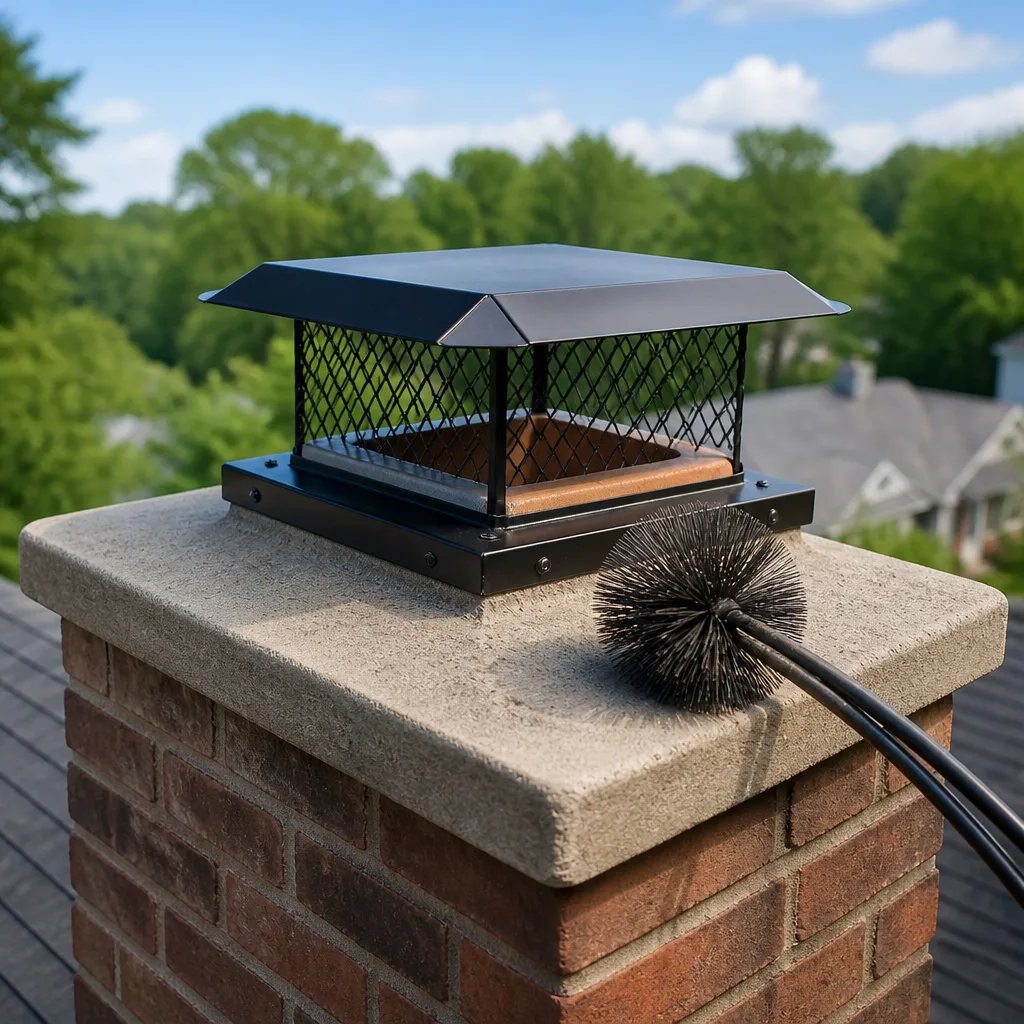 Sweep & inspection
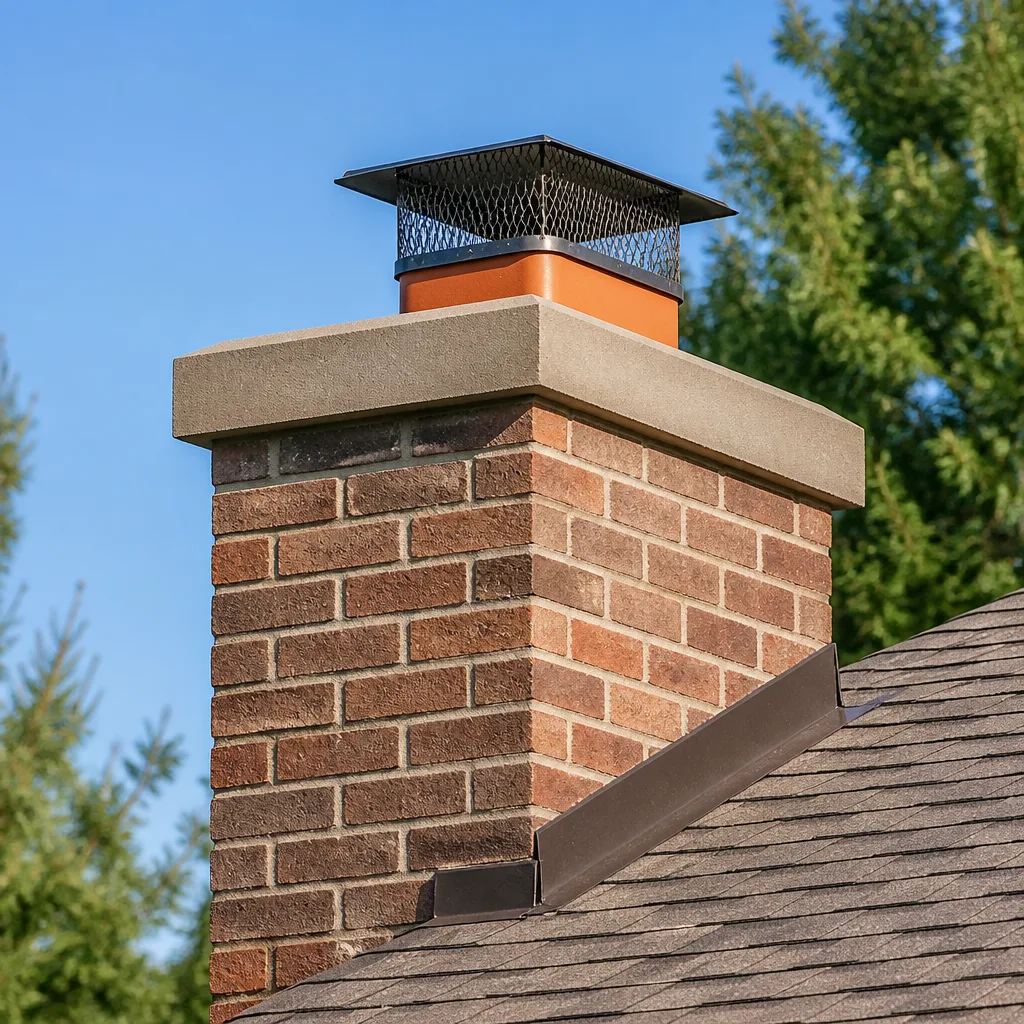 Caps & crowns
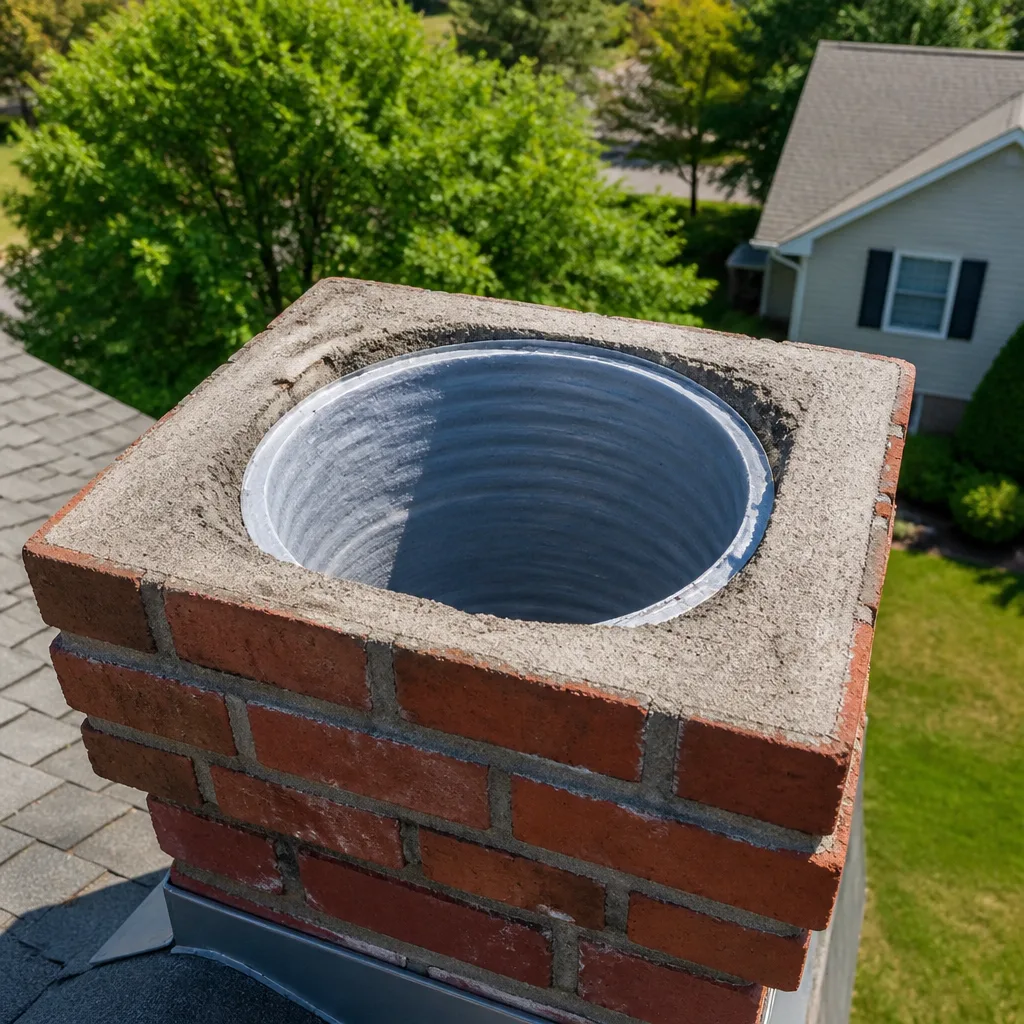 Flue relining
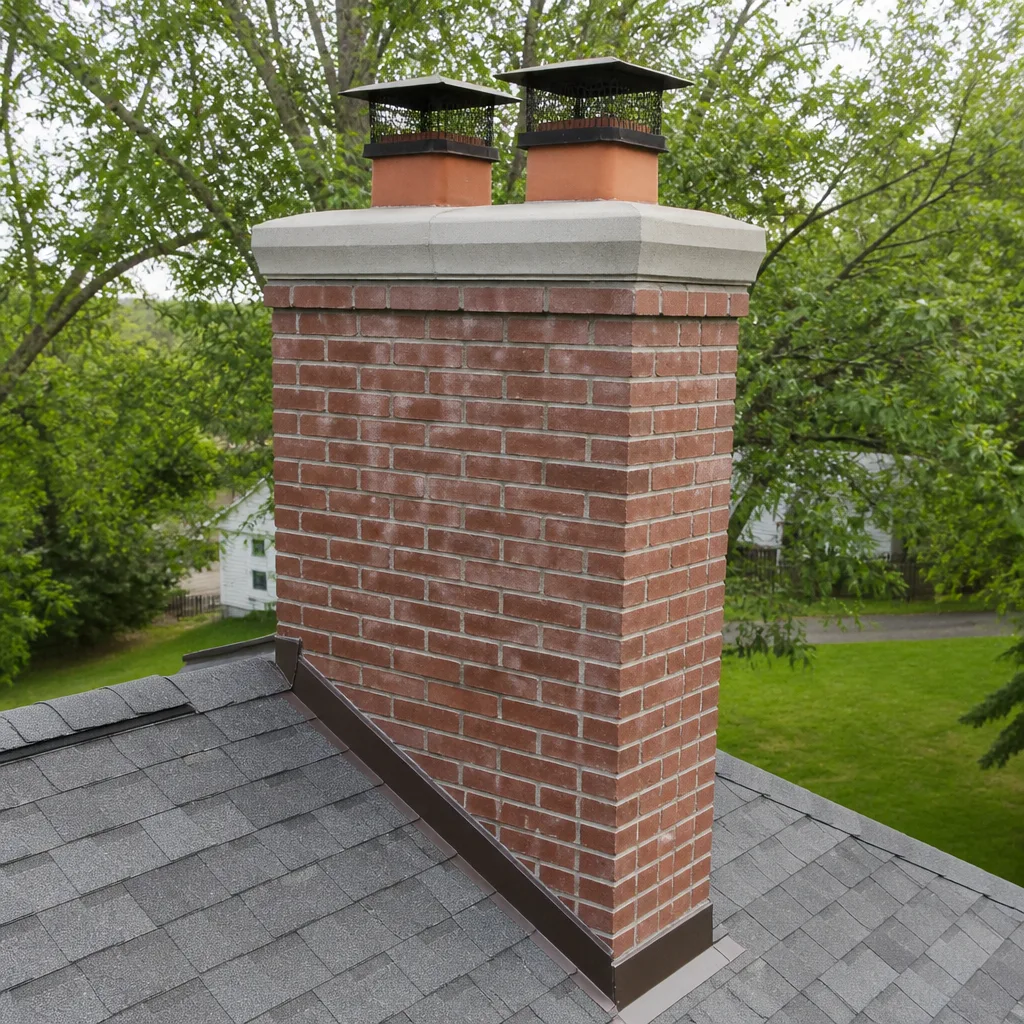 Masonry repair
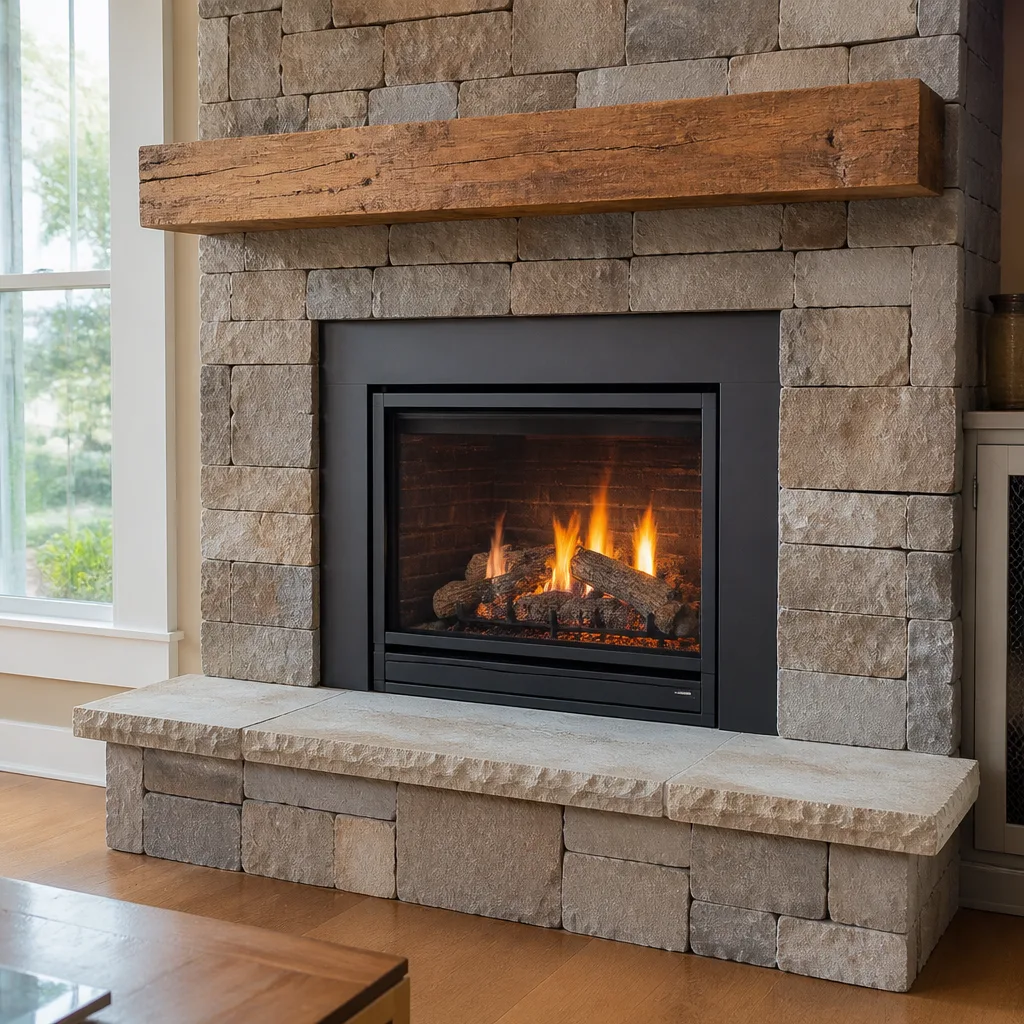 Gas fireplace service
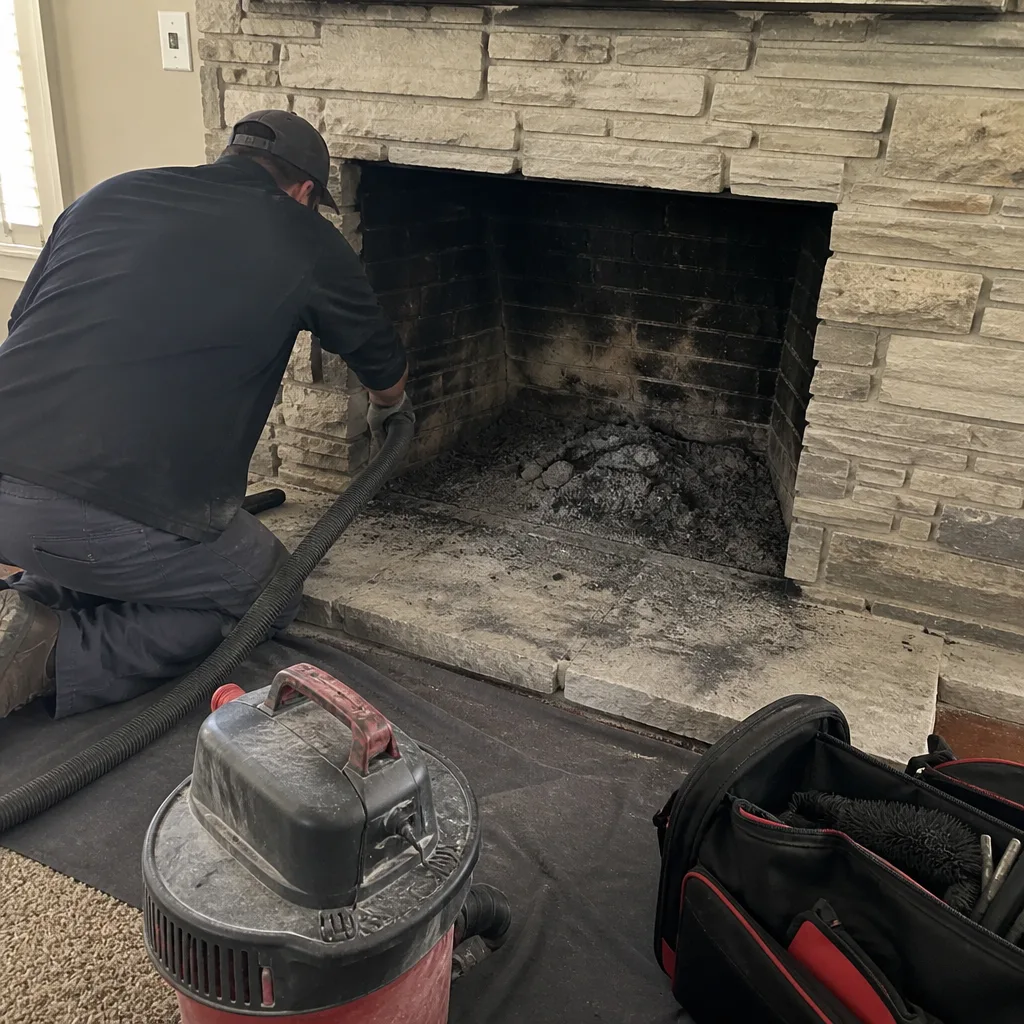
Level 1 sweep and inspection to the NFPA 211 annual standard - flue, crown, cap, and flashing checked and photographed
Chimney sweep logs do not sweep chimneys. They loosen some creosote - which then falls where a brush and vacuum still have to collect it.
DIY vs Professional Chimney Cleaning: The Indianapolis Homeowner’s Decision Guide
The consumer-grade chimney brush sold at any big-box store will remove light creosote from a straight flue. It just won’t tell you whether the liner behind that creosote has been cracking since the 2019 polar vortex, and that’s the part that actually matters. Most homeowners can physically push a brush up a chimney. What they can’t do is read what comes back down, judge a clay tile joint from the top of a ladder, or spot the early Stage 2 glazing that turns a routine sweep into a repair. In Indianapolis, where a large share of the housing stock predates modern liner standards, the gap between “clean” and “safe” is often the whole story. This guide draws the DIY line where it belongs: what you can honestly do yourself, what genuinely puts you at risk, and how the cost math works out when you’re deciding between a ladder and a booked professional sweep.
Styles & brands we work with
- Sweep & inspection
- Caps & crowns
- Flue relining
- Masonry repair
- Gas fireplace service
Quick Answer
A professional chimney cleaning in Indianapolis is worth it whenever your chimney is unlined, clay-tile-lined, venting a gas appliance, or hasn’t been inspected in a year or more, because the inspection that comes with the sweep is the real product. DIY sweeping makes sense only on a sound, straight, factory-built flue with light creosote and a recent professional inspection on record. For most pre-1980 Indianapolis homes, professional service is the safer and cheaper long-term choice.
Table of Contents
- What DIY Chimney Cleaning Can Legitimately Accomplish
- What Equipment a Homeowner Actually Needs
- When DIY Crosses From Suboptimal to Dangerous
- Indianapolis Housing Stock and Why It Matters
- The Cost Math: When DIY Saves and When It Delays
- What a Professional Sweep and Inspection Actually Involves
- The Honest Middle Path: What You Can Do Between Visits
- Common Mistakes to Avoid
- When to Call a Professional
- Frequently Asked Questions
What DIY Chimney Cleaning Can Legitimately Accomplish
Let’s be fair to the homeowner with a brush and a shop vac. There is real work a careful do-it-yourselfer can perform on the right chimney, and pretending otherwise doesn’t help anyone. On a straight, sound, factory-built fireplace flue that was professionally inspected within the last year, a homeowner can knock down light, flaky creosote (what the trade calls Stage 1) between pro visits. That’s it. That’s the honest scope.
Here’s what DIY sweeping can realistically do:
- Remove loose, flaky Stage 1 creosote from an accessible straight flue with a properly sized poly brush.
- Keep a clean-burning flue cleaner when a recent professional inspection confirmed the liner is intact.
- Clear light soot from a firebox and the smoke shelf area on a fireplace you can actually reach.
- Reduce odor between seasons on a chimney that’s already been verified safe.
What it cannot do is just as important. A brush doesn’t evaluate. It doesn’t tell you the difference between a hairline crack in a clay tile and a failed joint that’s letting heat into framing. It doesn’t check the crown, the flashing, the damper seal, or the top of the flue from above. And it never produces a record you can hand to a future buyer or an insurer. In our experience, the value of professional chimney sweep service in Indianapolis isn’t the brushing. It’s the diagnosis that comes with it. That distinction is the whole ballgame, and it’s the one the DIY aisle at the store never mentions.
What Equipment a Homeowner Actually Needs
If you’re going to sweep your own flue, do it with the right tools, not a wire brush duct-taped to a broom handle. The wrong equipment damages liners and leaves debris behind. Here’s the minimum kit for a legitimate DIY attempt on a sound factory-built system:
- A properly sized polypropylene brush. Match the brush to your flue’s interior dimensions. A brush that’s too large jams; too small skips the walls. Never use a wire brush on a metal liner.
- Rigid or semi-rigid rods long enough to reach the top of the flue, with secure threaded connections.
- A heavy-duty shop vac with a fine-particle filter rated for soot, plus a drop cloth and sealed plastic sheeting to contain dust.
- Safety glasses, a respirator rated for fine particulates, and gloves. Soot and creosote are not things you want in your lungs or on your skin.
- A bright, directed work light so you can actually see the flue walls, not just assume they’re clean.
- A ladder rated for the height and a stable footing if you plan to check the top, and a second person to spot you.
Two things this kit does not include, and shouldn’t pretend to: a camera system for inspecting the liner interior, and the training to interpret what a camera sees. Those are the gaps. The equipment list above lets a careful homeowner do a maintenance pass, not a safety evaluation. If your chimney is behind a wall, has an offset, or you’ve never had it looked at by a professional, the kit isn’t the answer. The call is. For the full picture of what professional-grade service looks like, see Stellar Chimney Cleaning.
When DIY Crosses From Suboptimal to Dangerous
There’s a line, and it’s brighter than most homeowners realize. On one side, DIY is merely incomplete. On the other, it’s genuinely hazardous, both to the person on the ladder and to the house. Here are the specific conditions that put you firmly on the dangerous side:
- Stage 2 or Stage 3 creosote. Stage 2 is glazed and tar-like; a brush skips right over it. Stage 3 is hardened and requires chemical treatment or mechanical removal by a trained technician. Brushing Stage 3 does nothing except give false confidence.
- Offset or angled flues. A brush on a straight rod can’t navigate a jog in the flue. It jams, bends, or leaves the far side of the offset untouched. Many older Indianapolis chimneys have exactly this geometry.
- Gas appliance venting. Gas flues produce acidic condensate and require specific venting configurations. Disturbing the liner or cap on a gas insert without knowing what you’re looking at can create a carbon monoxide path. This is not a DIY category.
- Any sign of liner damage. Cracked clay tiles, gaps at the joints, spalling, or a liner that’s pulling away from the chimney wall. Cleaning around damage without addressing it just delays the failure.
- An unlined chimney. If the flue has no liner at all, there’s nothing between hot gases and the masonry, and no brush is going to fix that. This needs a professional assessment before the next fire.
We want to be clear about the stakes without turning this into a scare piece. A chimney fire is a real risk when creosote builds up and isn’t removed, and carbon monoxide is a real risk when venting is compromised. Those are the reasons the trade exists. They’re also the reasons a brush alone isn’t a safety plan. If any of the conditions above describe your chimney, stop and call a professional.
Indianapolis Housing Stock and Why It Matters
Indianapolis isn’t a uniform market, and your chimney’s risk profile depends heavily on when your house was built. The city has a deep inventory of pre-1980 homes, and those homes are the ones where DIY sweeping is most likely to be a false economy. Here’s why the age of the house matters more than the age of the fireplace.
Homes built before roughly 1980 were commonly constructed with clay-tile liners, and some were built with no liner at all. Clay tile is durable but brittle. It cracks under thermal cycling, and Indianapolis gives chimneys plenty of that: hot summers, cold winters, and the freeze-thaw swings that come with them. A 2019-style polar vortex event is exactly the kind of stress that opens hairline cracks in clay tile that nobody notices until a camera goes in. When those cracks are present, creosote and moisture get behind the tile, and the damage compounds quietly.
Newer factory-built fireplace systems are a different story. They’re engineered with metal liners and specific clearances, and they’re far more forgiving of a homeowner’s maintenance pass. If you have a factory-built insert in a home built after the mid-1980s, and it’s been professionally inspected recently, DIY maintenance is a reasonable choice. If you have a pre-1980 home with clay tile and no recent inspection, it isn’t.
The neighborhoods tell the story too. Older housing in areas like Irvington, Fountain Square, and the near-east and near-south sides tends to carry the clay-tile and unlined-flue profile, while newer construction further out tends toward factory-built systems. Wherever you are in Indianapolis, the question to ask isn’t “can I sweep this?” It’s “has anyone looked at the liner?” Those are two very different questions, and only one of them has a safe answer.
The Cost Math: When DIY Saves and When It Delays
Here’s the honest split. DIY saves real money when it replaces a routine maintenance sweep on a chimney that was recently verified sound. It costs real money when it replaces a diagnosis, because the thing you don’t catch today is almost always more expensive to fix after a season of use. The math isn’t close in the second case.
Think about it in terms of what each path actually delivers:
- DIY on a verified-sound flue: you save the cost of a routine sweep and you keep the flue cleaner between professional visits. Legitimate savings.
- DIY on an uninspected flue: you spend an afternoon, you may remove light creosote, and you learn nothing about the liner. If there’s a cracked tile or a failed joint, you’ve deferred a repair that gets bigger every season.
- Professional sweep with inspection: you get the cleaning plus a camera-based look at the liner, crown, cap, and venting, with photos you can actually see. That’s a diagnosis, not just a sweep.
The repair side is where the delay really bites. A hairline liner crack caught early is a repair. Left through a few freeze-thaw cycles and a heating season, it can become a full liner job. That’s why we say the cost of a professional sweep is often the cheapest line item on the eventual bill, because it’s the one that catches the small stuff before it’s big. We don’t publish dollar figures here because the honest price depends on your specific chimney and the written estimate is what sets it, but the structure of the math holds: diagnosis is cheap, deferred diagnosis isn’t. If you want the full-service picture, the team at Stellar Chimney Cleaning can walk you through it.
What a Professional Sweep and Inspection Actually Involves
A professional visit is a sequence, not a single act, and knowing the sequence helps you judge whether you’re getting real service or a quick brush-and-go. Here’s how a proper sweep and inspection typically unfolds:
- Exterior and interior assessment. The technician checks the crown, flashing, cap, and the firebox, damper, and smoke chamber before any cleaning begins.
- Containment. Drop cloths and sealed sheeting go down to keep soot out of your living space.
- The sweep itself. The flue is brushed with correctly sized tools, and the debris is collected and removed, not left in the firebox.
- Camera inspection of the liner. A camera run through the flue shows the condition of the liner, the joints, and any blockages that brushing can’t reach.
- A photo report. You should see what the technician saw, so you can judge the findings yourself rather than take them on faith.
- Findings and recommendations. Anything that needs attention gets explained, with a clear distinction between what should be fixed now and what can safely wait.
That camera step is the difference between a sweep and a diagnosis, and it’s the reason DIY can’t substitute for professional service on an uninspected chimney. When repairs do surface, the work should use professional-grade materials, not generic substitutes. That means liner systems like DuraFlex, resurfacing options like HeatShield where a full liner replacement isn’t necessary, and caps and venting components from makers like Gelco and Olympia Chimney. For a closer look at what a full-service visit covers, see chimney sweep.
The Honest Middle Path: What You Can Do Between Visits
You don’t have to choose between doing everything yourself and doing nothing. There’s a genuine middle path that extends your service intervals without taking on risky work, and it’s the one we’d recommend to most Indianapolis homeowners. The idea is simple: you handle the low-risk maintenance, and the professional handles the diagnosis.
Here’s what that looks like in practice:
- Burn seasoned, dry wood. Wet wood produces more creosote. Seasoned firewood burns hotter and cleaner, which slows buildup between sweeps.
- Avoid smoldering fires. A choked, smoky fire deposits more creosote than a hot one. Give the fire enough air to burn cleanly.
- Keep the firebox and ash pit clear of excess ash and debris so airflow stays correct.
- Check the cap and the crown visually from the ground a couple of times a year. Look for obvious damage, nesting, or debris, and call if something looks off. Don’t climb up to fix it yourself.
- Run the dryer vent check alongside your chimney routine. Your dryer vent is a chimney too, in the sense that it carries hot exhaust and lint that can ignite. It deserves the same attention, and dryer vent cleaning is a core part of the full household exhaust picture.
- Book a professional sweep on a schedule rather than waiting for a problem. A year or two between visits, depending on use, keeps the diagnosis current.
None of this replaces the inspection. It just means you’re not relying on the inspection to catch everything, because you’ve kept the flue cleaner in between. That’s the balance we recommend to most homeowners: do the safe maintenance, let the professional do the looking.
Common Mistakes to Avoid
- Assuming a clean-looking flue is a safe one. Creosote can glaze the walls while the firebox looks spotless. The only way to know is to look at the liner, and that means a camera.
- Using a wire brush on a metal liner. It scores the metal and can shorten the liner’s life. Poly brushes are the right tool, and the wrong one does real damage.
- Sweeping a pre-1980 Indianapolis chimney without an inspection first. On older clay-tile or unlined flues, the risk is in the liner, not the creosote. Sweep first and you’ve cleaned around the problem.
- Ignoring the dryer vent. The lint that builds up in a dryer duct is highly flammable, and it’s the household exhaust system most people never think about. It deserves the same attention as the fireplace flue.
- Treating a gas insert like a wood flue. Gas venting is a different system with different risks, including carbon monoxide. Don’t brush or cap it without professional guidance.
- Waiting for a problem before booking a sweep. A professional visit catches small issues before they become repairs. Waiting until something smells wrong or drafts poorly usually means the repair is already larger.
- Believing a sweep report that leaves you hunting for a second company. If a sweep turns up repairs, you should be able to get them handled by the same people who found them, not start over with a new search.
When to Call a Professional
Some situations call for a professional, full stop. Call if your chimney is unlined, has clay tile and hasn’t been inspected recently, shows any sign of liner damage, vents a gas appliance, has an offset flue, or shows glazed or hardened creosote. Call if you smell creosote in the house, if the fireplace drafts poorly, if you see staining on the exterior masonry, or if it’s simply been more than a year or two since anyone looked at it. And call if you’re not sure, because the whole point of an inspection is to answer the question you can’t answer from the ground. Stellar Chimney Cleaning offers free estimates in Indianapolis. Call (888) 560-8179 to book a visit.
Frequently Asked Questions
Most chimneys should be swept and inspected once a year if you burn regularly, and at least every other year even with light use. Indianapolis’s freeze-thaw winters are hard on clay tile and masonry, so an annual look at the liner is the safer schedule. Call (888) 560-8179 for an exact quote, and estimates are free.
Yes, in limited circumstances: a straight, sound, factory-built flue that was professionally inspected within the last year is a reasonable candidate for DIY maintenance between visits. If it hasn’t been inspected, or if the flue is offset or shows any damage, leave it to a professional. Call (888) 560-8179 to book an inspection.
The difference is the diagnosis. A DIY brush removes light creosote; a professional sweep adds a camera inspection of the liner, crown, cap, and venting, plus a photo report you can review yourself. You get an answer, not just a clean flue. Call (888) 560-8179 to schedule one.
You need a new liner only if the liner is genuinely damaged, and you shouldn’t take anyone’s word for it without seeing the evidence. Ask for the camera photos and a clear explanation of what’s wrong and why repair versus replacement is the right call. We don’t recommend liner work without camera evidence you can look at yourself. Call (888) 560-8179 to book an inspection with a report.
Creosote keeps building, and glazed creosote is a chimney-fire risk. Separately, small liner cracks and failed joints get worse through freeze-thaw cycles, so a repair that would have been minor becomes a bigger job. Skipping is how a routine sweep turns into a larger repair. Call (888) 560-8179 for a free estimate before the heating season.
Yes. We treat dryer vent cleaning as part of the full household exhaust picture, because lint buildup in a dryer duct carries the same kind of fire risk as a dirty flue. It’s a core service alongside chimney sweeping and chimney repair. Call (888) 560-8179 to book a dryer vent cleaning.
The Bottom Line
DIY chimney cleaning has a real but narrow place. On a sound, straight, recently inspected factory-built flue, a careful homeowner can do maintenance between professional visits and save money doing it. On a pre-1980 Indianapolis chimney with clay tile or no liner, DIY is a false economy, because the brush can’t tell you what the liner looks like, and the liner is where the risk lives. The professional sweep exists to deliver a diagnosis, not just a cleaning, and in a city with this much older housing stock, that diagnosis is the cheapest part of the whole equation. Clean it, inspect it, fix it, and let the camera do the looking.
Written by the team at Stellar Chimney Cleaning.
Call (888) 560-8179. We answer 24/7. Fast dispatch from 7am to 7pm, Sunday through Friday. Estimates are free.
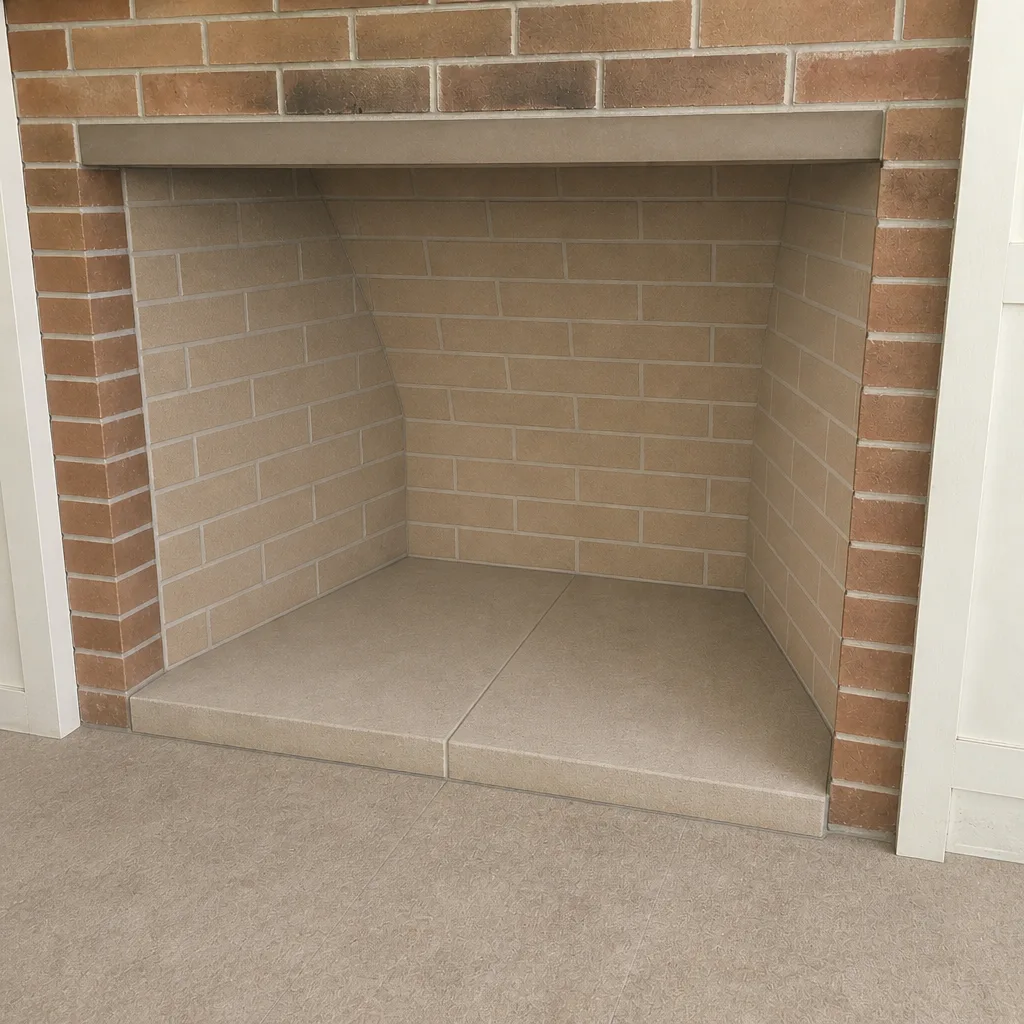
See the difference
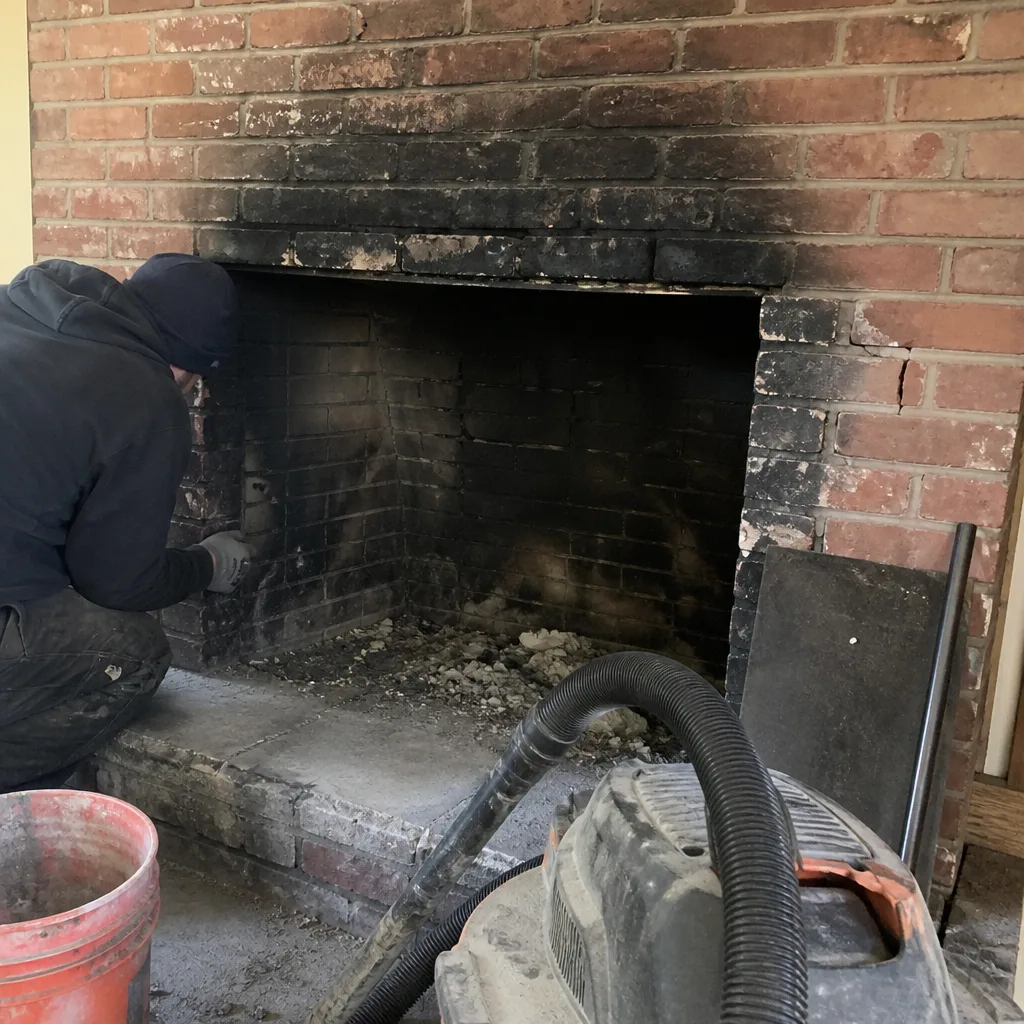 Before
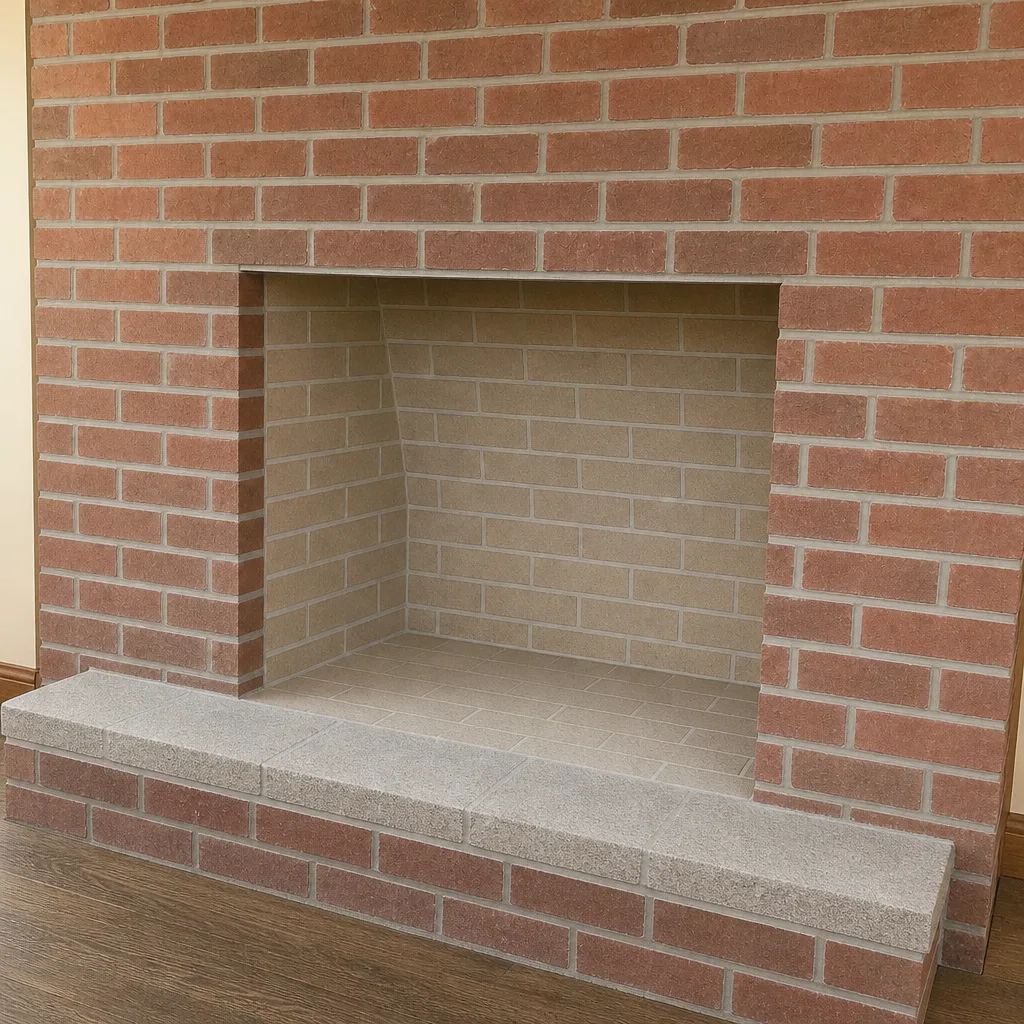 After
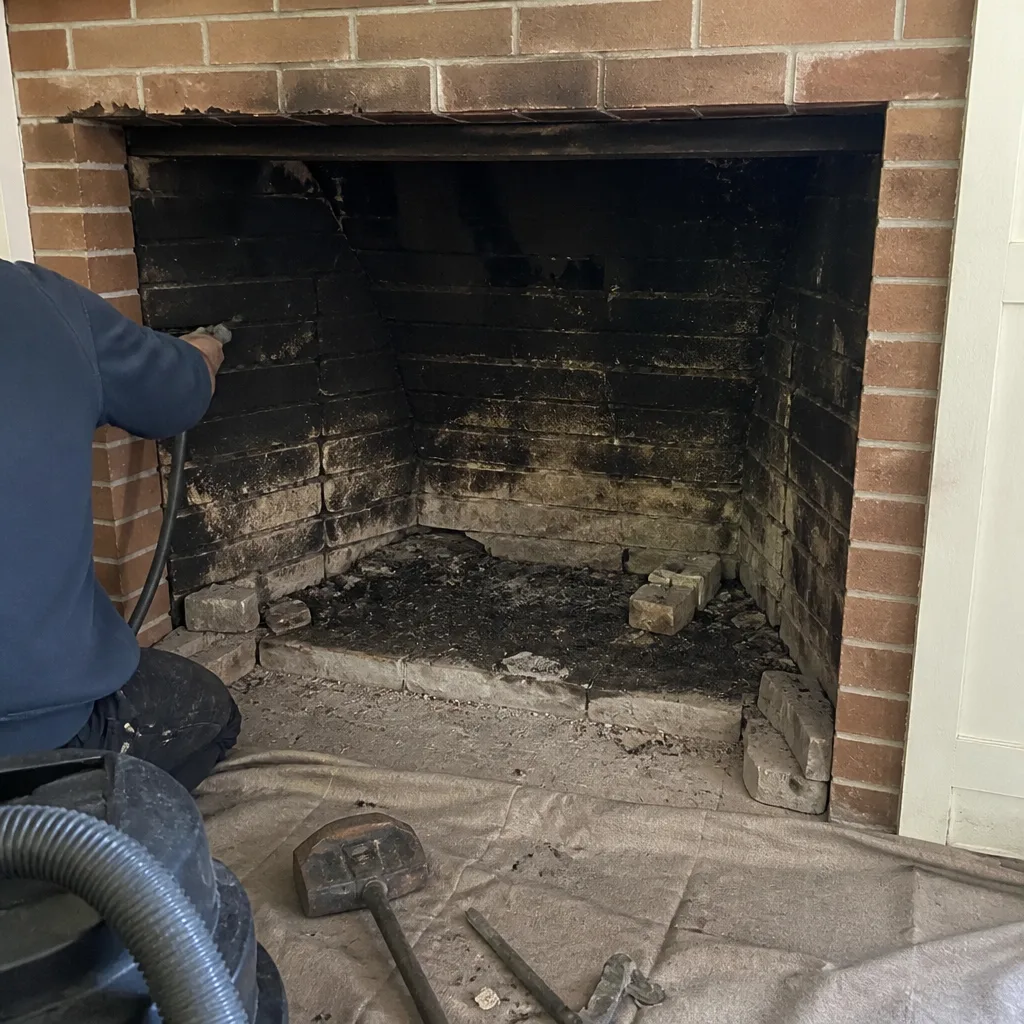 Before
 After
 Before
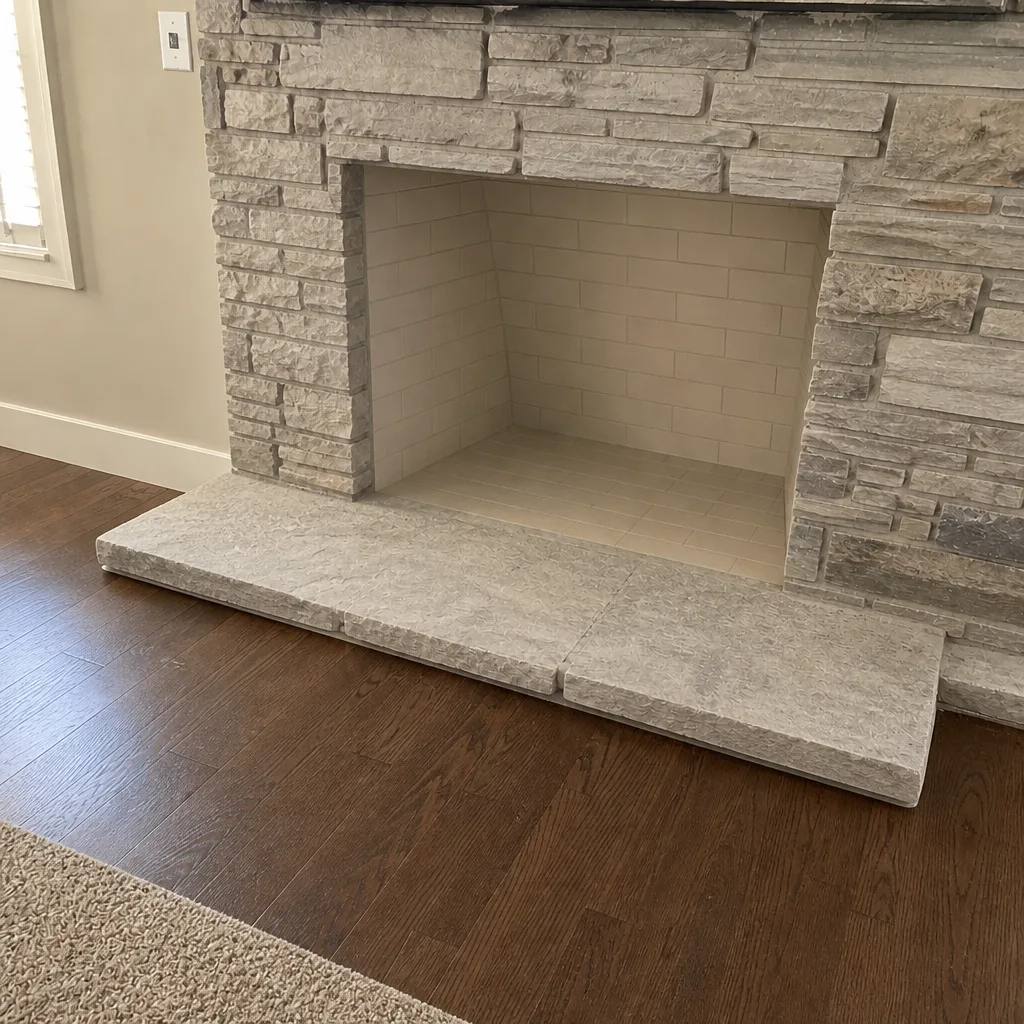 After