
Last updated November 14, 2026
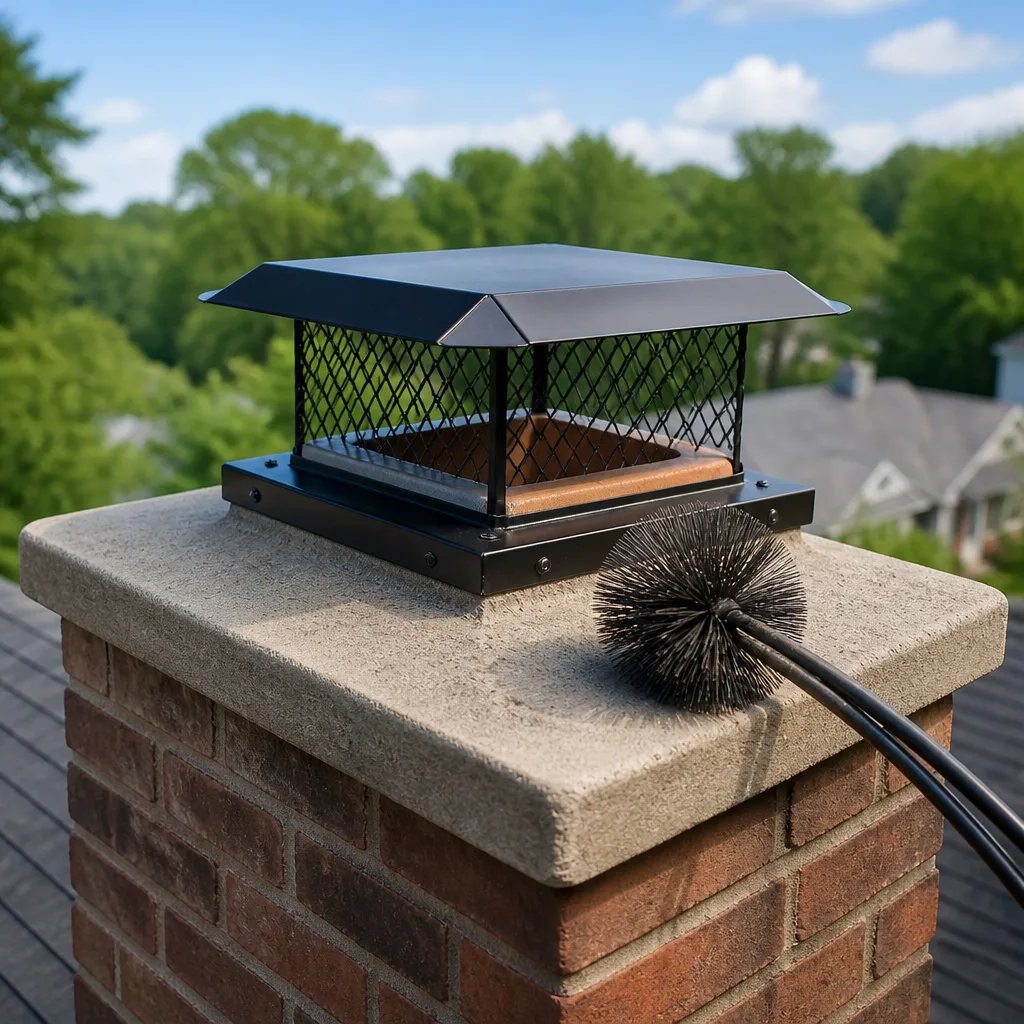 Sweep & inspection
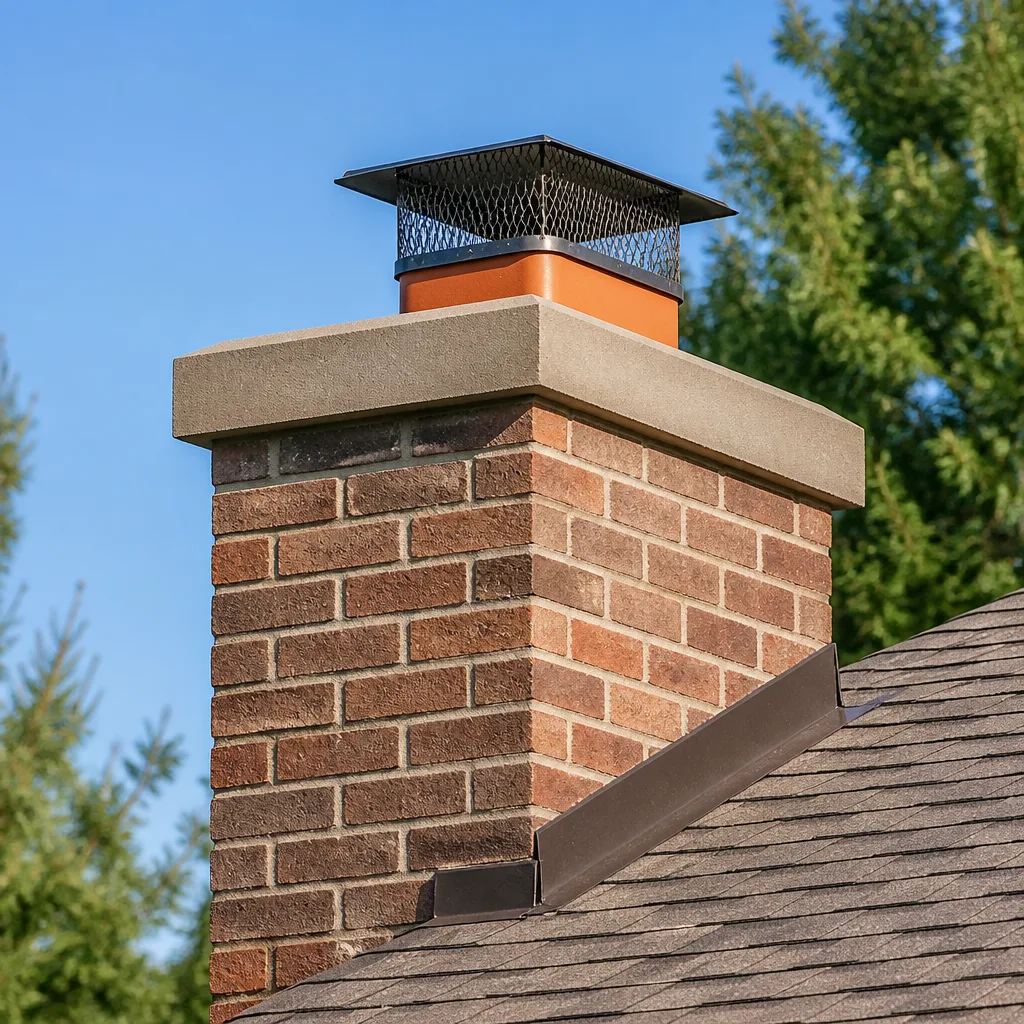 Caps & crowns
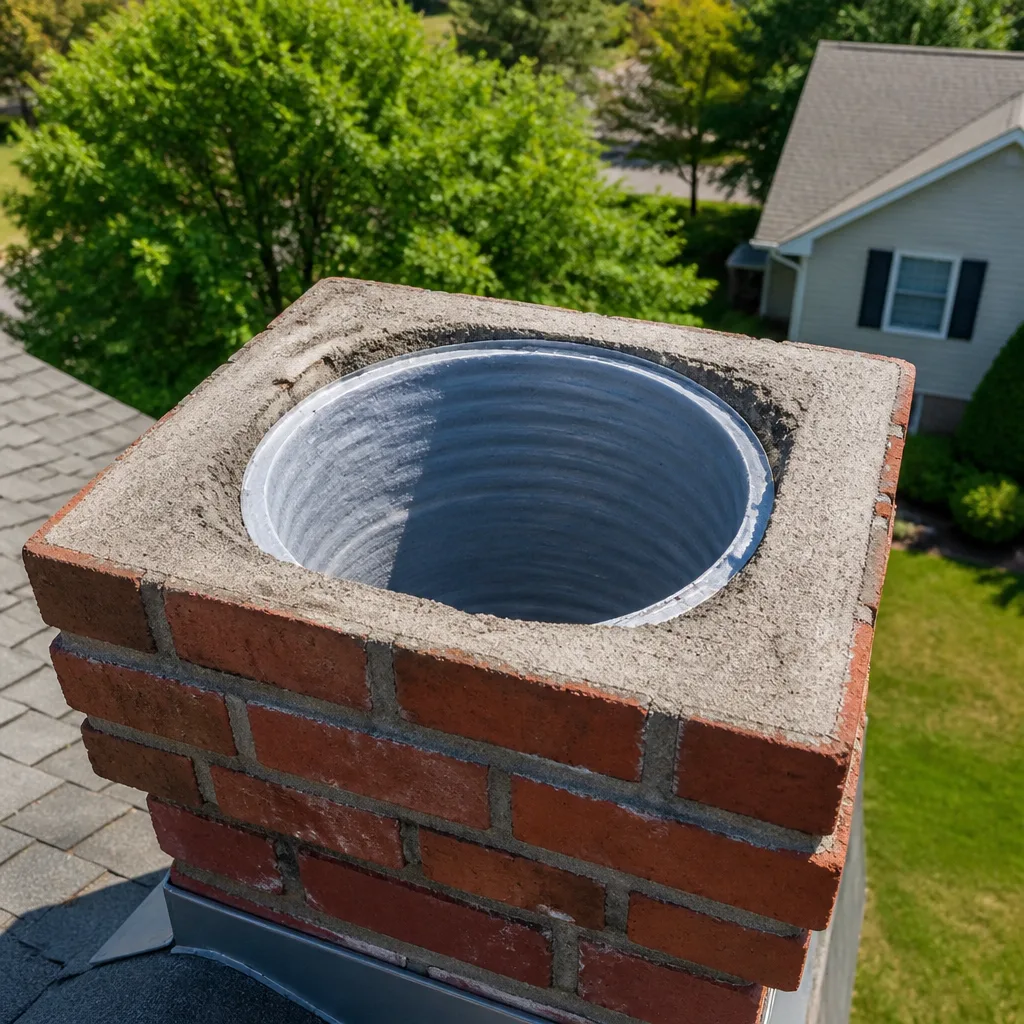 Flue relining
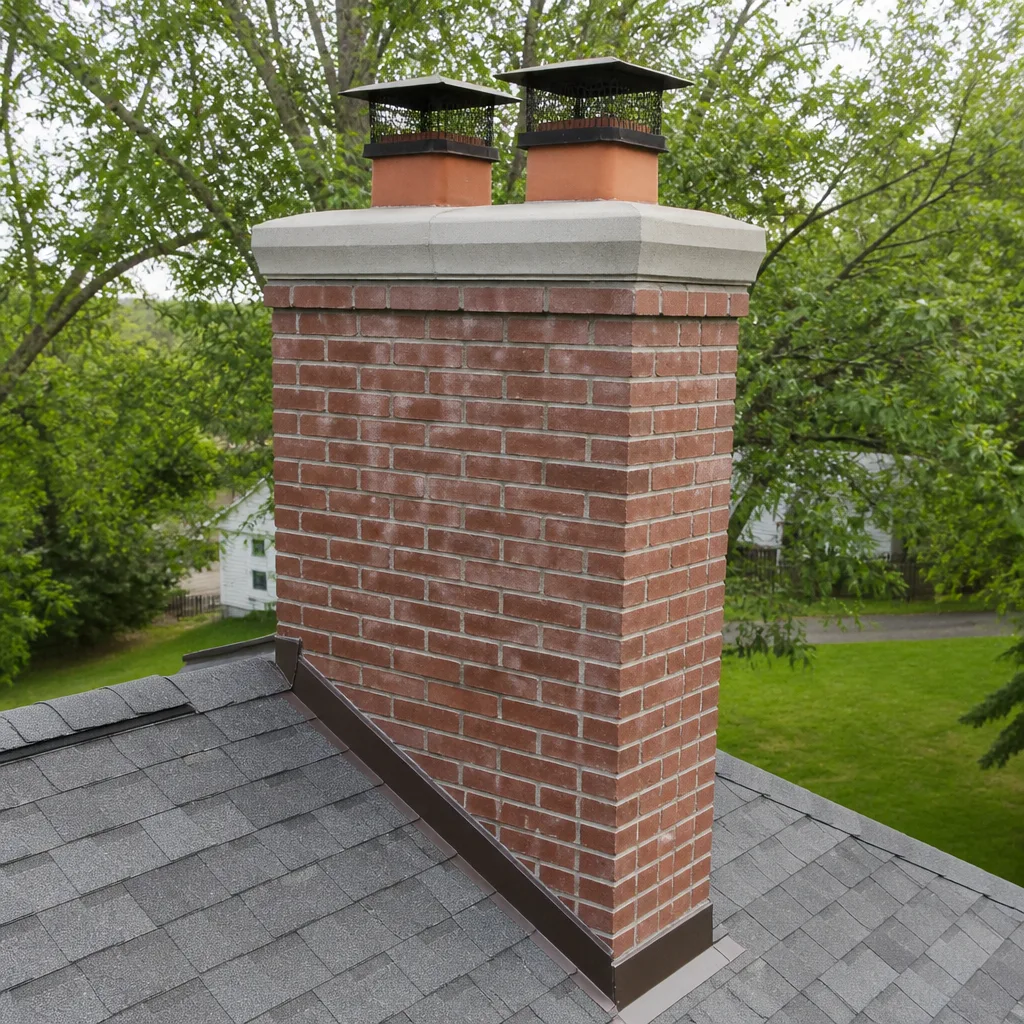 Masonry repair
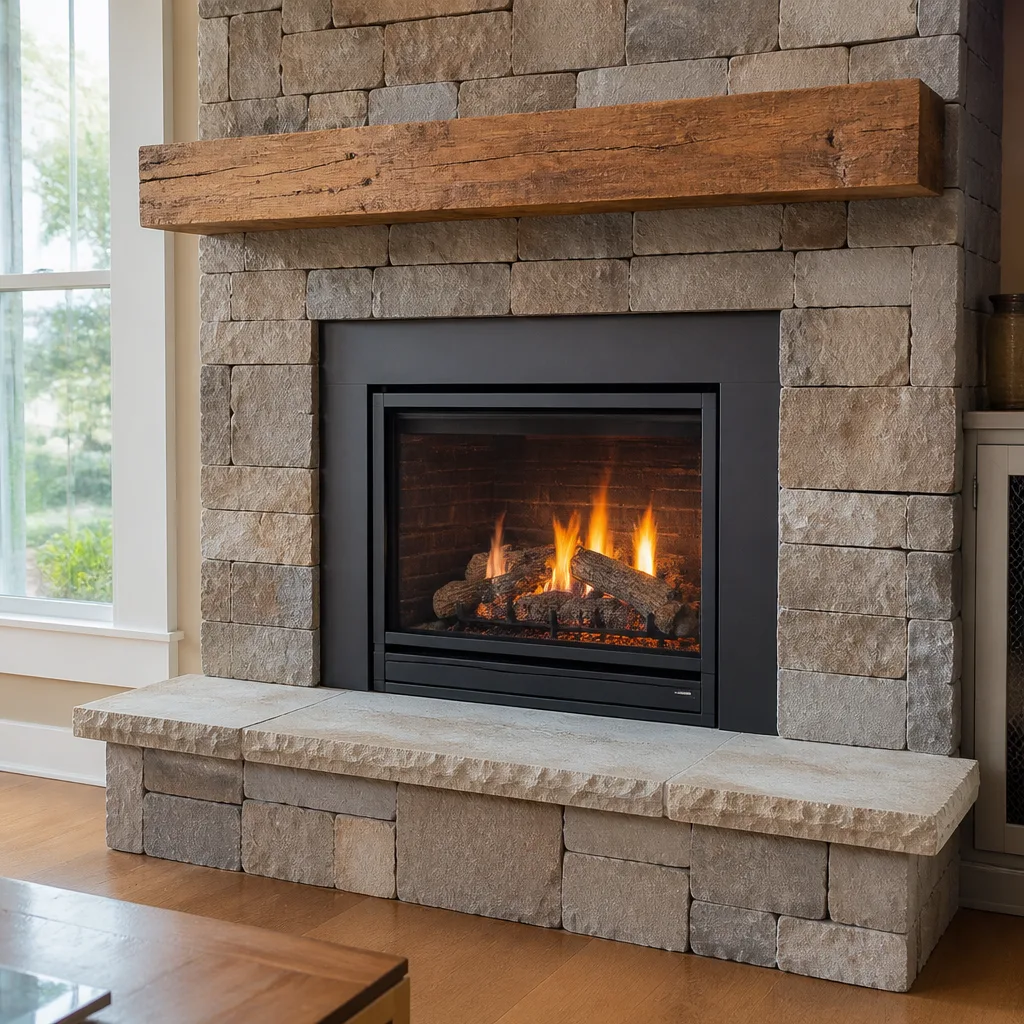 Gas fireplace service
Level 1 sweep and inspection to the NFPA 211 annual standard - flue, crown, cap, and flashing checked and photographed
Chimney sweep logs do not sweep chimneys. They loosen some creosote - which then falls where a brush and vacuum still have to collect it.
The Complete Guide to Chimney Cleaning in Indianapolis
Most Indianapolis homeowners schedule a chimney sweep and assume the job is done. The sweep clears creosote, but it leaves the three other failure points in your chimney completely untouched: cracks in the liner, deteriorated mortar joints, and a cap damaged by winter ice. You can’t see any of them from the living room, which is exactly why they get missed. A chimney is a system with several parts that fail on their own schedules, and in central Indiana those schedules run faster than the national average. This guide walks through what actually goes wrong in Indianapolis homes, how inspections differ, and what a real full-system visit should include.
Quick Answer
Chimney cleaning in Indianapolis removes creosote from the flue, but a proper visit also includes a camera inspection of the liner, a check of the mortar joints, chimney cap and crown, and an evaluation of the smoke chamber. Plan on a sweep once a year if you burn wood regularly, and book an inspection at least once a year even if you only light the fireplace a handful of times. Cleaning without inspection only handles a quarter of the problem.
Styles & brands we work with
- Sweep & inspection
- Caps & crowns
- Flue relining
- Masonry repair
- Gas fireplace service
Table of Contents
- Why an Indianapolis Chimney Is a System, Not Just a Flue
- How Freeze-Thaw Cycles Hurt Indianapolis Chimneys
- Clay Soil, Settlement, and Older Indianapolis Neighborhoods
- Level 1, 2, and 3 Inspections: Which One You Need
- Wood, Gas Insert, or Pellet Stove: Why the Protocol Changes
- What a Full-System Chimney Visit Should Include
- Your Dryer Vent Is a Chimney Too
- What Chimney Cleaning Costs in Indianapolis
Why an Indianapolis Chimney Is a System, Not Just a Flue
A chimney does one visible job, moving smoke out of the house, and several invisible ones at the same time. The flue carries the smoke. The liner protects the masonry from heat and acidic moisture. The mortar joints hold the whole stack together. The crown sheds water away from the top. The cap keeps rain, snow and animals out. All of them fail independently, and a flue brush never touches most of them.
In our experience, the most common gap on an Indianapolis chimney isn’t creosote. It’s a homeowner who has been diligent about sweeping but hasn’t had the liner or the mortar looked at with a camera in years. When we arrive for a chimney sweep, we treat it as the entry point into the whole system: clean the flue, then inspect the parts that sweeping can’t reach.
There are four main failure points to keep in mind:
- Creosote buildup in the flue, which sweeping handles.
- Liner cracks or gaps, which allow heat and gases into the masonry.
- Mortar joint deterioration, which weakens the structural stack over time.
- Cap and crown damage, usually from winter freezing and thawing, which lets water in from the top.
A visit that only handles the first point leaves the other three to keep worsening unobserved. That’s not an upsell argument, it’s simply how the components age.
How Freeze-Thaw Cycles Hurt Indianapolis Chimneys
Central Indiana sees a lot of freeze-thaw cycling through the winter. Freeze-thaw happens when daytime temperatures climb above freezing and nighttime temperatures drop below it again, and the sharper the swing the harder it is on a chimney. In an Indianapolis winter this happens repeatedly, week after week, and that repetition is what damages masonry and liners over time.
Here’s what the cycle actually does. Moisture from the air, from snow sitting on the crown, and from rain soaks into the porous clay and brick. When the temperature drops, that moisture freezes and expands. Water expands when it turns to ice, and the expansion pushes against the surrounding material. When it thaws, the material stays slightly pushed apart. Do that dozens of times in a season and small hairline cracks open into wider ones. A crown that had a hairline fracture in November can be leaking steadily by February.
The liner experiences the same stress. Older clay tile liners, which many Indianapolis homes still have, are prone to hairline cracking from repeated expansion and contraction. A cracked liner lets heat and exhaust gases reach the masonry and, in some cases, the wood framing in the chimney chase. That’s the failure point a brush cannot fix.
A camera inspection in the fall or early winter, before the burning season really gets going, catches these cracks before they widen. If the liner has minor cracking and the structure is otherwise sound, HeatShield ceramic resurfacing can restore a degraded flue liner from the inside, which is often less expensive than a full liner replacement. When the liner needs replacing outright, we use DuraFlex liner systems. Both are professional-grade materials, not big-box substitutes. Get an inspection done before the first hard freeze of the year, and you’ll know exactly what shape the liner and crown are in going into the winter.
Clay Soil, Settlement, and Older Indianapolis Neighborhoods
Much of central Indiana sits on heavy clay soil. Clay shrinks when it’s dry and swells when it’s wet, and it expands and contracts enough over the seasons to shift foundations and footings slightly. That’s why cracks show up in driveways and basement walls across Indy. Your chimney foundation is subject to the same movement.
In older neighborhoods like Indianapolis‘s Broad Ripple, Irvington and Meridian-Kessler, the housing stock dates from the 1920s through the 1950s. Chimneys from that era were commonly built with brick and clay tile and set on shallow footings by today’s standards. When the clay soil beneath them moves, the chimney stack can shift slightly, and mortar joints take the stress. Over the decades, those joints open up, and once water gets into an open mortar joint through freeze-thaw, deterioration speeds up.
What does this look like from the ground? Watch for:
- White chalky staining on the brick (efflorescence), which suggests water is passing through the masonry.
- Crumbling or receding mortar between bricks, especially in the upper sections.
- A chimney that leans noticeably to one side.
- Mortar crumbs or flakes on the roof or in the attic near the chase.
A sweep won’t address any of this. Repairing mortar joints and re-flashing at the roofline does. That’s why we handle chimney repair alongside routine cleaning: one call covers the whole system, and small structural issues get fixed before they turn into a rebuild.
Level 1, 2, and 3 Inspections: Which One You Need
Not every inspection is the same. The chimney industry defines three levels, and each applies to different situations. Knowing which one you need keeps you from paying for work you don’t require and from missing something you do.
Level 1 Inspection
A Level 1 inspection is the standard annual check. The technician examines readily accessible parts of the chimney, including the firebox, damper, flue, and any visible portions of the exterior, without any special tools or opening up the structure. If you’ve been using the same appliance regularly and nothing has changed, a Level 1 inspection tags along with your annual sweep.
Level 2 Inspection
A Level 2 inspection goes deeper. It includes everything in a Level 1, plus a camera inspection of the flue and examination of the accessible portions of the chimney and connected appliance in more detail. A Level 2 inspection is called for when:
- You’re buying or selling a home (most sale contracts now require a chimney inspection).
- You’ve changed the appliance, fuel type, or made any change to the venting system.
- You’ve had a chimney fire or a significant event that may have damaged the chimney.
- The property has changed ownership or occupancy.
- You’re renovating and the chimney may be affected by the work.
Level 3 Inspection
A Level 3 inspection is called only when a Level 1 or 2 reveals something that can’t be evaluated without opening up parts of the structure, like removing wall sections or opening a chimney chase. It’s uncommon but necessary when an issue suspected in a lower-level inspection needs confirmation. During a typical Indianapolis home sale or renovation, a Level 2 is nearly always the right level, and it’s the one that catches the liner and mortar issues a general home inspector won’t catch.
Wood, Gas Insert, or Pellet Stove: Why the Protocol Changes
A wood-burning fireplace, a gas insert, and a pellet stove are three different appliances that happen to vent through the same kind of chimney. They produce different exhaust, they fail differently, and they require different cleaning procedures. It isn’t enough to run a brush through all of them.
Wood-Burning Fireplaces and Wood Stoves
A wood-burning fireplace produces creosote and soot. Creosote is a tar-like residue that forms when smoke cools before it leaves the flue. Glazed creosote, the hardest grade, needs chemical treatment and re-inspection before it can be brushed safely. Sweeping frequency depends on burning volume and habits, but frequent burners should be inspected annually, and hard-burners should be swept at that same cadence.
Gas Inserts
Gas inserts produce minimal creosote, but they still need an inspection. That’s because gas-burning can create mild acidic condensate, and because gas appliances depend on proper venting and drafting. A cracked liner can allow carbon monoxide to enter the home rather than the outdoors. Gas appliances also have their own venting requirements, and a professional cleaning covers venting check and safety verification rather than just removing residues.
Pellet Stoves
Pellet stoves burn fuel that’s fairly clean and produce less creosote than wood, but they generate more ash and fine fly-ash. That ash can build up in the flue and reduce draft. Pellet stoves also often have a clean-out tee and a venting layout that differs from a traditional fireplace flue, so the brush and cleaning approach has to match the appliance.
Always tell us what you’re running before we book you. Cleaning a gas insert with a wood-fireplace protocol, or vice versa, doesn’t just waste the visit, it can miss the specific hazard.
What a Full-System Chimney Visit Should Include
A proper chimney visit covers more than the sweep. When we clean a chimney in Indianapolis, we’re also checking the parts that fail quietly. Here’s what should be on the checklist for every visit:
- Sweep the flue. Remove soot, creosote, and debris using the appropriate brush for your liner material and size.
- Camera inspection of the liner. A camera goes up the flue to look for cracks, gaps, missing mortar between tiles, and glazed creosote that needs separate treatment.
- Evaluate the smoke chamber. The smoke chamber above the damper is a common source of both fire risk and poor draft when it’s rough or breached.
- Check mortar joints and the crown. Look for efflorescence, open joints, and crown cracks that let water in.
- Inspect the cap. Caps take the worst of the winter ice and often crack or loosen. Gelco and Famco caps and venting components are standard parts in our material lineup for replacing a damaged cap.
- Confirm draft and appliance connection. Verify the appliance is connected properly and drafting as it should.
- Give you the findings. A clearance report that says what’s fine, what looks concerning, and what’s urgent.
When a repair is needed, we do it with the same brands restoration contractors use, including Olympia Chimney and Copperfield specialty parts alongside DuraFlex and HeatShield. The point of that portfolio is simple: fewer “we have to order that” delays, and components built to last rather than to pass a quick inspection. When a repair can safely wait until spring, we say so.
Your Dryer Vent Is a Chimney Too
The chimney isn’t the only exhaust system in your home that carries fire risk. The dryer vent is a duct that carries hot, moisture-laden air and lint and deposits from your dryer out of the house. Lint is what accumulates in that duct, and lint is highly flammable. An overheated dryer or a spark can ignite the lint, and a blocked duct is one of the more common household fire causes nationwide.
Most homeowners don’t think about the dryer vent until the dryer stops drying properly, or worse. We treat dryer vent cleaning as a core service for exactly that reason: a full-system view of household exhaust fire risk, not just the fireplace. A clogged dryer vent also wastes energy because the dryer has to run longer to remove moisture.
Some indicators that your dryer vent may need attention:
- Clothes take much longer to dry than they used to.
- The dryer or the wall around the vent gets unusually hot.
- The outside vent flap doesn’t open fully when the dryer is running.
- Lint accumulates behind or around the dryer more than usual.
What Chimney Cleaning Costs in Indianapolis
Chimney cleaning in Indianapolis is priced per job by a written estimate. The final number depends on how much access there is, whether the flue is heavily soiled, whether the appliance is wood, gas, or pellet, and whether the visit includes a full inspection. We don’t publish a flat price because a quote given before anyone looks up the flue isn’t honest work. The written estimate you get before booking sets the final price; there’s no surprise fee on arrival.
We can, however, describe the cost drivers so you know what to expect:
- Sweep + inspection is the baseline visit for a standard wood-burning fireplace.
- Heavier creosote can require chemical treatment and a second pass, adding to the booking.
- Camera inspection is included in the visit or quoted separately depending on the job.
- Repairs (liner resurfacing, mortar repair, cap replacement) are quoted separately and always based on what the camera actually shows.
If a technician tells you that you need major liner work, you’re allowed to see the evidence. At Stellar Chimney Cleaning, nothing is recommended without camera evidence you can see yourself, and we say plainly when work can safely wait until the next season. That’s the one thing that separates a trustworthy diagnosis from a hard sell.
Common Mistakes to Avoid
- Treating the sweep as the whole job. A clean flue is only step one. Skipping the inspection leaves cracks, mortar deterioration, and cap damage untouched for another year. In our experience, that’s how a small crack becomes a liner replacement.
- Waiting until there’s a problem. By the time smoke backs up or the fireplace smells of creosote in summer, the issue has usually been progressing for a while. Annual inspections catch problems while the repair is still modest.
- Letting a general handyman clean or repair a gas appliance. Gas inserts and their venting need assessment by someone who understands venting and draft. A brush through the flue doesn’t confirm the appliance is venting safely.
- Close to downtown and older neighborhoods, ignoring the crown. The crown takes the winter ice in Indianapolis each year. A crown crack that nobody notices lets water into the stack and starts the freeze-thaw damage cycle all over.
- Forgetting the dryer vent. Homeowners who have their fireplace swept every year often have a dryer vent that hasn’t been looked at in a decade. Both carry fire risk, and only one usually gets maintained.
- Choosing a company that cleans but can’t repair. A sweep-only company finds the problem and hands you a report, then you’re back on the phone finding a second contractor to fix it. That’s the referral runaround, and a full-system company avoids it.
- Assuming a Level 2 inspection is unnecessary during a home sale. The general home inspector rarely provides a chimney clearance report and won’t run a camera through the flue. A buyer can end up with a chimney that needs liner work before they’ve moved in.
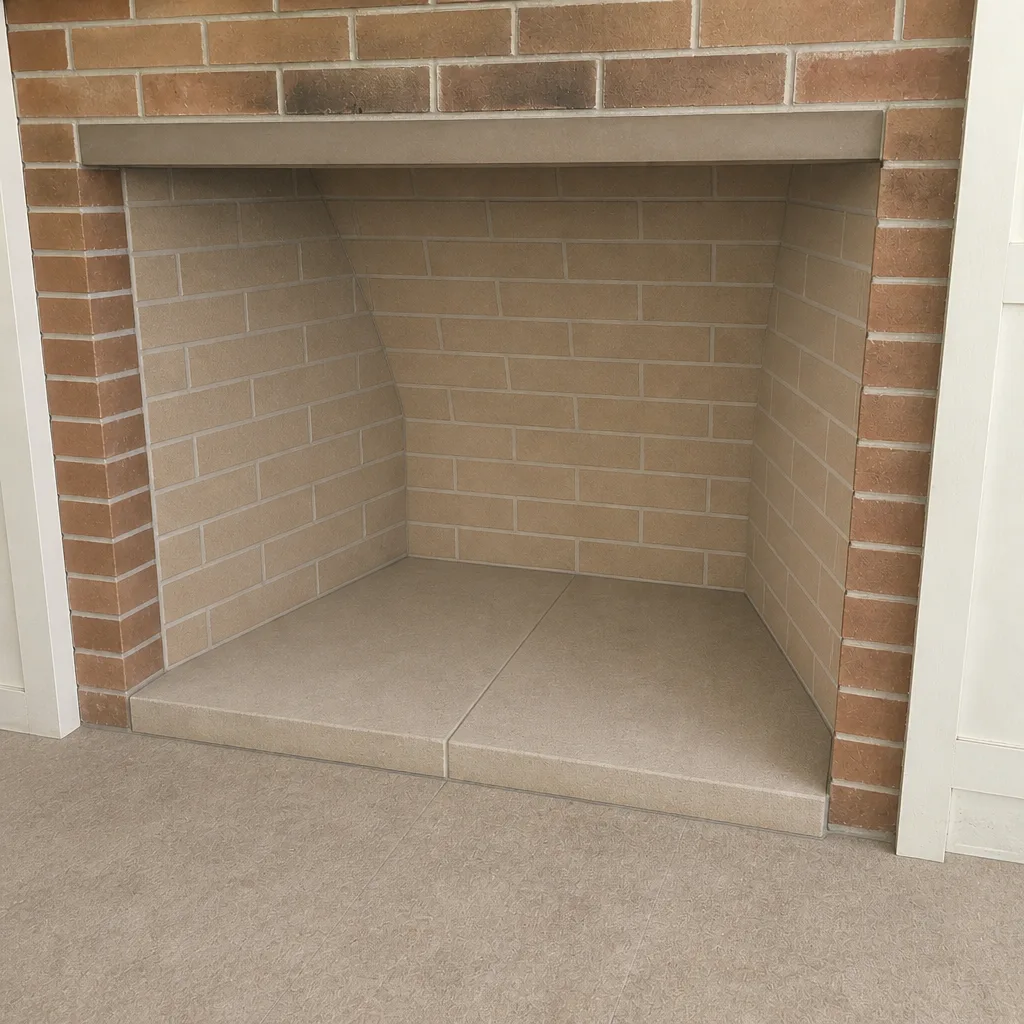
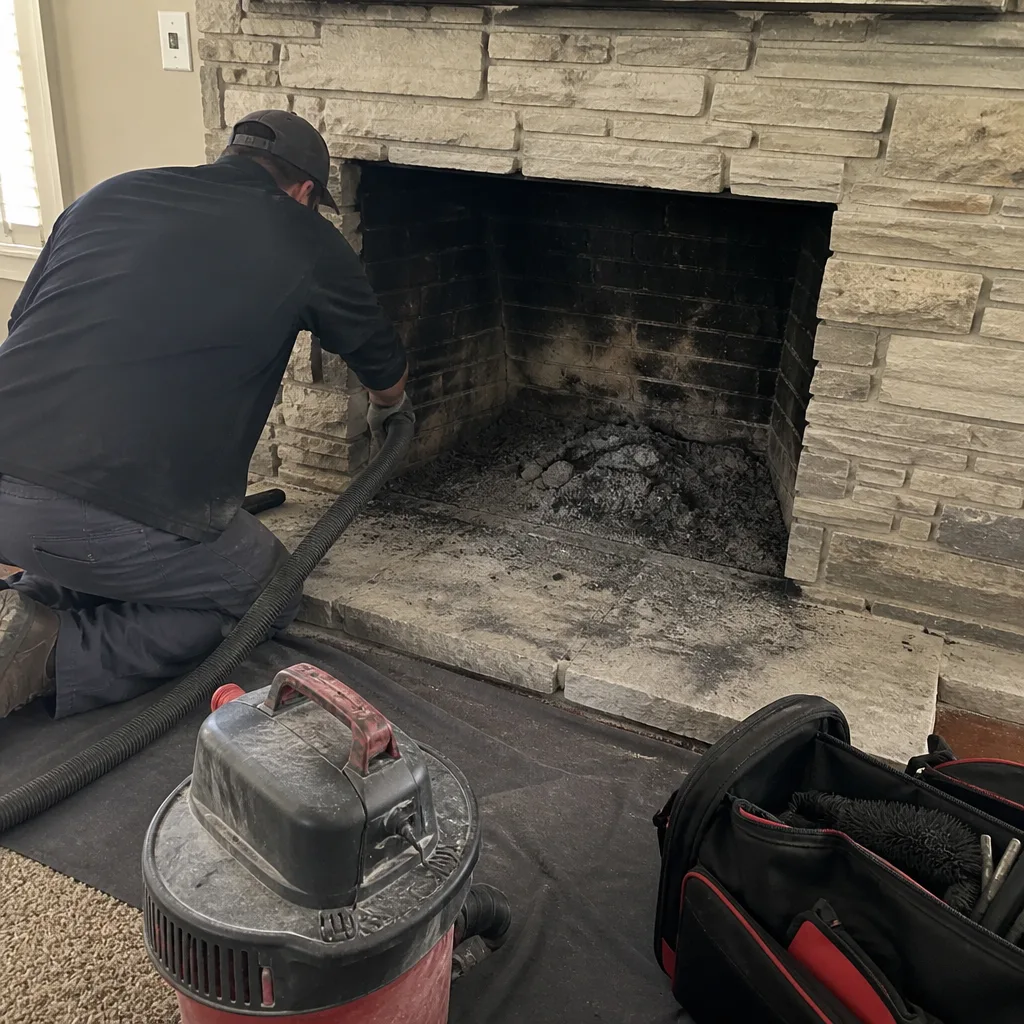
See the difference
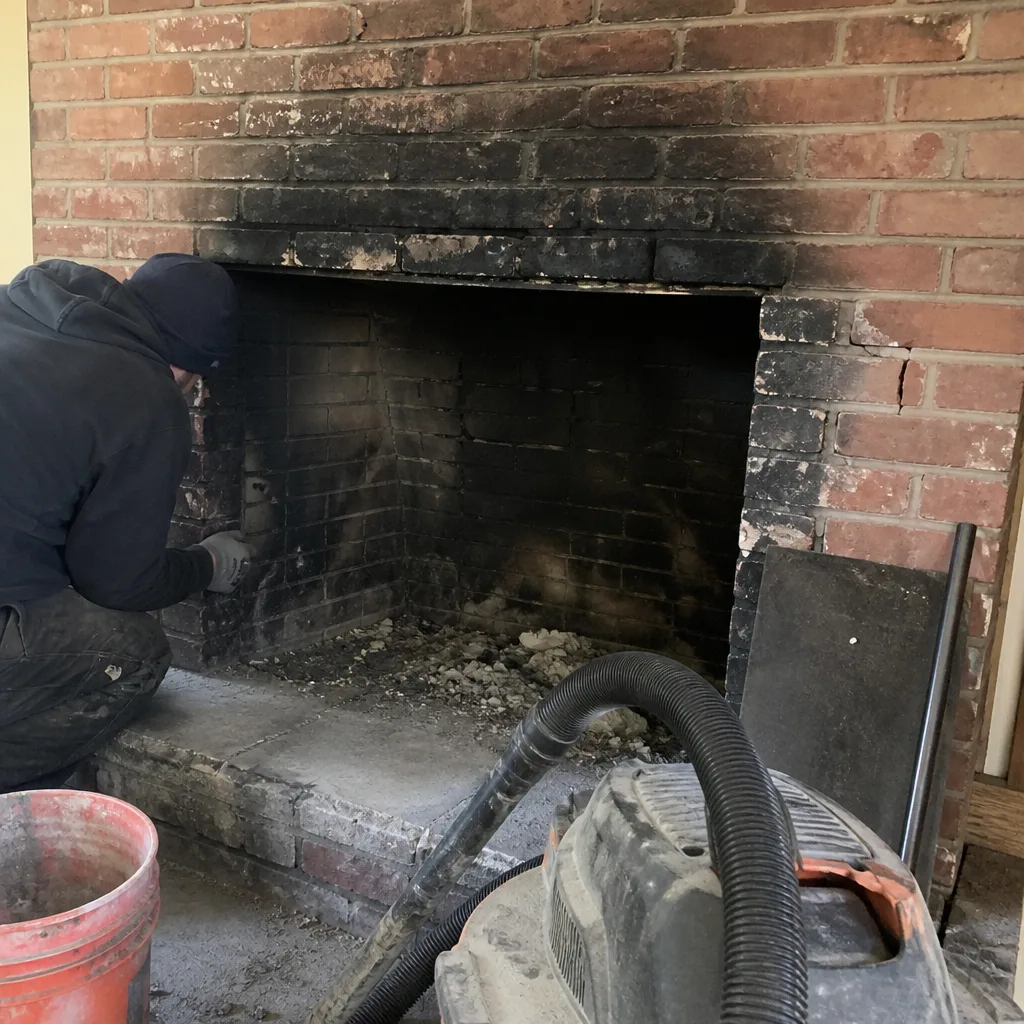 Before
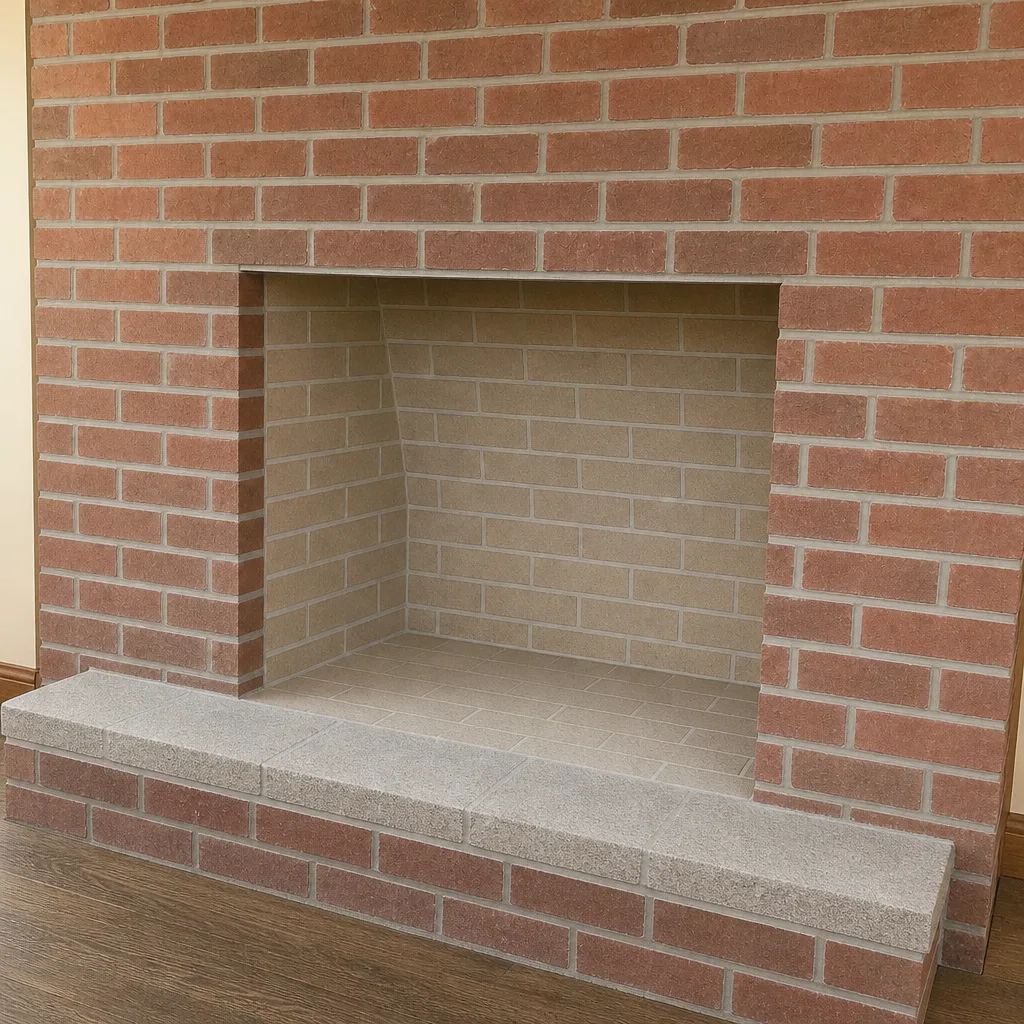 After
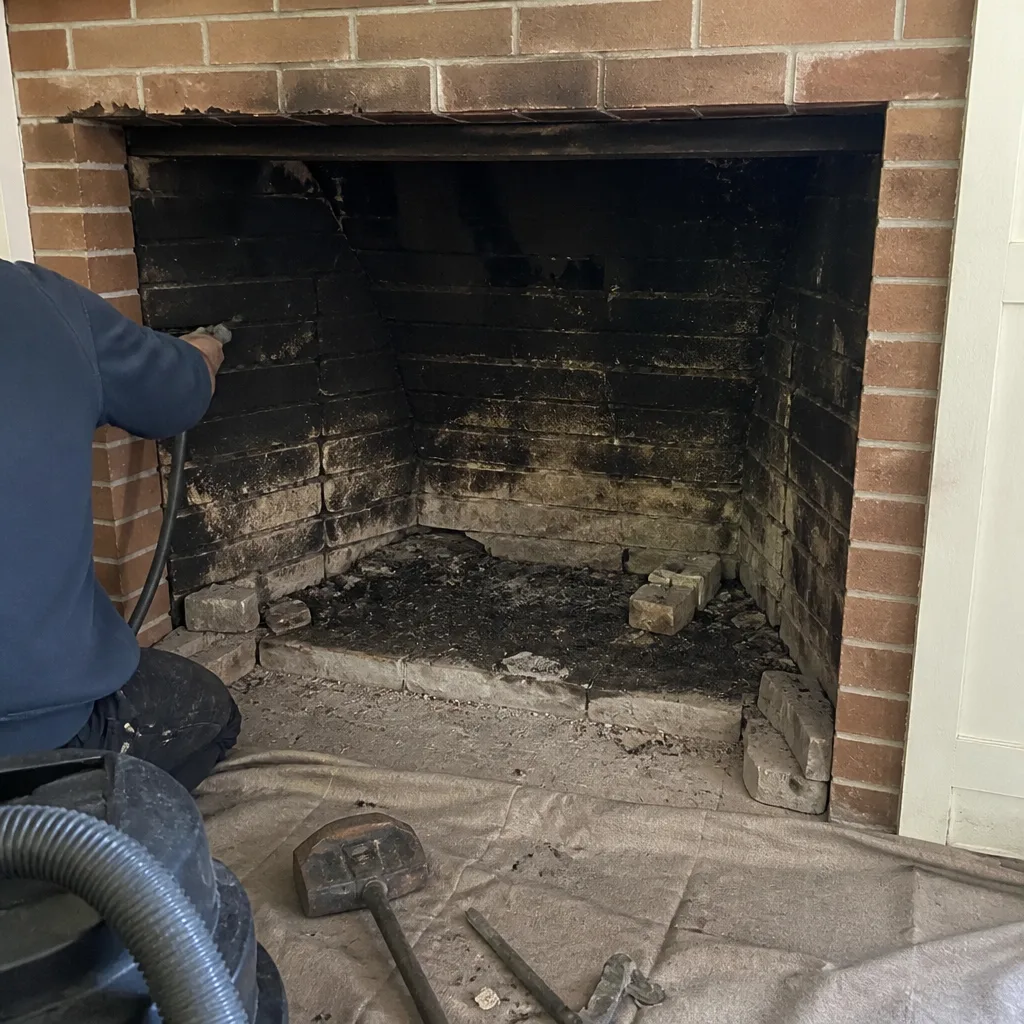 Before
 After
 Before
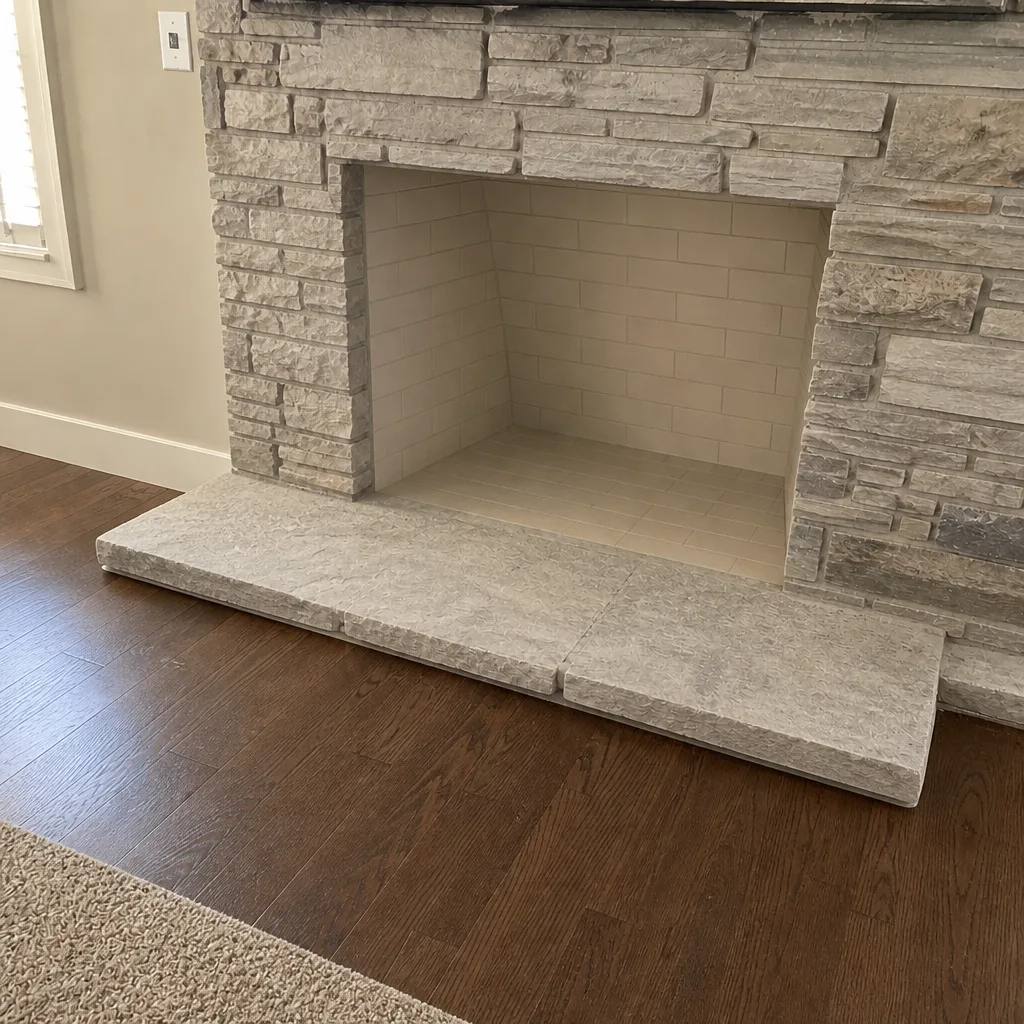 After
When to Call a Professional
Some chimney work belongs in the hands of a trained professional, without exception. If you’ve had a chimney fire, however brief, call for an inspection. If you smell smoke in the house when the fireplace isn’t supposed to be venting, or the fire doesn’t draft well, or you’re noticing white staining or crumbling mortar on the outside of the chimney, those are calls for a professional. If you’re buying or selling a home in Indianapolis, a Level 2 inspection should be on the list. And if your dryer vent hasn’t been cleaned in years, that’s a professional job too. The parts that fail in a chimney; the liner, the mortar joints, the crown, the cap; sit in places you can’t see or reach safely. For a free estimate in Indianapolis, call (888) 560-8179. We answer 24/7. Fast dispatch from 7am to 7pm, Sunday through Friday.
Frequently Asked Questions
Wood-burning fireplaces should be swept annually if you burn regularly, and inspected annually even if you only light a few fires a season. Gas inserts and pellet stoves should be inspected yearly with a cleaning on the cadence appropriate to their fuel. Freeze-thaw cycles and the clay soil beneath most Indianapolis chimneys mean the structure itself deserves an annual look alongside the flue. Call (888) 560-8179 for a booking. We answer 24/7.
Not automatically, and that’s the point of doing a camera inspection first. A cracked or degraded liner can often be restored with HeatShield ceramic resurfacing instead of a full replacement, depending on the damage. A full liner replacement with DuraFlex makes sense when the existing liner is too far gone or the wrong size for the appliance. Nothing gets recommended without camera evidence you can see yourself. Call (888) 560-8179 for a free estimate.
Creosote builds in the flue, raising fire risk, and the liner and mortar joints go uninspected through another winter of freeze-thaw. Cracks that could have been caught small can widen enough to require more than resurfacing. The most serious risk is that a gas appliance venting into a damaged liner can allow carbon monoxide into the home. That’s a reason to have it checked, not a reason to panic. Call (888) 560-8179 for an inspection.
The estimate is free and the price is set per job by a written estimate, not a flat number quoted before anyone looks up the flue. Costs vary with the amount of creosote, the appliance type, and whether a camera inspection is included. Nothing is billed beyond the written estimate. Call (888) 560-8179 for an exact quote.
Not by a single citywide rule, but many sale contracts require a chimney inspection, and a Level 2 is the appropriate level for a sale or renovation because it includes a camera inspection of the flue. A general home inspection usually doesn’t provide a chimney clearance report. Call (888) 560-8179 to book a Level 2 inspection before closing.
Yes. The most common issues, including liner cracks, cracked crowns, and open mortar joints, aren’t visible from the ground or the living room. White staining and crumbling mortar are visible signs that something is already going on. An annual inspection with a camera catches the problems you can’t see. Call (888) 560-8179 for a free estimate.
The Bottom Line
Cleaning your chimney in Indianapolis is an annual habit, but the sweep is only the first quarter of the job. The other three are the liner, the mortar joints, and the cap and crown, and all of them are stressed more heavily here by freeze-thaw cycling and clay soil than in many other parts of the country. A Level 2 inspection during a home sale is worth doing, and it’s the level that catches the hidden problems. Every repair recommendation should come with camera evidence you can see for yourself. We keep the whole system under one roof: sweep, inspect, and fix with professional-grade components like DuraFlex, HeatShield, Gelco, and Olympia Chimney. Clean it. Inspect it. Fix it. That’s the whole approach at Stellar Chimney Cleaning.
Ready to book? Call (888) 560-8179 for a free estimate. We answer 24/7. Fast dispatch from 7am to 7pm, Sunday through Friday. Our technicians have up to 8 years of experience, and every visit starts with a thorough inspection before anything is recommended.
Written by the team at Stellar Chimney Cleaning.