
Last updated November 14, 2026
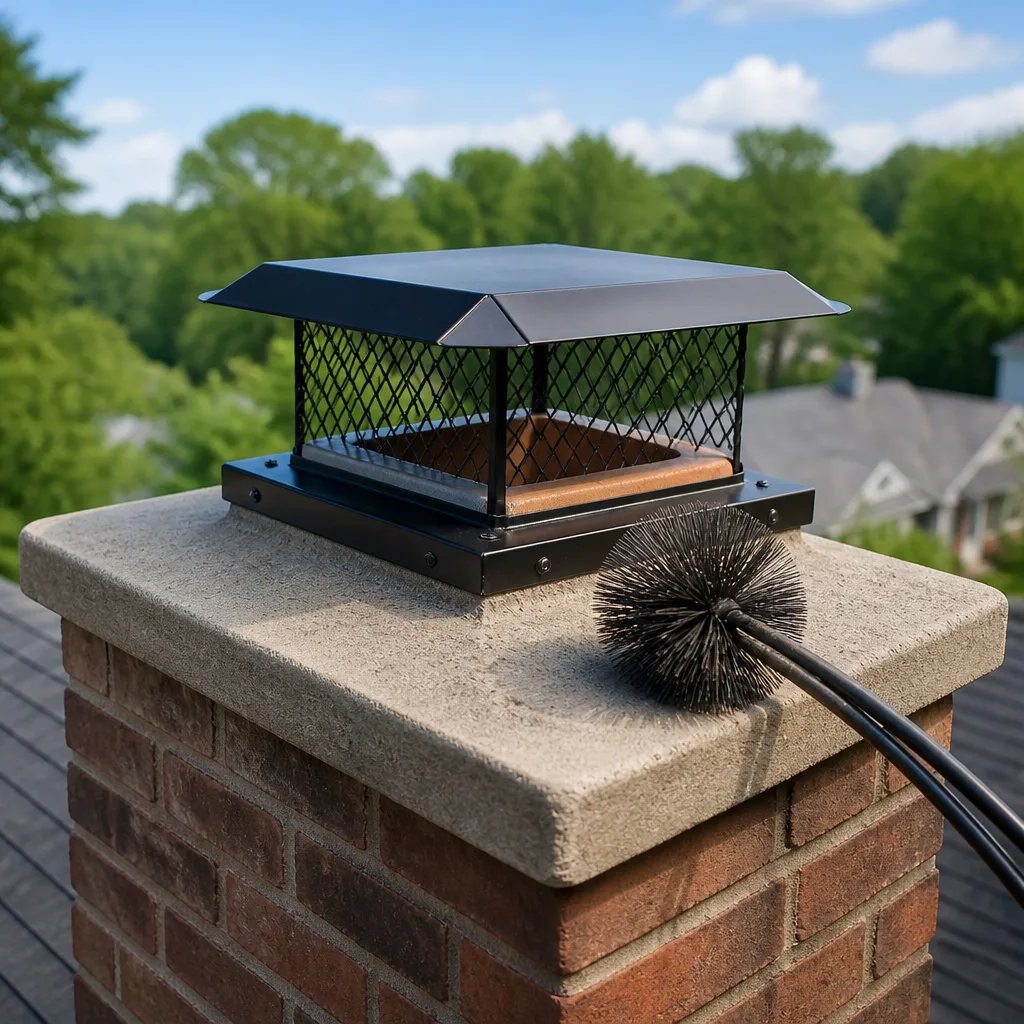 Sweep & inspection
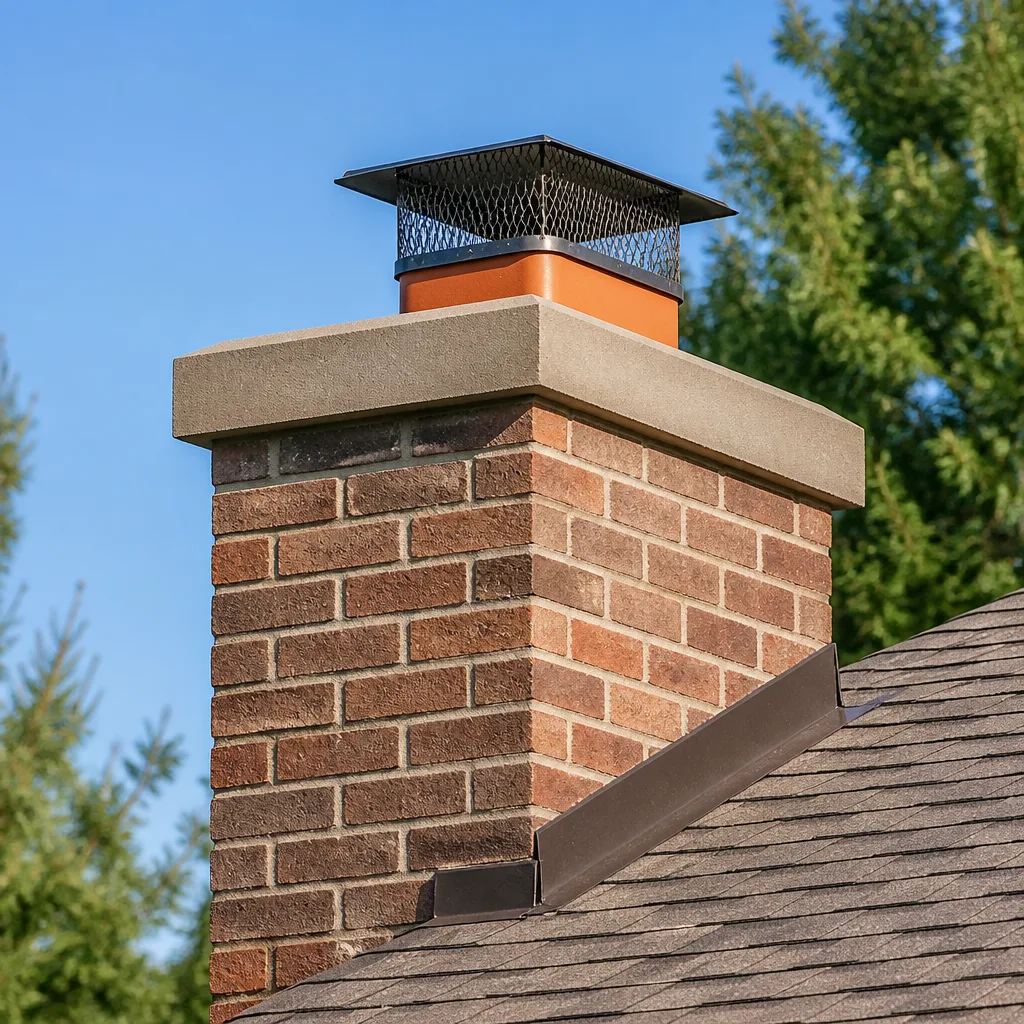 Caps & crowns
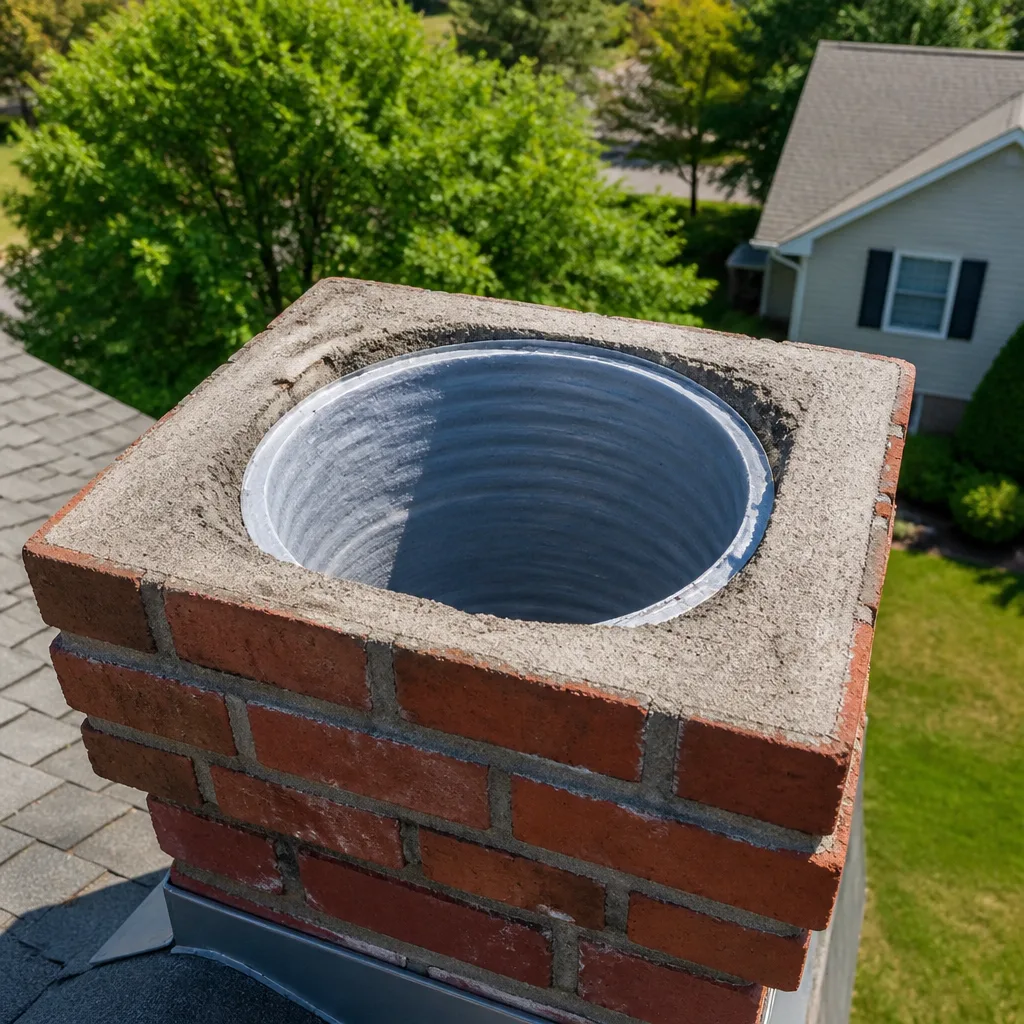 Flue relining
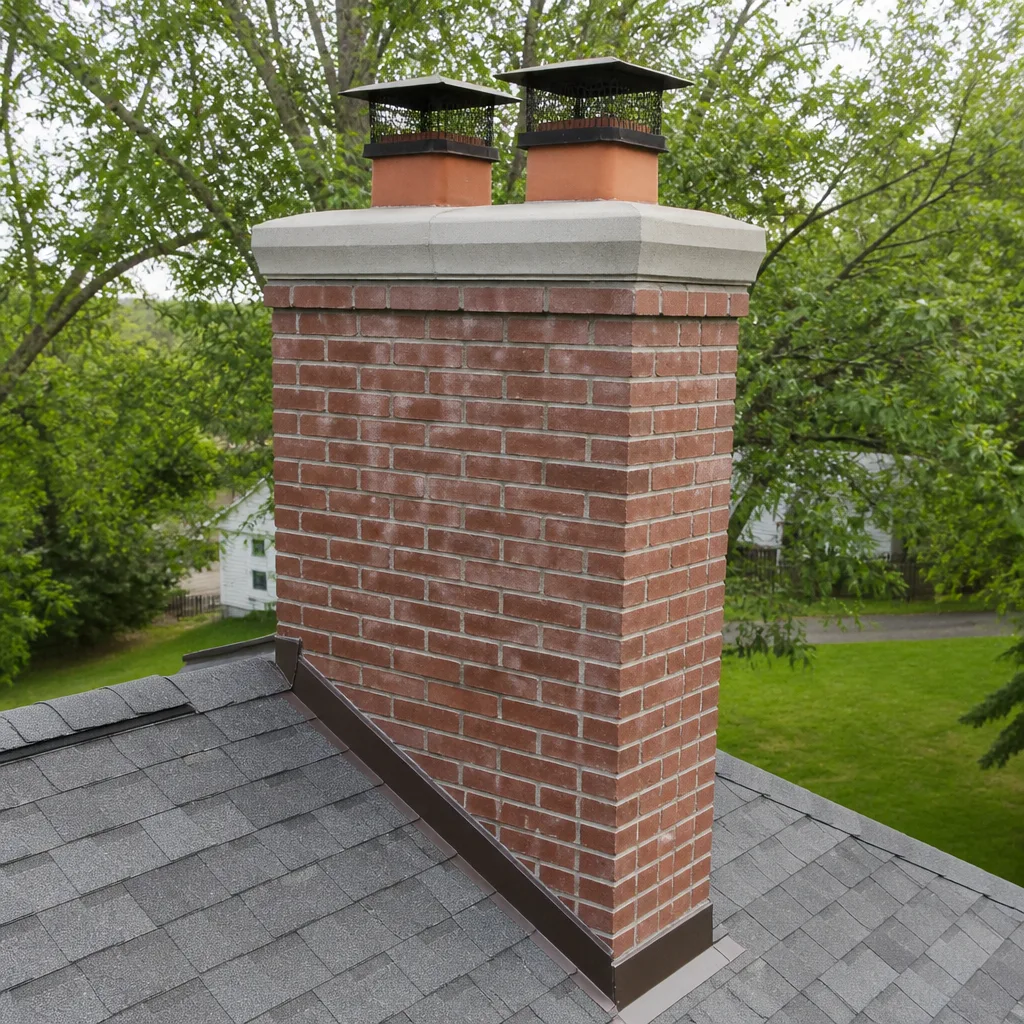 Masonry repair
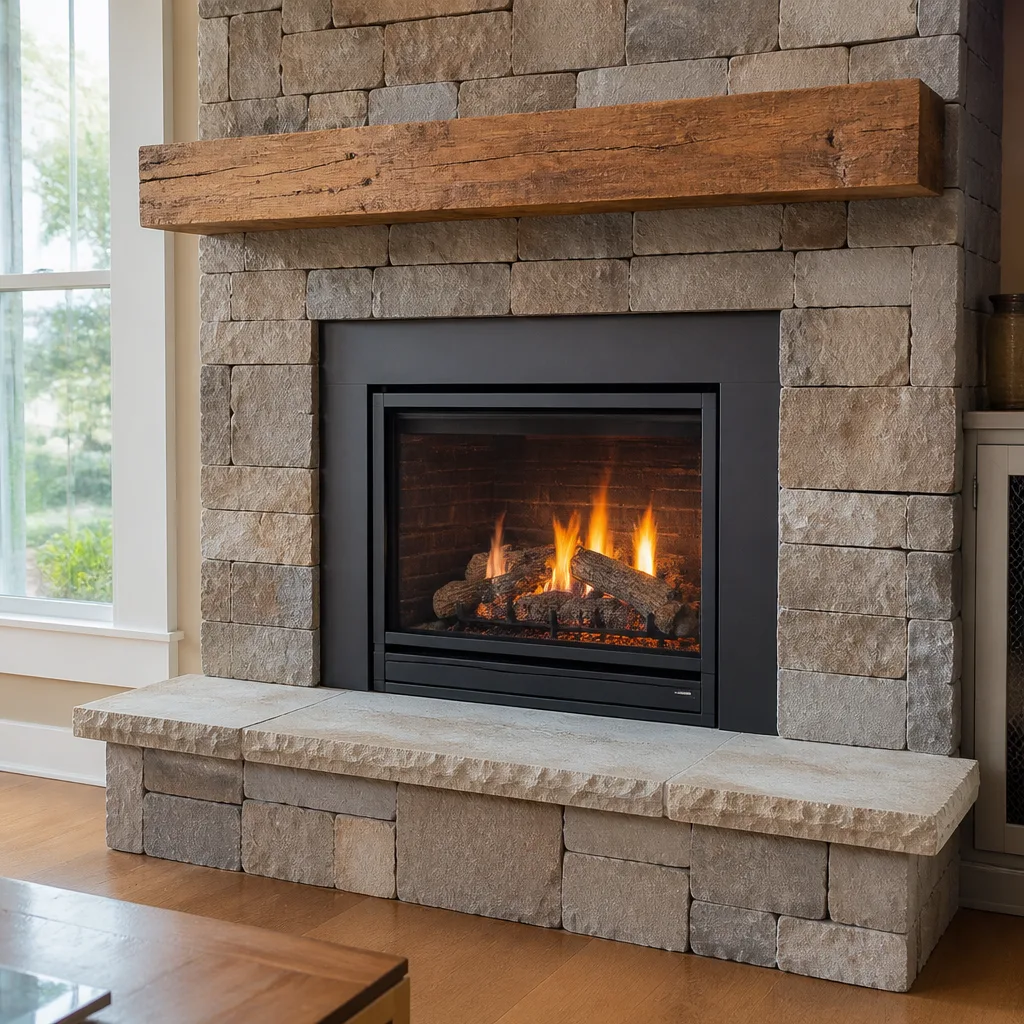 Gas fireplace service
Level 1 sweep and inspection to the NFPA 211 annual standard - flue, crown, cap, and flashing checked and photographed
Chimney sweep logs do not sweep chimneys. They loosen some creosote - which then falls where a brush and vacuum still have to collect it.
Seasonal Chimney Cleaning Care for Indianapolis: Year-Round Homeowner’s Guide
The chimney problem most Indianapolis homeowners discover in October was caused in April. That’s the part of chimney care that doesn’t make it into most advice: when meltwater from a compromised crown works its way into the liner during the spring thaw, it sits undetected through the humid summer, quietly softening mortar and rusting components. By the time the first fire of fall is lit, the damage has been compounding for months. Indianapolis chimney care isn’t one annual event – it’s four distinct seasons, each with its own stress on the system and its own tasks. This guide walks through each period so you know what to check, when to book, and how to combine visits so you’re not calling four times a year.
Quick Answer
Seasonal chimney care in Indianapolis follows four cycles: a post-winter inspection in spring to catch freeze-thaw liner damage, a cap-and-crown check in summer before wildlife nests in the flue, a pre-season sweep and inspection in fall before the first burn, and active monitoring through winter. Most homeowners can cover all of this in one or two booked visits per year rather than four separate calls. The two that matter most are the spring inspection and the fall sweep – skip either and small, cheap fixes turn into liner replacement.
Styles & brands we work with
- Sweep & inspection
- Caps & crowns
- Flue relining
- Masonry repair
- Gas fireplace service
Table of Contents
- Why Indianapolis Chimneys Need Four Seasons of Care, Not One
- Spring: The Inspection That Catches Winter’s Damage
- Summer: Animal Intrusion and the Cap Problem
- Fall: The Pre-Season Checklist Before Your First Burn
- Winter: Monitoring Your Fireplace Without Missing Problems
- How to Coordinate Seasonal Tasks Into One or Two Visits
- The Other Exhaust System: Your Dryer Vent Runs on the Same Calendar
- Common Mistakes to Avoid
Why Indianapolis Chimneys Need Four Seasons of Care, Not One
Chimneys take the weather from both sides. Every fire pushes hot, moisture-laden exhaust up the flue; every rainstorm, snowmelt and humid July day pushes moisture against the outside of the masonry and, if the crown or cap is failing, into the flue itself. Indianapolis sits in a climate with real freeze-thaw cycles – weeks where daytime temperatures rise above freezing and nights drop well below it. Water that seeps into a hairline crack in the crown or a mortar joint freezes overnight, expands, and widens the crack. The cycle repeats. By spring, a small crack has become a real one.
That’s the loop most homeowners don’t see. The chimney doesn’t fail all at once. It fails the way a driveway fails: a little at a time, over seasons, until the damage is visible from the ground.
We break the year into four stress periods:
- Spring (March to May): Freeze-thaw damage peaks. Meltwater from a compromised crown moves into the liner. This is the inspection window.
- Summer (June to August): Humidity accelerates interior deterioration. Starlings and raccoons nest in uncapped flues. This is the prevention window.
- Fall (September to November): The system gets its pre-season check before the first fire. This is the sweep window.
- Winter (December to February): Active burning. Creosote builds. The fireplace needs monitoring, not maintenance.
Each period’s tasks are cheap and short on their own. Deferred across a full cycle, they add up to liner and masonry work that dwarfs the original problem. That’s the whole argument for seasonal care in Indianapolis: not that chimney sweeps are compulsory, but that the four-part rhythm catches the small problems while they’re still small.
Spring: The Inspection That Catches Winter’s Damage
Spring is the most important chimney inspection of the year in Indianapolis, and the one most often skipped. Winter punishes the chimney more than any other season, and the damage it does sits quietly through the spring thaw, waiting to be discovered in the fall.
Here’s what the inspection is looking for:
- Crown cracks. The concrete crown on top of the chimney takes the freeze-thaw cycle worse than almost any other component. A hairline crack in spring becomes a channel for water into the flue by summer.
- Spalling brick and mortar. Freeze-thaw pops the face off bricks and erodes mortar joints. Flaking, crumbling bricks near the top of the chimney are the sign.
- Flue tile cracks. The clay tiles inside the flue expand and contract with the heat of winter fires and the cool of spring nights. Cracks here are serious – they let hot gases and carbon monoxide into the house.
- Rusted components. Dampers, caps and any metal parts collect moisture through winter. Rust in spring means a component has been wet for months.
A camera inspection matters most in spring. Without one, the flue tiles and the top of the liner are invisible from the firebox, and those are exactly where freeze-thaw damage originates. Ask for the photo record of what the camera saw, so you can see the condition for yourself – not just a written verdict.
Why spring and not fall? Because if the inspection finds a crack in April, you have all summer to arrange the fix before burning season. If you find it in October, you’re deciding whether to burn in a compromised flue or go without heat. Same crack, same repair, very different pressure.
Summer: Animal Intrusion and the Cap Problem
A chimney without an intact cap is a nesting cavity, and Indianapolis has plenty of wildlife looking for one through late spring and early summer. Starlings are the most common culprit, then raccoons. Both build nests inside flues with remarkable speed, and once a nest is established, the chimney is blocked until it’s cleared. The homeowner often doesn’t discover the problem until the first cool evening in September, when smoke backs into the room instead of going up the flue.
What to check through the summer, from the ground:
- Is the cap still there? A winter storm can dislodge or crack a cap. If it’s gone in June, the flue is open and the animals have already moved in by July.
- Is the cap intact? A cracked cap lets water into the flue and provides an access point. Look for rust, warping or obvious damage from the ground with binoculars.
- Is the crown sound? If you can see cracks in the concrete crown from the ground, water is already getting in.
- Any sound or smell from the chimney? Scratching, fluttering or a musty smell near the firebox in summer is a strong sign of a nest. Don’t light a fire until the flue is cleared and checked.
The cap does two jobs: keeping rain and snow out, and keeping animals out. A properly fitted cap made from professional-grade components – we use Gelco and Olympia Chimney caps alongside Famco venting – protects the flue for years. The replacement of a missing or damaged cap in June is one of the cheapest fixes in chimney care. Replacing the birds’ nest, the damaged flue and the smoke-damaged damper in October is not.
Fall: The Pre-Season Checklist Before Your First Burn
Fall is the booking season for chimney sweeps in Indianapolis, and the one where homeowners are most likely to remember they have a chimney at all. It’s also where a homeowner who hasn’t burned since last spring gets the most value from a visit. The chimney sweep and inspection before first burn is the single most useful booking in the annual cycle.
The pre-season checklist:
- Book the sweep and inspection. Creosote has been sitting in the flue since spring. The sweep clears it, and the inspection finds anything the summer did to the system.
- Check the damper. Open and close it by hand. If it’s stiff, stuck or won’t seal, that’s a fix-not-a-burn situation – the damper controls how the fire drafts.
- Look up the flue from inside the firebox. If the opening has been uncapped all summer, check for nests before lighting.
- Clear the firebox and the grate. Old ash and debris from last winter reduce draft and can contain debris from summer activity.
- Check smoke and carbon monoxide detectors. Replace batteries at the same time as the pre-season chimney check, so both systems are verified together.
- If you have a gas insert, check the log set and the pilot. Any component that has sat unused for months can develop problems. Gas-burning chimneys need the same annual inspection as wood-burning ones.
What if you haven’t burned since last spring? That’s the case the pre-season inspection was designed for. A flue that has been idle for six or seven months has had time to accumulate animal activity, water intrusion and settling. The visit confirms the flue is clear, the liner is sound, and the damper works before you trust it with a fire. That’s the point of getting the appointment booked before the first cool night, rather than after.
Winter: Monitoring Your Fireplace Without Missing Problems
Winter is when the fireplace earns its keep and when the homeowner’s job shifts from maintenance to observation. The sweep is done, the flue is clear, the cap is on. Now the question is whether anything is going wrong during active burning, and whether you’d notice if it were.
What to watch for through the season:
- Smoke where it shouldn’t be. A fireplace that drafts well in cold weather should continue to. Smoke entering the room during a burn – especially a change from the way it behaved earlier in the season – means the draft has changed. Stop burning and get it inspected.
- The color and density of smoke from the top of the chimney. Heavy, dark smoke suggests a hot fire or a wood problem. Very little smoke from a burning fire can mean a blocked flue. Both are worth a look.
- New odors. A fireplace that starts smelling smoky or chemical when it didn’t before is signaling something changed.
- The sound of a chimney fire. A chimney fire can sound like a distant roar, a low rumble, or popping and cracking from inside the flue. If you suspect one, get everyone out and call the fire department. Don’t try to diagnose it in the moment.
- Headaches, drowsiness or dizziness in the house. Carbon monoxide has no smell and no color. Any of these symptoms when a fire is burning or a gas insert is running is a reason to open windows, get out, and call the fire department.
Winter is also when you’re most tempted to skip a service visit because it’s cold and busy. A single booking mid-season for a check – especially if anything above has seemed off – is cheaper than waiting and finding the problem next spring when it’s been building for months. If a call comes in outside the usual dispatch hours, we answer 24/7; a call outside dispatch hours is booked into the next opening, Sunday through Friday, 7am to 7pm.
How to Coordinate Seasonal Tasks Into One or Two Visits
The trap in seasonal chimney care is turning it into four separate service calls. You don’t need to. A chimney sweep that includes an inspection covers most of the seasonal tasks, and the ones that don’t fit the visit can usually be rolled into the next. The trick is to book the right time of year and to ask for the combined service.
Here’s the simplest plan that covers the whole year:
- Book the fall sweep and inspection in early fall, before the first burn. This is the mandatory annual visit. It clears the creosote, checks the flue and cap, and finds the problems the summer left behind.
- Roll the spring check into it as an “early inspection” when the fall one surfaces a concern. If the fall visit finds a crown crack or a flue tile issue, the spring visit becomes a specific re-check on that item rather than a full workup. One problem, one follow-up.
- Handle the cap and crown in the summertime, or annually at the same time as the sweep. A cap check takes minutes when a technician is already on the roof for the inspection. Ask for it.
- Book the dryer vent in the same visit. The dryer vent is another exhaust system that needs annual or biennial attention, and covering it at the same visit is often more efficient than booking it separately.
Most Indianapolis homeowners land on one fall visit per year, and a second visit in spring only if the fall inspection flagged something. That’s one to two bookings, not four. If you want to combine tasks, the way to do it is to describe all the concerns when you book, so the visit is scheduled with the right scope rather than as a series of returns.
The Other Exhaust System: Your Dryer Vent Runs on the Same Calendar
Your dryer vent is a chimney too. It carries hot, lint-laden exhaust out of the house on the same kind of schedule as the fireplace flue – and it accumulates lint the way a flue accumulates creosote. The National Fire Protection Association treats both systems as fire-risk exhaust pathways, and the annual habit that protects the chimney protects the dryer vent as well.
Indianapolis homes most at risk are ones with long dryer vent runs, a vent that exits through a wall or roof, or a dryer that lives inside a closet. Lint builds up fastest in the ductwork that runs farthest from the dryer, which is exactly the part you can’t see. The signs a vent needs attention:
- Clothes take longer than one cycle to dry.
- The dryer feels hot to the touch during a cycle.
- The vent flap outside doesn’t open fully when the dryer runs.
- There’s a musty or burning smell near the dryer.
Dryer vent cleaning is one of our three core services, and it’s the one most homeowners forget until the dryer stops working. Treat it as part of the same seasonal plan: when you book the chimney sweep, ask about the dryer vent at the same time. If you want the dryer vent cleaning scheduled together with the chimney visit, say so when you book. Two exhaust systems, one visit, both checked.
One thing worth knowing about the local calendar: the dryer vent is more forgiving than the chimney, but it does need attention sooner if the dryer’s performance has changed. Most households should plan on a vent cleaning on the same annual or biennial rhythm they use for the chimney.
Common Mistakes to Avoid
- Treating chimney care as a once-a-year event in October. The fall sweep is essential, but it misses freeze-thaw damage from the spring and animal intrusion from the summer. A fall-only routine means October is when you learn about the April problem.
- Ignoring the cap because it’s “just a cover.” A missing or damaged cap is the fastest route from “small repair” to “new liner and a blocked flue.” The cap is the single cheapest component to keep in good condition and the one most likely to fail unnoticed.
- Skipping the camera inspection because the sweep “looks fine.” The inside of the flue is where freeze-thaw damage hides. A sweep without an inspection tells you the firebox is clear and nothing about the liner. Ask for the camera and the photo report.
- Lighting the first fire of fall without checking the flue. An uncapped chimney that has been undisturbed since spring is a likely nest site. The first burn of the season is not the time to find out.
- Assuming a gas insert needs less care than a wood fireplace. Gas inserts have their own inspection and cleaning needs. Skipping the annual visit on a gas insert because there’s no creosote is a common mistake.
- Booking the dryer vent as an afterthought, if at all. Lint is the leading contributor to dryer vent fires, and the annual habit that covers the chimney is the one that should cover the vent. Book them together.
- Taking a verbal “you need a new liner” without seeing the evidence. The biggest hesitation in chimney work is being told you need thousands of dollars in liner or masonry work with no way to check. Nothing should be recommended without a camera image you can look at yourself, and some of it can safely wait. Ask to see the picture.
See the difference
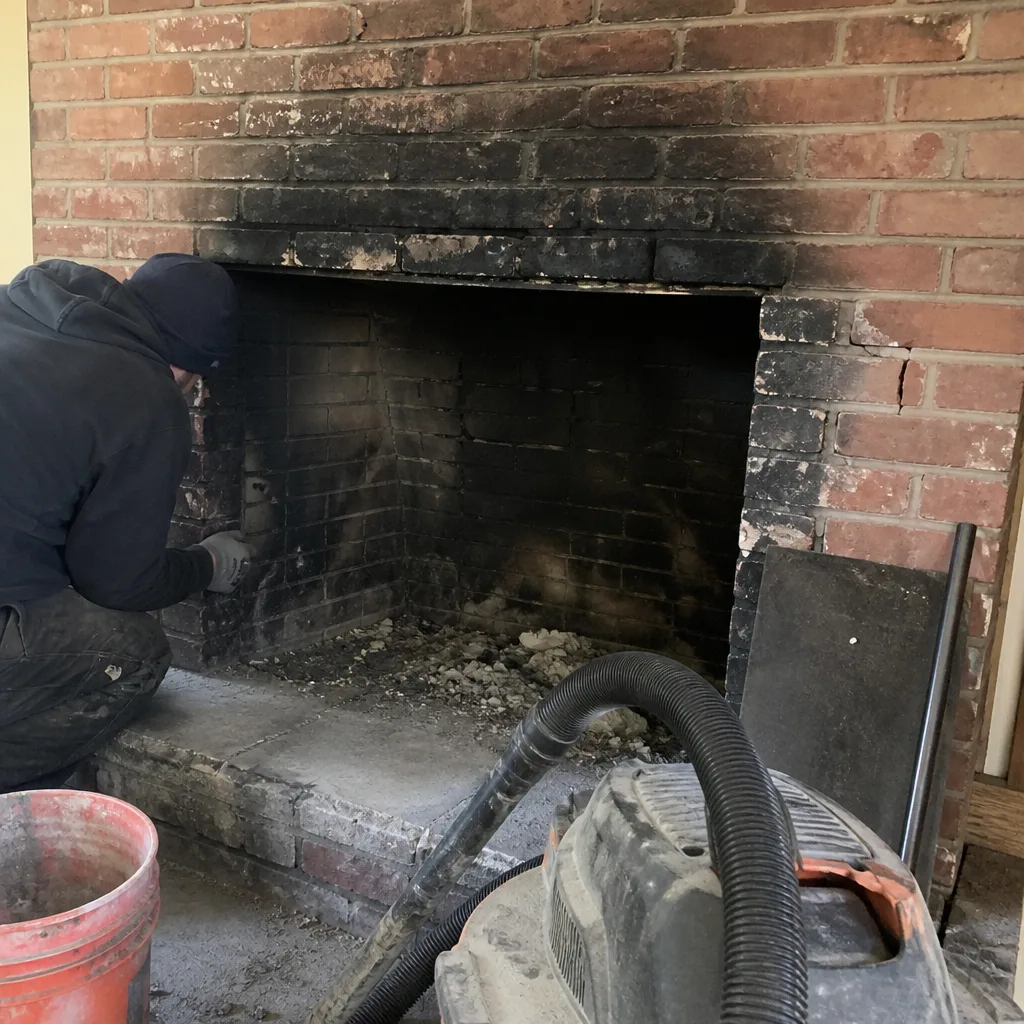 Before
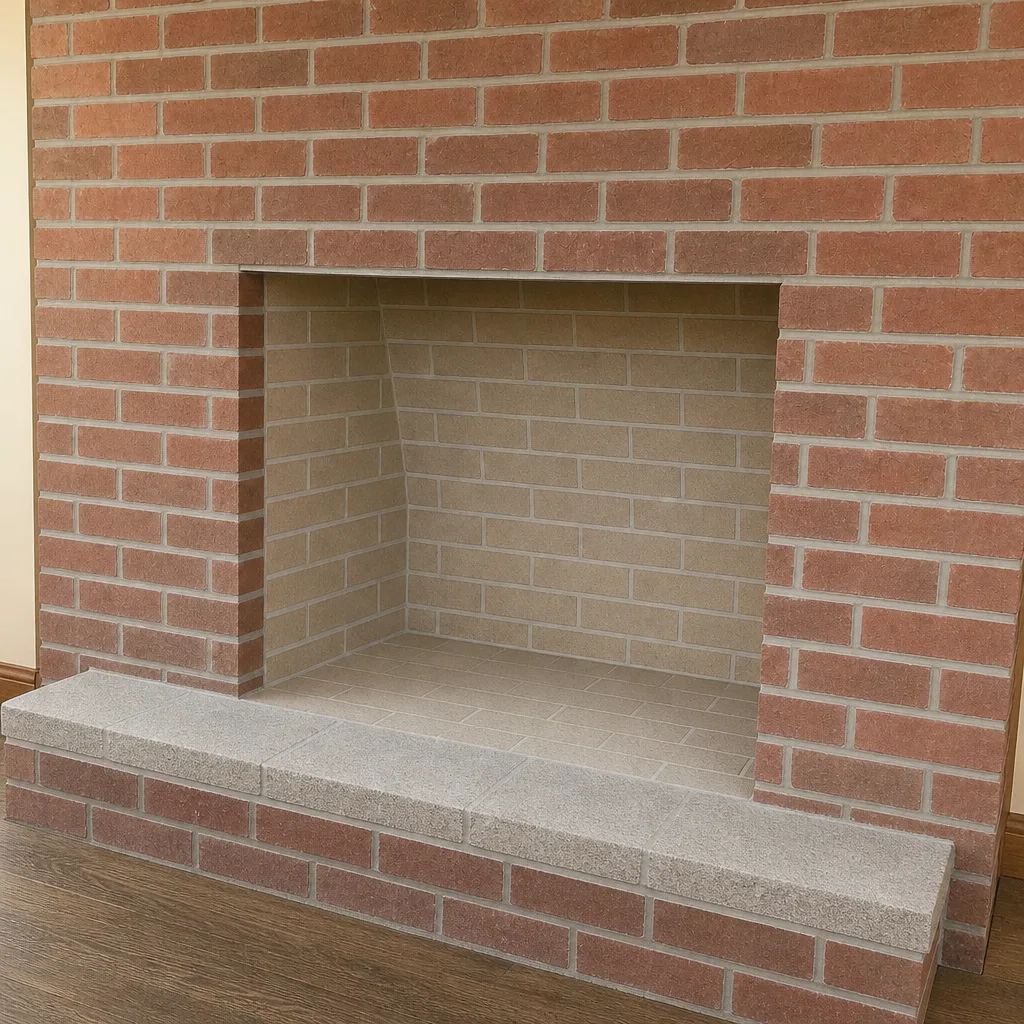 After
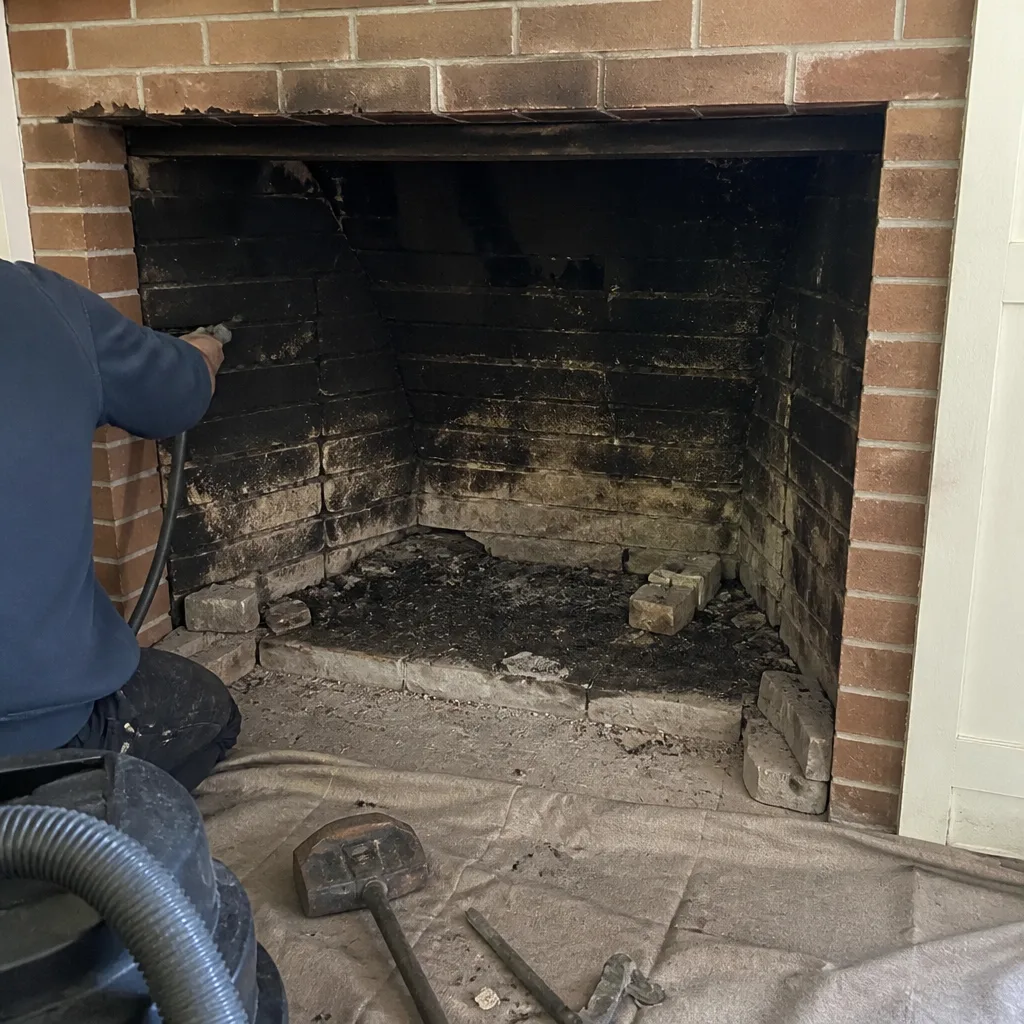 Before
 After
 Before
 After
When to Call a Professional
Call for the fall pre-season sweep and inspection, first of all – that’s the one non-negotiable booking of the year. Call in spring if the fall visit flagged anything, or if last winter ended with a suggestion of damage you didn’t chase down. Call in summer if the cap looks damaged or missing, or if there’s any sign of nesting. Call any time you notice smoke entering the room, a new smoky smell, a change in how the fire drafts, or symptoms that could be carbon monoxide. And call when the dryer starts taking two cycles to dry or the vent flap outside stops opening fully.
Stellar Chimney Cleaning offers free estimates in Indianapolis – call (888) 560-8179. We answer 24/7. Fast dispatch from 7am to 7pm, Sunday through Friday. Our technicians have up to 8 years of experience, and we carry professional-grade parts including HeatShield, DuraFlex, Gelco and Olympia Chimney so the repair uses the same components contractors specify, not a big-box substitute.
Frequently Asked Questions
Once a year for most homes that burn wood, and the best time is early fall before the first burn. The annual sweep and inspection catch creosote buildup from the previous winter and anything the summer did to the flue. Homes that burn heavily, or use green or unseasoned wood, may need the flue checked more often. Call (888) 560-8179 for an exact quote – estimates are free.
Because that’s when freeze-thaw damage from winter is visible, and when you have months of warm weather to arrange the fix before burning season. The fall inspection catches the same damage, but you’re under pressure to either burn in a compromised flue or go without heat. A spring inspection costs the same and gives you time to plan. Call (888) 560-8179 to book either one – estimates are free.
You need a new liner only if the flue is cracked, unlined or damaged beyond what resurfacing can restore, and you should be shown the camera image that proves it before you spend a dollar. A flue in moderate condition can often be resurfaced with HeatShield instead of replaced, which is a real repair path rather than a full liner swap. If a technician can’t show you the problem on camera, ask to see it. Call (888) 560-8179 for an inspection with a photo report – estimates are free.
Starlings and raccoons nest in open chimneys through late spring and summer, and a missing or damaged cap is an invitation. The nest blocks the flue, and it’s usually not discovered until the first burn of fall, when smoke backs into the room. Call for a cap check in summer if you notice birds near the chimney, or if the cap looks damaged from the ground. Call (888) 560-8179 for a free estimate on cap and inspection.
Creosote accumulates in the flue with every fire, and enough of it is flammable. A chimney fire is the worst outcome, but the more common one is draft failure: the fire burns poorly, smoke enters the room, and the flue becomes a route for carbon monoxide into the house. Skipping a sweep doesn’t fail immediately – it fails unpredictably. Call (888) 560-8179 to book the annual sweep – estimates are free.
Yes, and most of our Indianapolis customers do. The chimney sweep and the dryer vent cleaning are separate jobs on separate systems, but they can be scheduled in the same visit when you book them together, which is simpler than two separate appointments. Say both when you call. Call (888) 560-8179 – estimates are free.
The Bottom Line
Indianapolis chimney care isn’t one appointment in October. It’s a four-season rhythm: spring inspection to catch freeze-thaw damage while there’s time to fix it, summer cap-and-crown check before wildlife moves in, fall sweep and pre-season check before the first burn, and winter monitoring with an eye on how the fire behaves. Most homeowners can cover all of it in one or two visits per year, especially when the dryer vent is booked alongside the chimney sweep. The common thread is that every problem is cheap while it’s small and expensive after a season of neglect. Our job as a Stellar Chimney Cleaning team is to clean it, inspect it, and fix it – with the camera evidence in your hands so you can see what we saw. Call (888) 560-8179 for a free estimate. We answer 24/7. Fast dispatch from 7am to 7pm, Sunday through Friday.
Written by the team at Stellar Chimney Cleaning.