
Last updated November 14, 2026
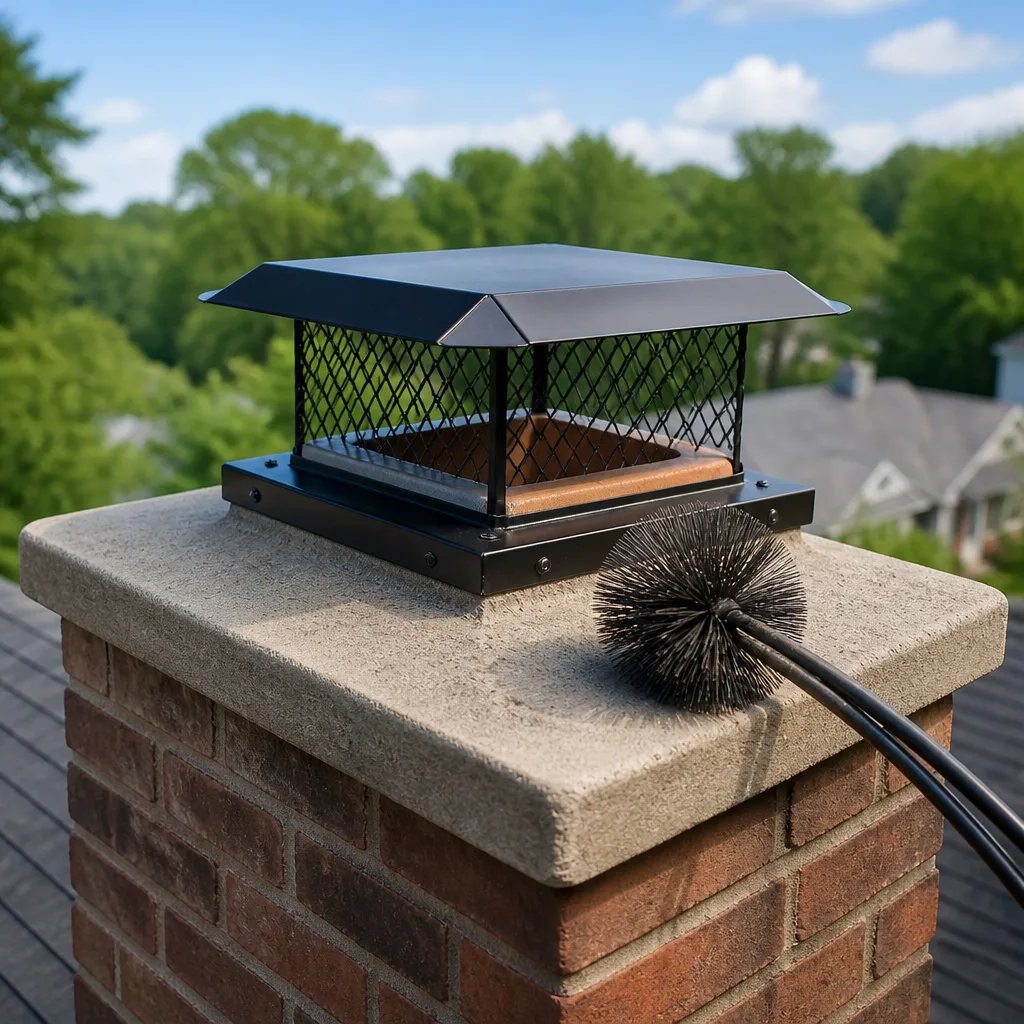 Sweep & inspection
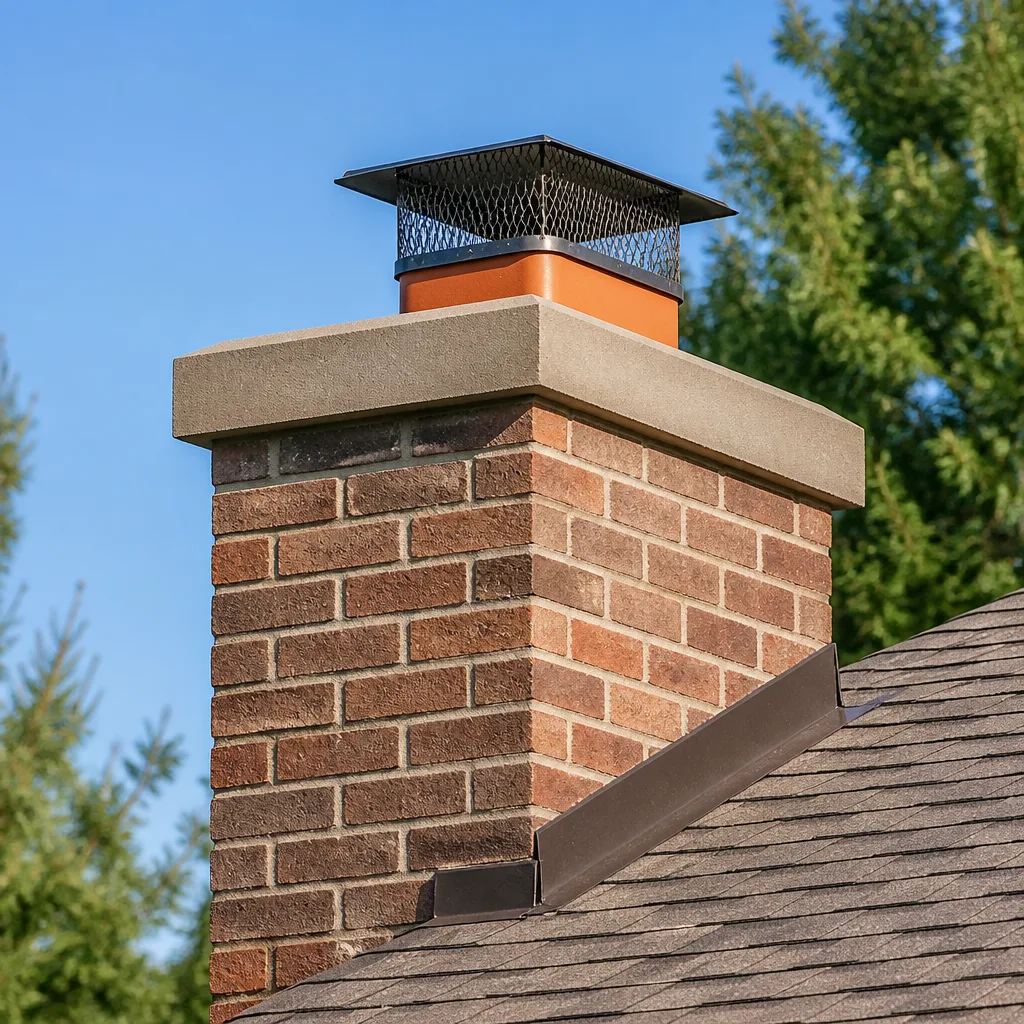 Caps & crowns
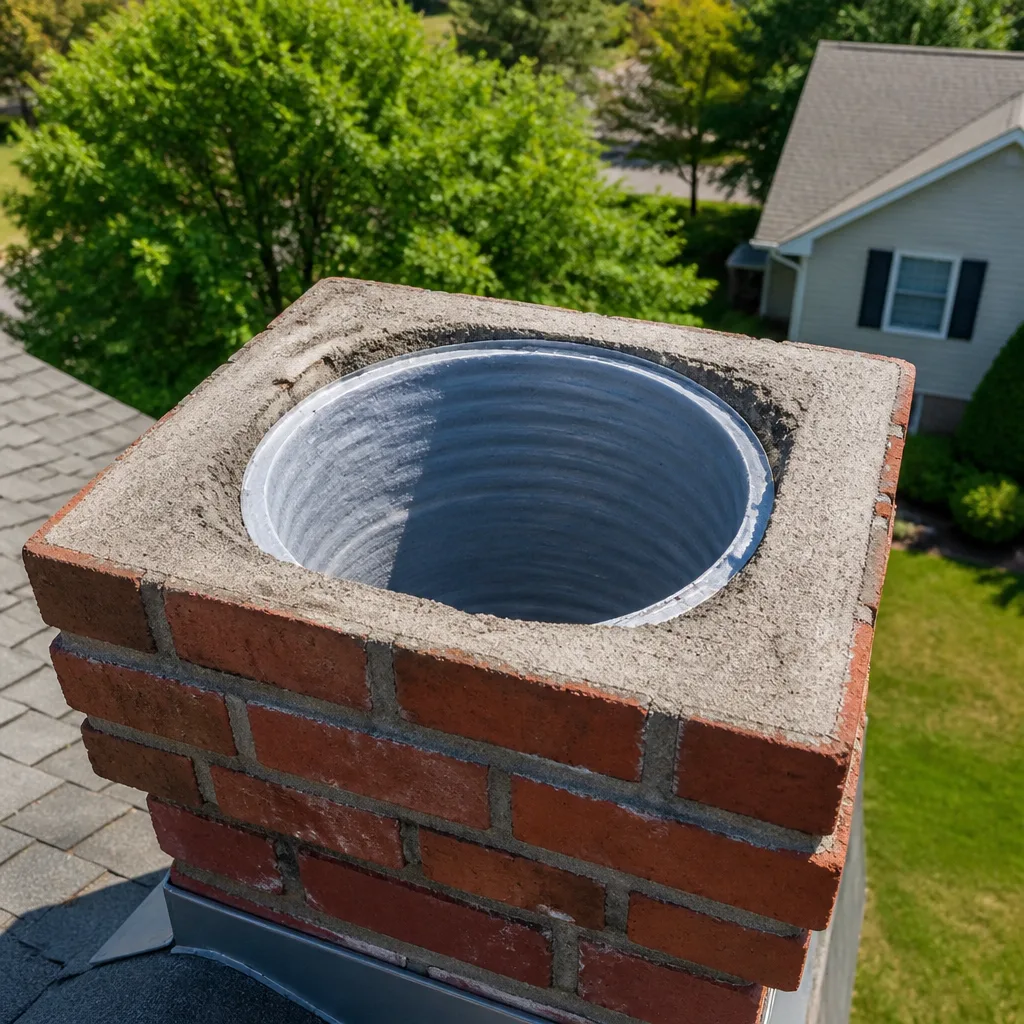 Flue relining
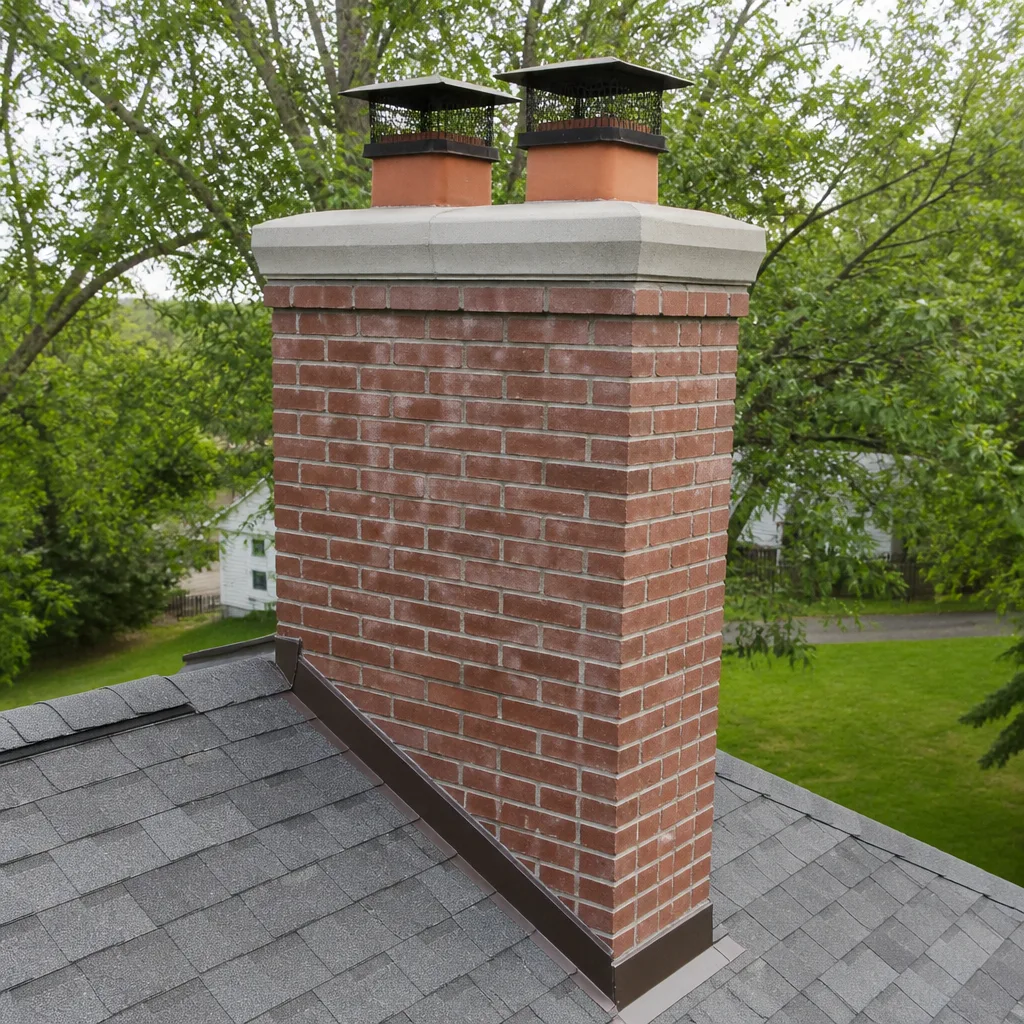 Masonry repair
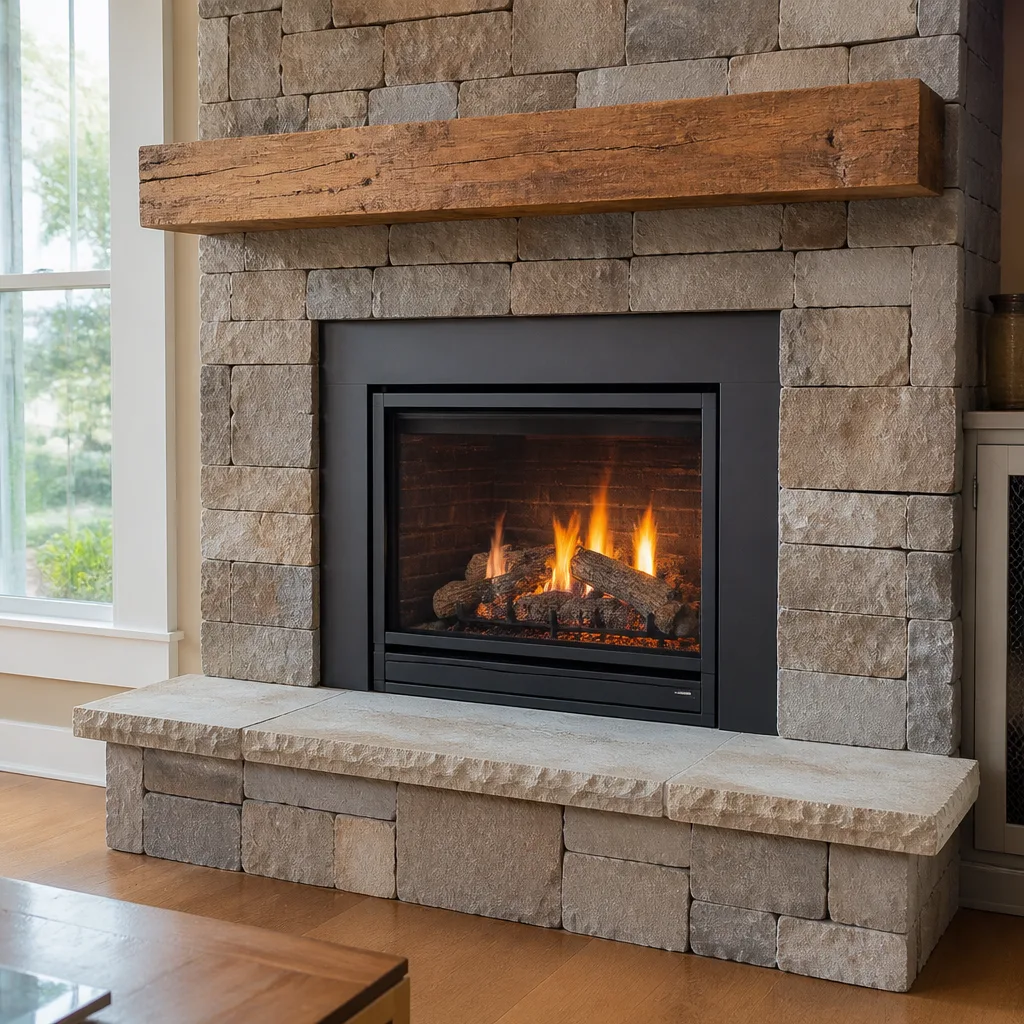 Gas fireplace service
Level 1 sweep and inspection to the NFPA 211 annual standard - flue, crown, cap, and flashing checked and photographed
Chimney sweep logs do not sweep chimneys. They loosen some creosote - which then falls where a brush and vacuum still have to collect it.
Chimney Cleaning Permits, Codes & Inspections in Indianapolis, IN: What You Need to Know
A chimney sweep costs nothing in permits. That’s the honest part most homeowners already expect. But the liner replacement a sweep sometimes uncovers is a different story, and the contractor who quotes you a new flue without mentioning a permit is either unaware of Marion County requirements or hoping you won’t ask. In Indianapolis, the line between “maintenance” and “construction” matters more than most people realize, and it’s the point where a simple cleaning appointment can turn into a code question with real consequences for your homeowner’s insurance and your ability to sell your house. This guide walks you through exactly where that line sits: what’s exempt, what isn’t, which Indiana residential standards apply, how permits actually get pulled in Marion County, and what to ask before anyone touches structural or liner work on your chimney.
Quick Answer
Routine chimney cleaning and minor maintenance in Indianapolis do not require a permit. Chimney relining, crown replacement, firebox reconstruction, and structural masonry repair generally do require a permit through Marion County’s Division of Planning & Zoning, and the work must meet Indiana Residential Code standards for chimney construction. Unpermitted chimney work often surfaces during a home inspection or title search, and correcting it retroactively usually costs more than pulling the permit up front.
Styles & brands we work with
- Sweep & inspection
- Caps & crowns
- Flue relining
- Masonry repair
- Gas fireplace service
Table of Contents
- Which chimney services in Indianapolis are permit-exempt?
- Which chimney repairs require a permit?
- How Marion County handles chimney permits
- Indiana Residential Code, in plain language
- What the inspection actually looks at
- What happens when work was never permitted
- What to ask your contractor before work begins
- Why Indianapolis timing matters
Which chimney services in Indianapolis are permit-exempt?
Chimney sweeping, visual inspections, cap replacement, and routine maintenance do not require a permit in Indianapolis. Cleaning a flue is maintenance, the same category as changing a furnace filter or clearing a gutter. It doesn’t alter the structure of the home, so the city has no reason to review it. If your only need is a chimney sweep, you can book it without a second thought about paperwork.
What counts as exempt in Marion County generally includes:
- Chimney sweeping and creosote removal
- Level 1, 2, and 3 video inspections (inspection only, no repair)
- Replacing a chimney cap, spark arrestor, or rain cover
- Replacing a damper that doesn’t involve masonry work
- Minor mortar touch-up on a chimney crown or flashing where no structural change occurs
- Routine dryer vent cleaning
Those last items sit in a gray zone worth understanding. Replacing a cap with a Famco or Copperfield model is a swap of a component, not a modification to the chimney itself. But once a repair requires opening the flue, removing masonry, or altering the way the chimney is vented, you’ve moved out of maintenance and into construction. The city’s interest begins at that boundary, not before it.
One practical note: exempt doesn’t mean unimportant. Even a minor crown repair that’s done without reference to code can create water intrusion that fails an inspection later. Exemption is a paperwork fact, not permission to skip the standards.
Which chimney repairs require a permit?
Chimney relining, crown replacement, firebox reconstruction, and any structural masonry work on the chimney require a permit in Indianapolis. These aren’t cosmetic changes. They affect how the chimney functions as a venting system, and the city needs to confirm the work meets Indiana Residential Code before the structure is closed up and hidden from view.
Permit-required work typically includes:
- Relining a flue. Installing a stainless liner, such as a DuraFlex system, changes the venting path. The permit confirms the liner is correctly sized and the appliance is properly connected.
- Rebuilding or replacing the crown. The crown is the sloped cap at the top of the chimney. Replacing it involves structural masonry and controls how water sheds off the stack.
- Firebox reconstruction. Rebuilding the firebox affects both the structural integrity of the chimney and the safety of the fireplace itself.
- Masonry repair that changes the shape of the chimney. Rebuilding the top courses of brick, correcting a lean, or replacing a significant portion of the stack falls under structural work.
- Connecting a new gas appliance to a chimney or flue. This ties into code requirements around venting and combustion air.
- Altering the flue for a wood stove or insert. Changes to how a solid-fuel appliance vents usually require review.
HeatShield ceramic resurfacing occupies an interesting middle ground. It restores a deteriorated flue interior without full liner replacement, and whether it requires a permit depends on how the work is scoped. As a general rule, if a repair affects the structural system or the venting performance of the chimney, ask the question. That’s the standard we apply when talking with homeowners in Broad Ripple, Irvington, and Meridian-Kessler, and it’s the standard the city applies too.
How Marion County handles chimney permits
Chimney permits in Marion County fall under the Division of Planning & Zoning, which reviews structural and mechanical work on residential properties. The homeowner or the licensed contractor can apply, though in practice most permits are pulled by the contractor performing the work. Homeowners don’t usually need to walk into an office; much of the process is handled online or through the contractor’s portal.
What the process typically looks like:
- Scope the work. The contractor determines whether the project is permit-exempt maintenance or permitted construction. This is the step where some contractors gloss over the question entirely.
- Submit the application. The permit application describes the work, names the licensed contractor, and includes any required drawings or specs. For chimney relining, the liner specification is typically part of the submission.
- Pay the permit fee. Fees vary by scope. Relining a single flue is a smaller fee than reconstructing a crown and rebuilding multiple flue tiles.
- Receive the permit. Review timelines vary with the volume of applications the city is handling, and they can stretch during busy construction seasons. Ask the contractor to build that time into the schedule rather than assuming a next-day approval.
- Complete the work. The job is done to the approved scope and to Indiana Residential Code standards.
- Schedule the inspection. A Marion County inspector reviews the work before the permit is closed.
Two things trip homeowners up here. First, the permit timeline means structural chimney work isn’t a same-week project. If a liner has to be replaced before cold weather sets in, planning ahead in late summer or early fall is the realistic path. Second, the inspection happens after the work is done, so a contractor who skipped the permit still has to answer for the end result. There’s no version of this where the paperwork quietly disappears.
Indiana Residential Code, in plain language
Indiana Residential Code sets the standards that chimney construction and repair must meet, and it draws on the same national model codes used across the country. You don’t need to memorize section numbers. You do need to understand what the code is trying to accomplish, because that’s what the inspector is checking.
In plain terms, the code covers four things:
- The flue must vent the appliance safely. Liner size, material, and connection all have to match the appliance the chimney serves. A liner sized for a wood stove is not automatically correct for a gas furnace.
- The chimney must be structurally sound. Masonry, mortar joints, and the crown all have to hold up. A visibly deteriorated chimney fails this test, and so does a chimney that was patched cosmetically without addressing the underlying cause.
- Clearances around combustible materials must be maintained. This is the requirement most often missed in older Indianapolis homes. Brick chimneys built decades ago sometimes don’t have the clearance modern code expects, and a liner or shielding system can bring them into compliance.
- The chimney must be protected from water intrusion. The crown, flashing, and cap all matter here. Code doesn’t require waterproofing as a service, but it does require a chimney that keeps water out of the structure.
When a technician recommends a DuraFlex liner or a HeatShield resurfacing, the justification isn’t preference. It’s that the existing flue doesn’t meet one of those four standards. That’s also why we explain the reasoning rather than just handing over an invoice, and why the explanation should make sense to you even if you never read the code yourself.
What the inspection actually looks at
There are two inspections that matter to a chimney owner in Indianapolis, and they’re often confused with each other. The first is the routine chimney inspection performed by a chimney professional before or after cleaning. The second is the Marion County inspection tied to a permit. They serve different purposes and both matter.
The professional chimney inspection is a condition review of the whole venting system. It’s ranked as Level 1, 2, or 3 depending on access and how much of the system needs evaluating. A Level 1 inspection covers accessible portions of the chimney and the appliance connection. A Level 2 inspection adds a video scan of the flue, which is how a technician actually sees liner deterioration, gaps, or offsets that aren’t visible from the firebox. A Level 3 inspection is reserved for cases where parts of the chimney have to be opened up to see what’s going on.
What the professional inspection checks:
- The flue interior for cracks, gaps, and creosote accumulation
- The condition of the liner or flue tiles
- The firebox and damper
- The crown, cap, and flashing at the top of the stack
- The appliance connection and any venting concerns
The Marion County inspection is narrower. It checks that the work done under the permit matches the approved scope and meets Indiana Residential Code. The inspector isn’t evaluating your chimney’s long-term maintenance plan; they’re confirming that the liner installed is the one approved, that the masonry is properly rebuilt, and that the job is compliant.
A word about safety here: the flue is where carbon monoxide and combustion byproducts leave the house. An inspection that finds a compromised liner is not a scare tactic. A failed flue can let carbon monoxide into living space, and that risk is the reason the code exists. If a technician flags a liner issue in your chimney, take it seriously even if the fireplace has been working fine. Working fine is how most people describe a chimney right up until it isn’t.
What happens when work was never permitted
Unpermitted chimney work tends to surface at the worst possible time: during a home inspection, a title search, or the sale of the house. When a buyer’s inspector notes a chimney that was relined or rebuilt without a permit on record, the sale can stall. The buyer’s lender may want the permit closed before funding. The title company may flag it. And the current owner is the one who has to sort it out.
The paths forward usually look like one of these:
- Obtain a retroactive permit. In some cases, the work can be permitted after the fact, inspected, and closed out. This works best when the work itself was done correctly and only the paperwork is missing.
- Redo the work. If the inspection reveals the work doesn’t meet code, it may need to be corrected or redone. A liner that was installed without proper sizing or connection is a common example.
- Disclose and negotiate. Sometimes the work stands and the buyers negotiate a credit for the missing permit. That’s a cost, but it’s usually smaller than a full redo.
There’s also an insurance angle. A homeowner’s policy generally assumes the home was built and modified to code. If a chimney fire or carbon monoxide incident traces back to work done without a permit, an insurer can question coverage. That’s not a guarantee of denial, but it’s a real risk, and it’s the reason the permit question matters even for homeowners who never plan to sell. The cost of a permit is small next to the cost of discovering, a decade later, that the work doesn’t hold up.
If you’re buying or selling a home in Indianapolis with a chimney, ask for the permit history. It’s a reasonable request, and a seller who knows their chimney was permitted will be able to answer it quickly.
What to ask your contractor before work begins
Before any structural or liner work starts on your chimney, ask five questions. A contractor who welcomes them is one you can trust with the job. A contractor who deflects is telling you something too.
- “Is this work permit-exempt or permitted?” They should answer without hesitation. If they say a relining job doesn’t need a permit, ask them to confirm with Marion County before you proceed.
- “Who pulls the permit?” Most contractors handle it, but you want it stated plainly in writing. If the answer is “the homeowner,” that’s a red flag for a structural job.
- “What does the liner specification look like, and why that product?” Professional-grade materials matter here. A DuraFlex liner and a HeatShield resurfacing are different solutions for different conditions, and the contractor should be able to explain why one fits your chimney better than the other.
- “What does the written scope include, and what’s excluded?” The estimate should say exactly what’s being done, which components are involved, and whether the permit fee is included. Get it in writing before work starts.
- “What happens if the inspection finds something that needs correction?” A good contractor will say they come back and make it right. The cost of an inspection-driven correction should not be an open question.
One more: ask whether the contractor is licensed and insured. Indiana doesn’t license chimney contractors under a single statewide program the way it does some trades, so verification is the contractor’s responsibility to demonstrate, not yours to assume. Ask for proof, and expect a straight answer.
At Stellar Chimney Cleaning, our technicians have up to 8 years of experience and a working grasp of both the practical and the code side of chimney repair, because the two run together whether or not a permit is involved. We work with the same professional-grade materials restoration contractors specify, including DuraFlex liner systems and HeatShield ceramic resurfacing, and we’re happy to walk through the permit picture for your job before you commit to anything.
Why Indianapolis timing matters
Chimney work in Indianapolis has a season, and it’s not the one homeowners expect. Fall and early winter are when fireplaces get used, which means that’s when problems get noticed. It’s also when the home improvement calendar fills up and when Marion County’s permit review queue gets longer. A liner that fails an inspection in November is harder to schedule than the same liner failing in August.
The realistic sequence for anyone planning ahead:
- Late summer: Book the chimney sweep and inspection before the season starts. A technician can identify liner or crown issues while there’s time to permit and schedule any repair.
- Early fall: If repair is needed, file the permit and get on the contractor’s schedule.
- October: Complete repairs and pass the inspection before the first sustained cold snap.
- November through February: Use the fireplace with the work already done and inspected.
Indianapolis winters run cold enough that a fireplace gets real use. The clay flue tiles common in older homes in neighborhoods like Fountain Square and Garfield Park don’t tolerate the freeze-thaw swings that show up here, and a flue that has cracked tiles from a prior winter isn’t going to repair itself. Catching that in September is a straightforward job. Catching it in January, mid-season, is a permit-and-timeline scramble.
Dryer vent cleaning follows its own timing, but the principle is the same. Lint accumulation in a dryer vent is a fire risk independent of chimney season, and a yearly check keeps the whole system honest. Your dryer vent is a chimney too, in a functional sense – it exhausts combustion-adjacent heat and needs an unobstructed path out. Treating it as a separate concern from the fireplace is a mistake we see often. One service call covers both.
Common Mistakes to Avoid
- Assuming a liner replacement doesn’t need a permit. It usually does. Skip the permit and the missing record can follow the work for the life of the house, surfacing at the worst moment.
- Letting a contractor scope the work without a permit discussion. The permit question isn’t the homeowner’s job to remember – it’s the contractor’s job to raise. If they don’t, ask.
- Treating a chimney inspection as an upsell. A Level 2 inspection with a video scan is how liner issues actually get found. Skipping it to save time often means finding the problem later at higher cost.
- Buying a home in Indianapolis without checking chimney permits. A permit history is a straightforward thing to request. Its absence is worth knowing about before closing, not after.
- Opting for the cheapest liner and hoping it holds. Liner lifespan and safety depend on the material and the installation. Professional-grade components like those from DuraFlex or HeatShield exist for a reason, and a bargain liner replacing a failed one is a short-term fix.
- Ignoring the crown. Crown cracks let water into the flue, and water damage is one of the most common causes of liner deterioration in this climate. Fixing the crown alongside a liner replacement is often cheaper than doing them separately.
- Skipping the dryer vent because the fireplace is the visible one. Dryer vent lint fires are a separate risk, and the annual check is a few minutes of work that eliminates a whole category of hazard.
See the difference
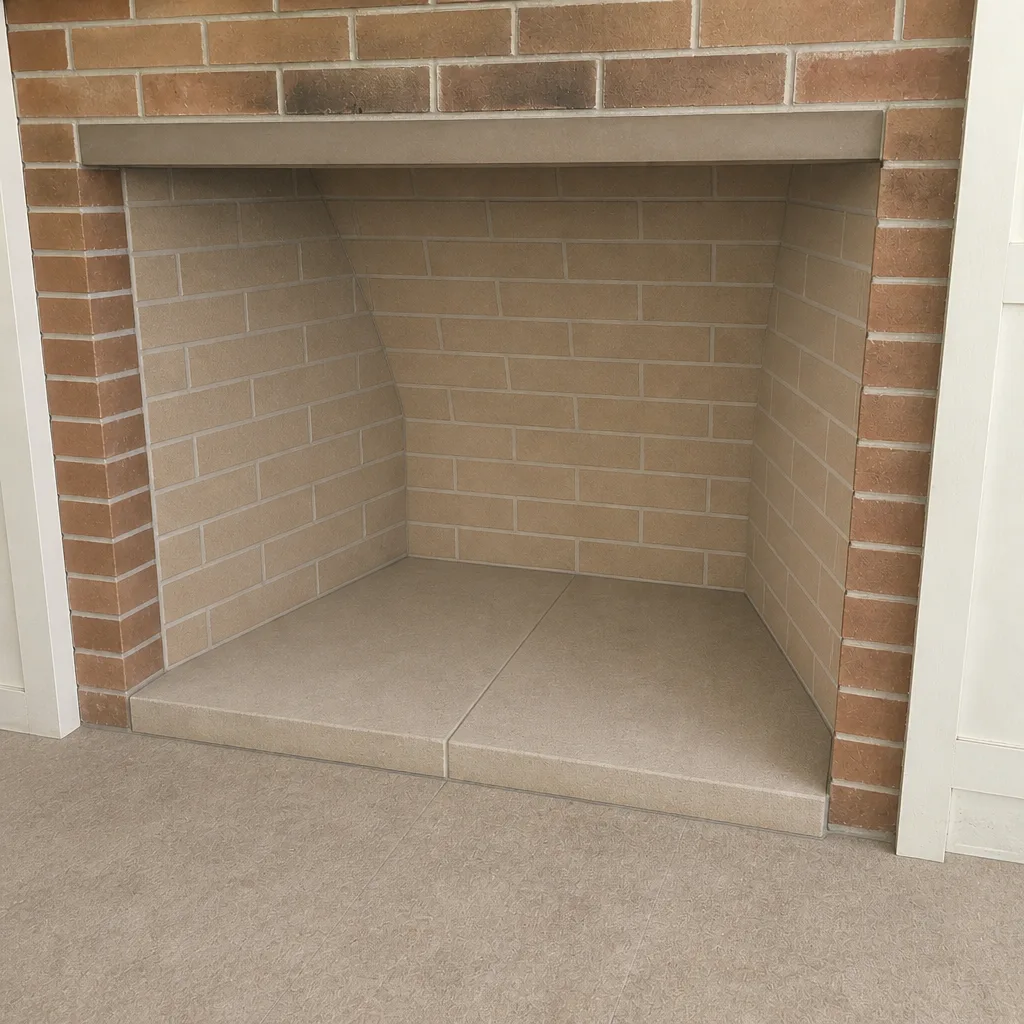
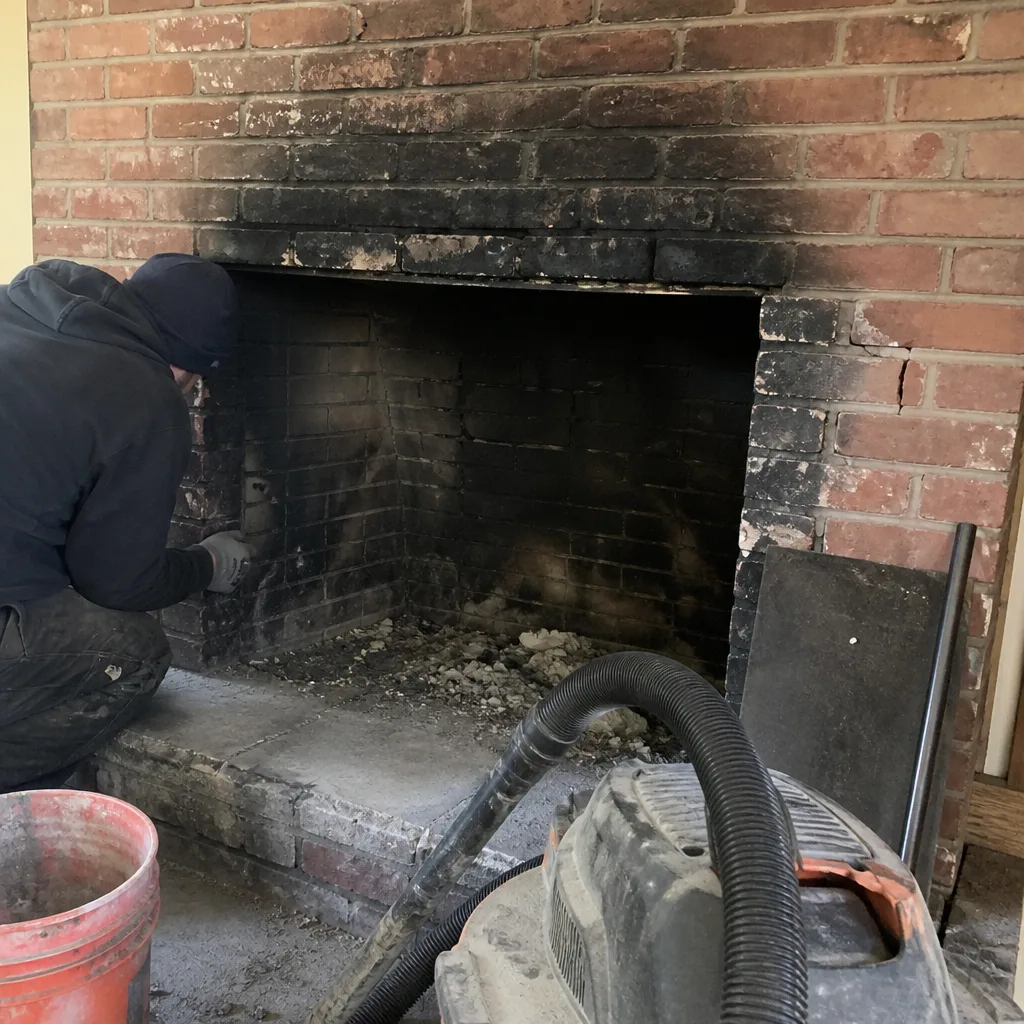 Before
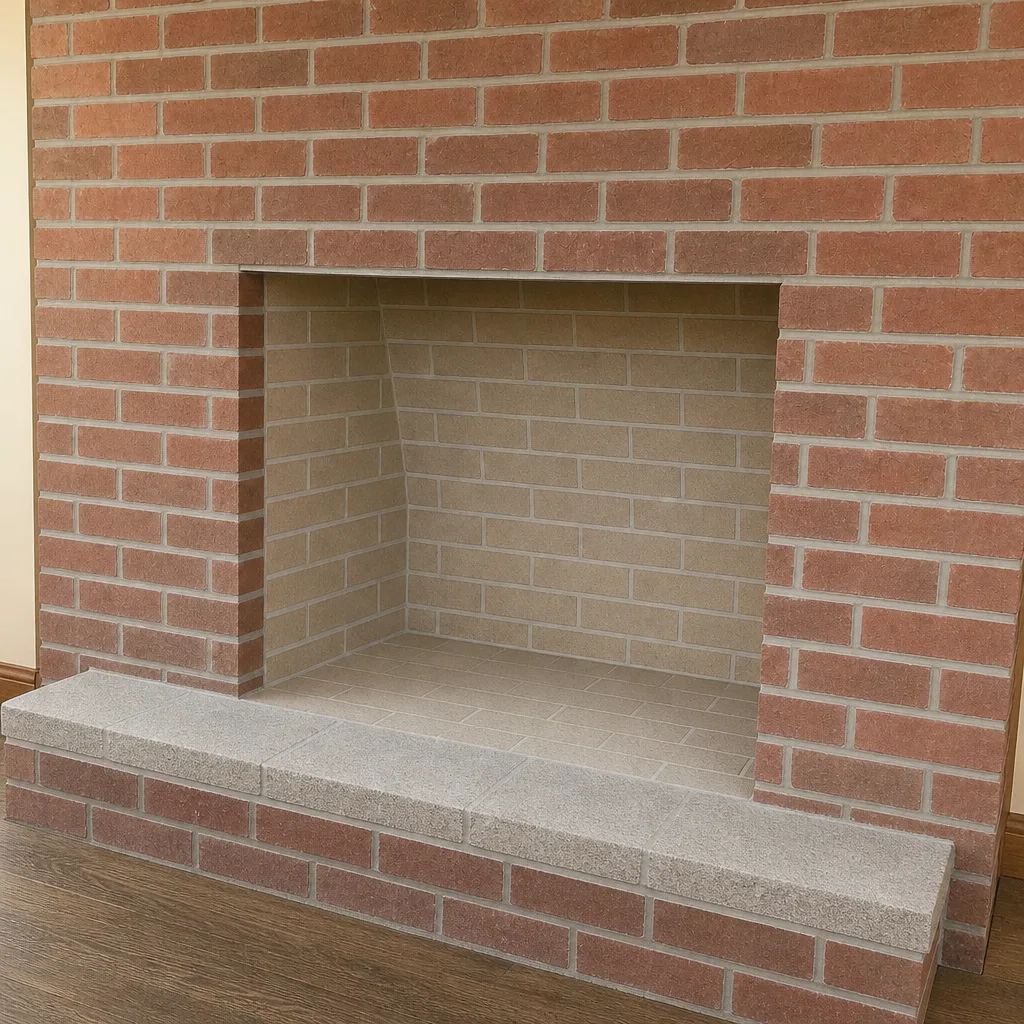 After
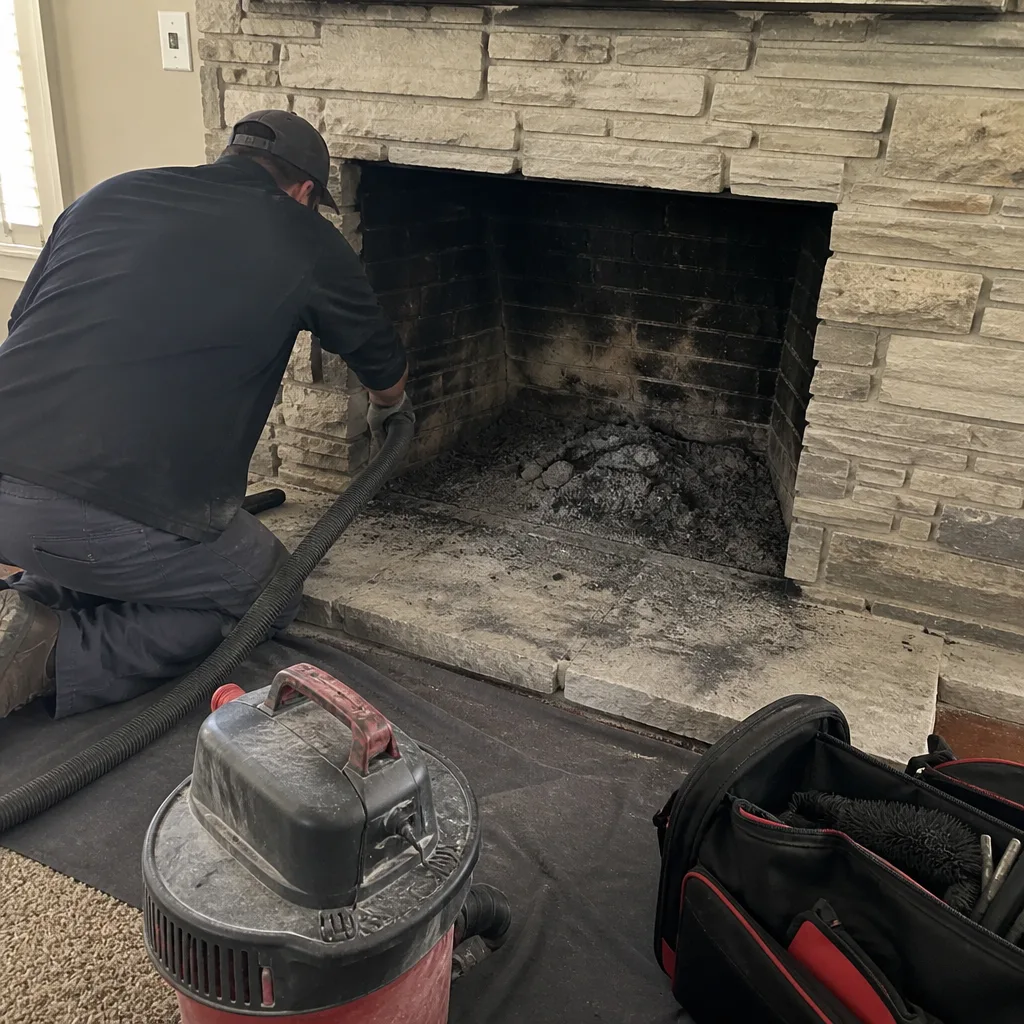
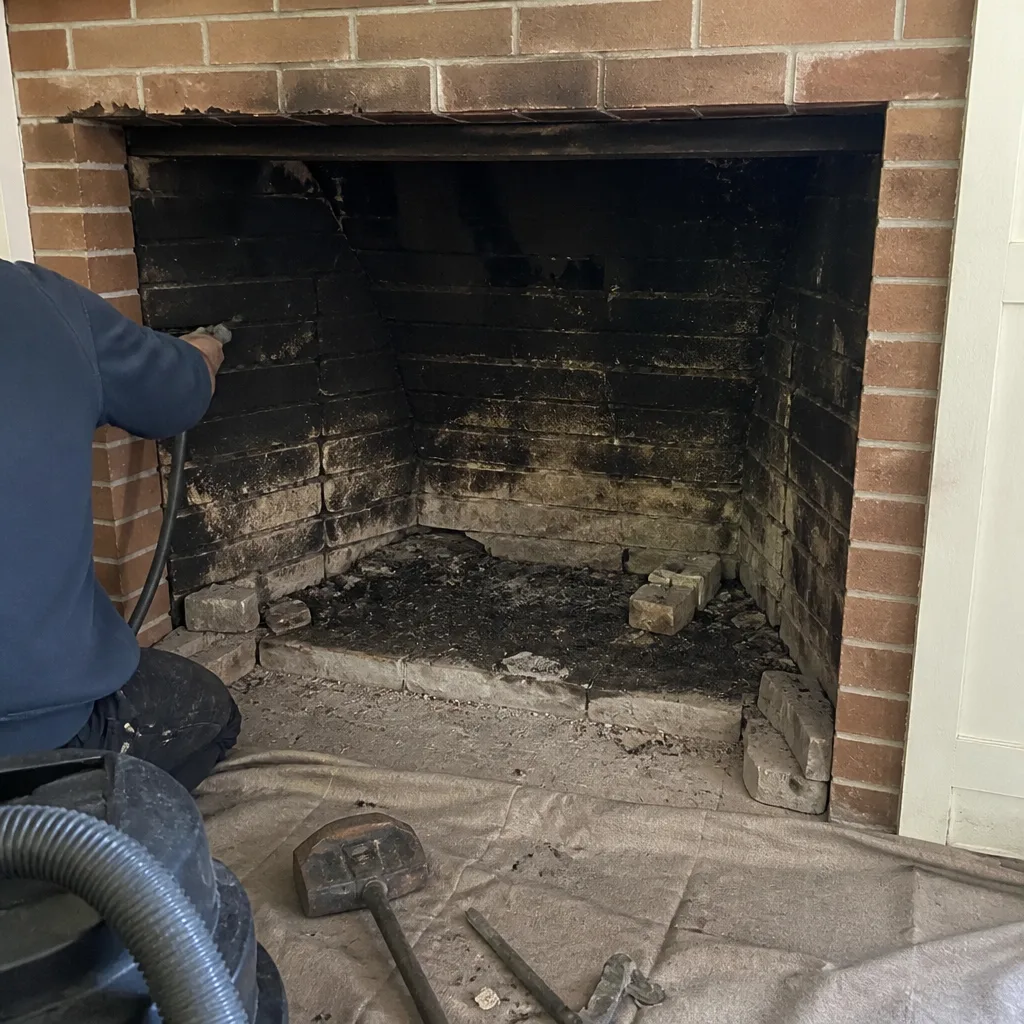 Before
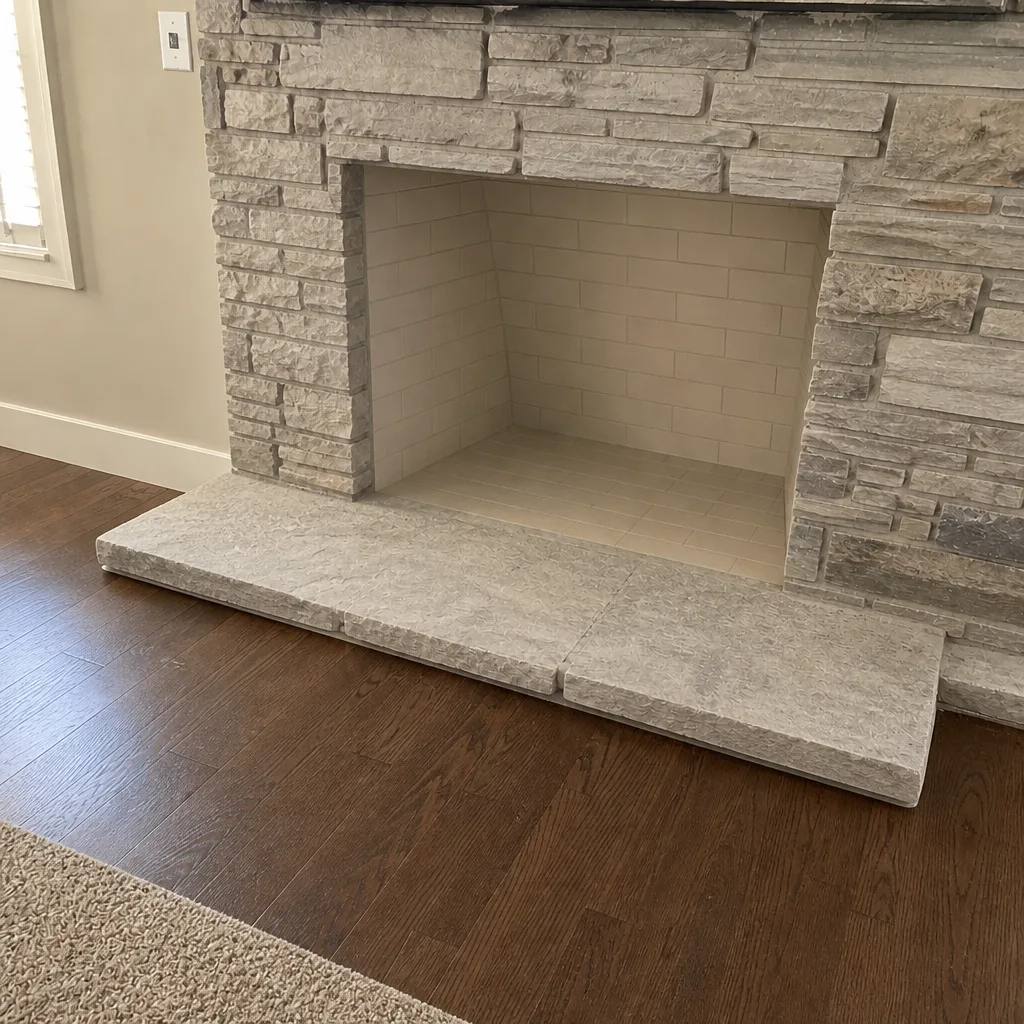
 After
 Before
 After
When to Call a Professional
Call a professional when you need a chimney sweep, when you’re moving into a home with an unfamiliar chimney, when you’ve noticed staining on the exterior brick, when smoke backs into the room while the fireplace is in use, or when a technician has flagged a liner or crown problem that requires repair. All of those are reasons to get a proper inspection and a written scope of work, not to reason it out from a ladder. If you’re in the Indianapolis area and want to know whether your chimney falls on the permit-required side of the line, that’s a question we’re glad to answer during a visit.
Stellar Chimney Cleaning offers free estimates in Indianapolis. Call (888) 560-8179. We answer 24/7. Fast dispatch from 7am to 7pm, Sunday through Friday. You’ll get an honest read on what’s exempt, what needs a permit, and what can safely wait.
Frequently Asked Questions
No. Chimney cleaning and routine maintenance do not require a permit in Marion County. A sweep is maintenance work on an existing system, not construction, so the city doesn’t review it. You should still get a written report of what was found, because that report is often what triggers the permit question if a repair turns out to be needed. Call (888) 560-8179 for a free estimate.
Generally yes. Relining a flue is treated as the installation of a venting system, and it requires a permit through Marion County’s Division of Planning & Zoning in most cases. The permit confirms the liner is correctly specified and the appliance is properly connected. Ask the contractor to confirm the permit requirement for your specific job before work begins. Call (888) 560-8179 to talk through what your chimney needs.
Unpermitted chimney work typically comes up during a home inspection or title search when you’re trying to sell. It can stall a sale until the permit is retroactively obtained, the work is corrected, or the buyers negotiate a credit. It can also complicate an insurance claim if there’s a later incident tied to the work. If you’re buying a home in Indianapolis with a recently relined or rebuilt chimney, ask for the permit history before closing. Call (888) 560-8179 if you’d like a professional read on existing work.
The county inspection confirms the work done under the permit matches the approved scope and meets Indiana Residential Code. It isn’t a condition review of your whole chimney; that’s the professional inspection. The county inspector checks the liner specification, the masonry, and the installation. The professional inspection covers the firebox, flue interior, crown, cap and flashing, and appliance connection. Both matter, and they’re not interchangeable. Call (888) 560-8179 to schedule a professional inspection.
We don’t recommend DIY repair on structural or liner work, and for most homeowners it isn’t a realistic option anyway. Liner installation, flue resizing, and masonry reconstruction carry real risk if done wrong, including carbon monoxide exposure from a compromised flue. The permit process exists to catch those failures. The first step is a professional inspection that tells you what’s actually needed. Call (888) 560-8179 for a free estimate.
Cold winters with freeze-thaw swings do accelerate wear on masonry and clay flue tiles, which is why an annual inspection is a sensible baseline here. Water getting into the crown and the flue is a common source of liner deterioration in this climate. Catching crown cracks early is far less expensive than catching them after the flue has been compromised. Call (888) 560-8179 to book an inspection before the season starts.
The Bottom Line
Chimney cleaning itself is permit-free in Indianapolis, but the repairs it sometimes reveals are not. Relining, crown replacement, firebox reconstruction, and structural masonry work all require a permit through Marion County’s Division of Planning & Zoning, and they have to meet Indiana Residential Code. Unpermitted work doesn’t disappear – it tends to surface during a home inspection or title search, and correcting it retroactively usually costs more than pulling the permit up front. The practical takeaway: get a professional inspection that tells you what’s actually needed, ask the contractor directly about permits before any structural work starts, and plan the timeline so reviewed and inspected work can be completed before the season turns.
Call (888) 560-8179 for a free estimate. We answer 24/7. Fast dispatch from 7am to 7pm, Sunday through Friday – and we’ll lay out exactly what your chimney needs and which parts of the job involve the permit process.
Written by the team at Stellar Chimney Cleaning.