
Last updated November 14, 2026
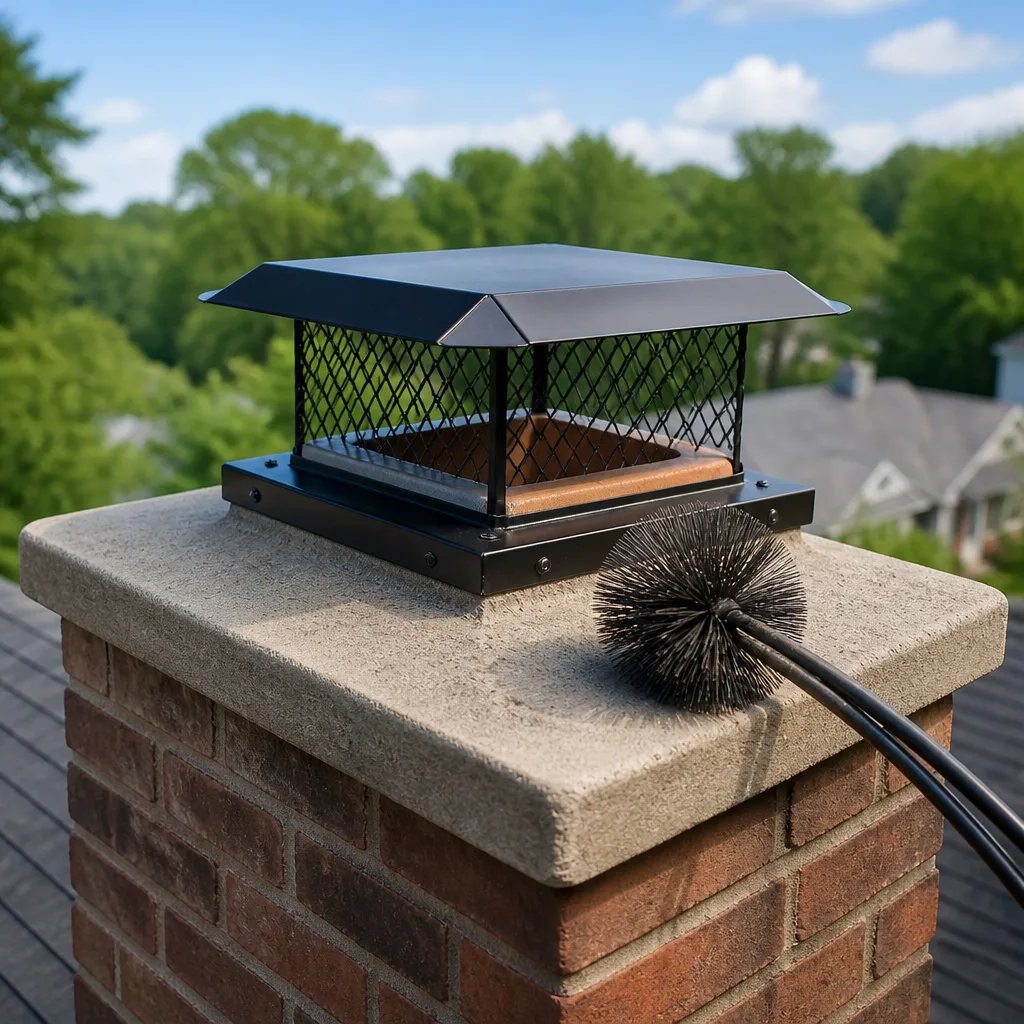 Sweep & inspection
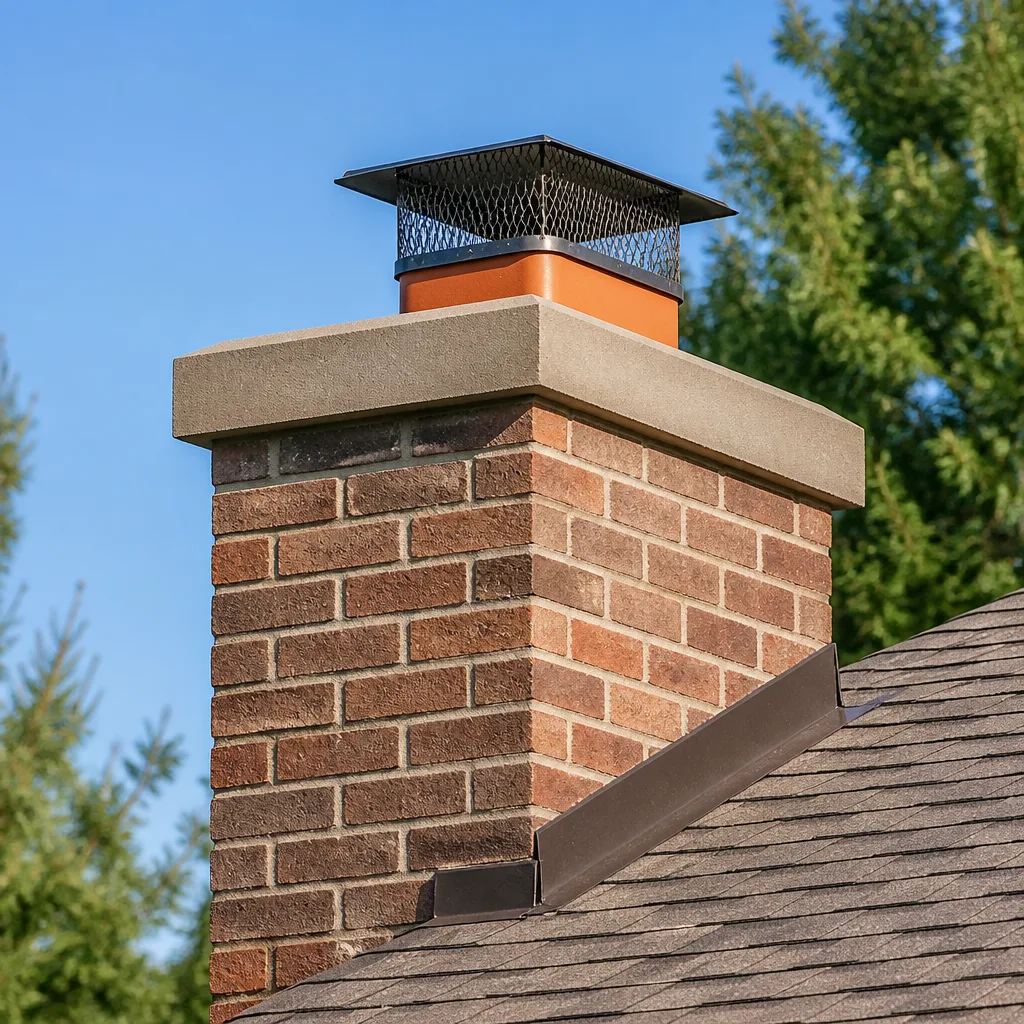 Caps & crowns
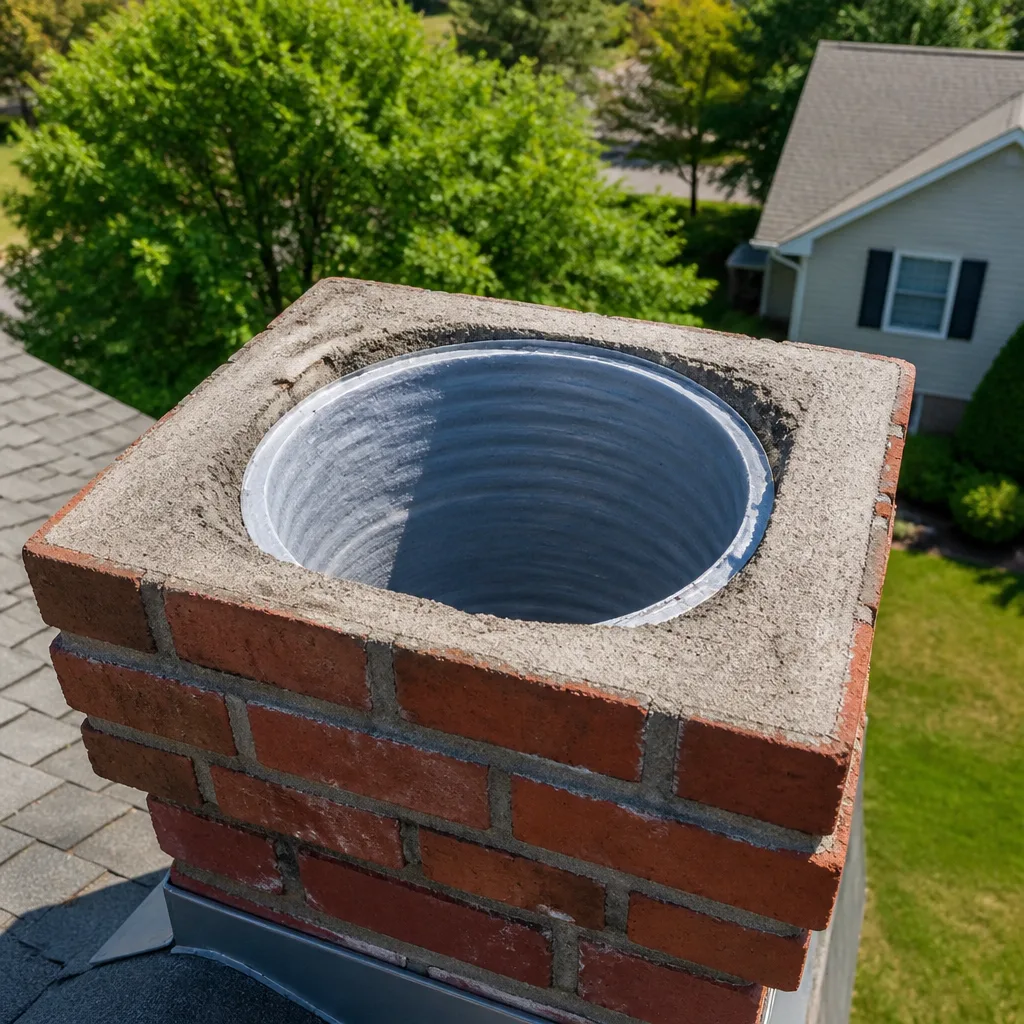 Flue relining
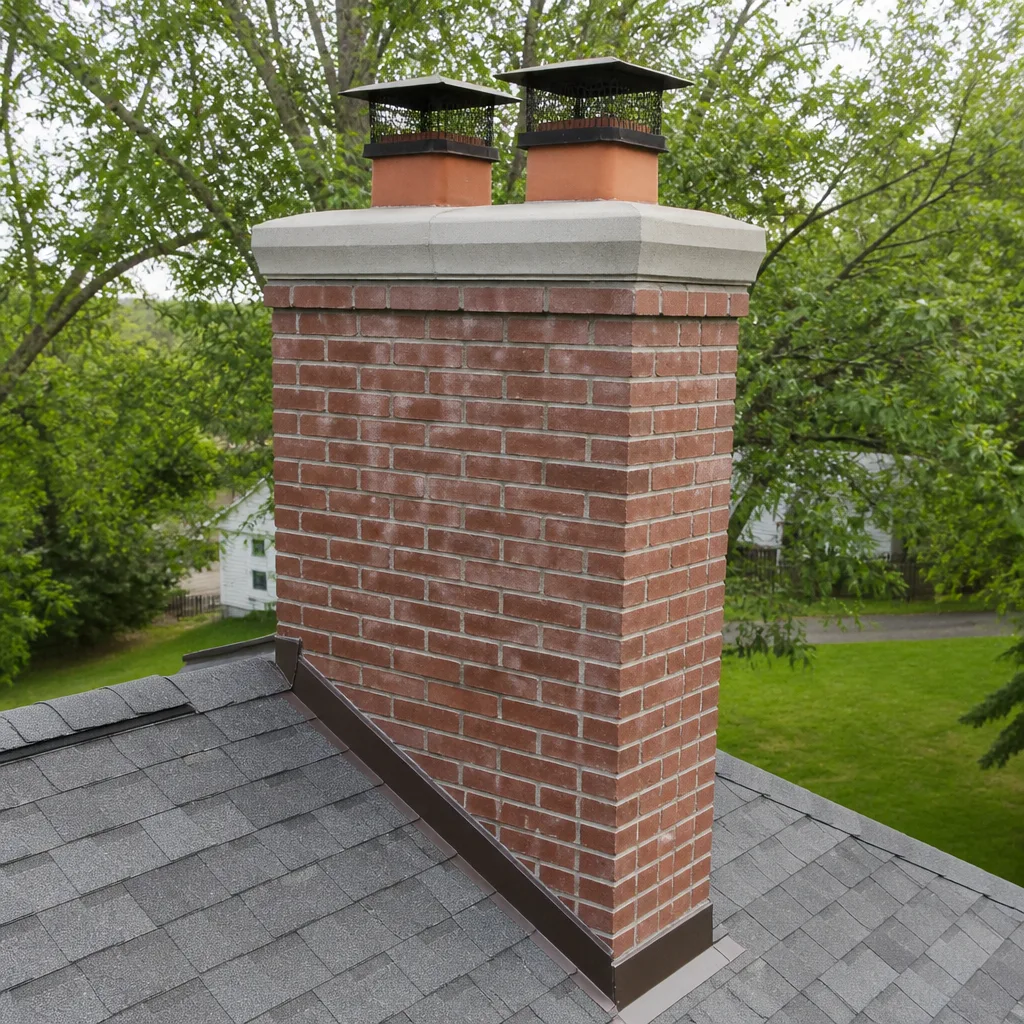 Masonry repair
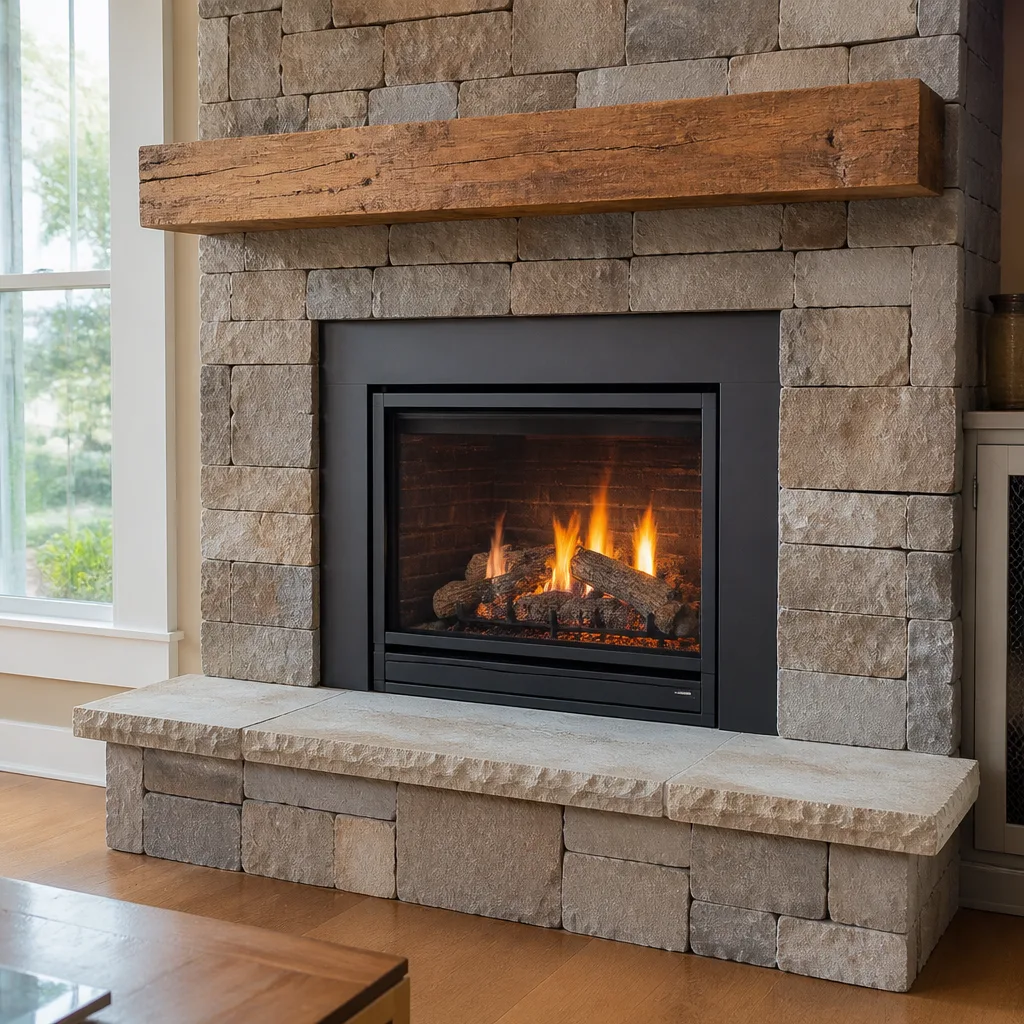 Gas fireplace service
Level 1 sweep and inspection to the NFPA 211 annual standard - flue, crown, cap, and flashing checked and photographed
Chimney sweep logs do not sweep chimneys. They loosen some creosote - which then falls where a brush and vacuum still have to collect it.
Chimney Sweep Maintenance Schedule: What to Do and When
Most chimney advice stops at “sweep it once a year,” and that single line is where trouble starts. A homeowner burning three cords of seasoned hardwood every winter and a homeowner who lights a gas insert a dozen times a season do not have the same chimney, and they should not be on the same maintenance schedule. The annual inspection is a floor, not a ceiling. What you actually need depends on what you burn, how often you burn it, and how old the appliance is. This guide gives Indianapolis homeowners a real calendar built around how they use their fireplace or stove – and what to check in between professional visits.
Quick Answer
Inspect your chimney once a year and sweep it based on use: roughly every cord of wood burned, or every six months for heavy burners (more than three cords a year) and every 12 months for light users of wood fireplaces. Gas inserts still need an annual inspection even though they produce far less creosote, and wood stoves often need sweeping twice a year. In Indianapolis, book the service in September, before the first cold snap fills appointment calendars and before a neglected flue meets its first fire.
Styles & brands we work with
- Sweep & inspection
- Caps & crowns
- Flue relining
- Masonry repair
- Gas fireplace service
Table of Contents
- Why Your Fuel Type Sets Your Schedule
- The Wood-Burning Fireplace Track
- The Gas Insert Track
- The Wood Stove Track
- Why September Beats December in Indianapolis
- Between-Service Checks You Can Do Yourself
- How Burn Habits Move the Cleaning Interval
- What a Level 2 Inspection Means and When It Belongs in the Schedule
Why Your Fuel Type Sets Your Schedule
Every fuel leaves a different deposit, and each deposit builds on its own timeline. That is the whole reason a single “once a year” rule fails. Wood smoke condenses into creosote, a tar-like buildup that starts as a flaky crust and hardens into a glazed layer that is flammable. Gas burns cleaner, so creosote is rarely the issue – but gas inserts still vent moisture and can corrode a flue over time, and a clogged or damaged vent on a gas appliance is a carbon monoxide concern. Wood stoves burn hotter and more consistently than an open fireplace, which changes both how fast deposits form and how much heat the flue metal sees.
When we inspect a chimney in an Indianapolis home, the first questions we ask are about fuel and volume. A homeowner in Meridian-Kessler burning split oak in an open hearth gets a different recommendation than a homeowner in Broad Ripple running a high-efficiency wood stove as a primary heat source. Same city, same winter, very different deposit loads.
- Wood fireplace: creosote-driven, tied to cords burned, annual inspection at minimum.
- Gas insert: moisture and corrosion-driven, annual inspection, sweeping only as needed.
- Wood stove: heavy deposit load, hot flue, often twice-yearly sweeping.
None of this is a hard rule you can apply by fuel type alone. Volume and burn habits refine it, and the sections below break each track down. If you want the professional foundation under all of it, our chimney sweep service covers the inspection and cleaning together so you know exactly where your chimney stands.
The Wood-Burning Fireplace Track
For an open wood-burning fireplace, the industry rule of thumb is simple and useful: sweep for roughly every cord of wood you burn, and inspect once a year no matter what. A cord is a stack 4 feet high by 4 feet wide by 8 feet deep. Most casual fireplace users burn well under a cord a season, which means a single annual sweep and inspection usually keeps them ahead of buildup. A household that loads the grate most nights of the winter might push past a cord without realizing it.
Here is how the wood-fireplace year typically lays out:
- September: annual inspection and sweep before the first fire of the season.
- October through March: burn season, with monthly cap-and-damper checks in between.
- April: a post-season look – after the heaviest use, this is when hidden damage shows up.
- Summer: the natural window for any repair a fall inspection flagged, since the chimney is dry and idle.
Timing repairs in summer matters in Indianapolis because masonry and liner work done in warm, dry weather cures properly and doesn’t compete with the fall rush. If an inspection turns up a cracked flue tile or a failing liner, the repair is safer and easier to schedule in June than in November. Structural work is part of the same visit for us – we clean, diagnose, and repair as one relationship rather than handing you a report and a list of other companies to call. When a liner needs resurfacing rather than full replacement, HeatShield ceramic resurfacing gives us a repair path that extends the life of the existing flue without jumping straight to replacement costs.
The Gas Insert Track
A gas insert does not produce creosote the way wood does, and that fact leads a lot of homeowners to skip maintenance entirely. That’s a mistake. Gas appliances vent water vapor and combustion byproducts, and over time that moisture can corrode a metal flue or degrade a masonry one. The other issue is debris: leaves, birds’ nests, and general grit can block a vent that never gets a fire hot enough to burn them off. A blocked gas flue is a carbon monoxide risk, which is why an annual inspection belongs in the schedule even when the fireplace “looks clean.”
- Annual: inspection of the flue, vent connection, and termination. This is the non-negotiable part.
- As needed: sweeping, usually far less often than a wood fireplace but not never.
- Watch for: yellow rather than blue flame, soot on the logs, a smell when the unit runs, or a pilot that keeps going out.
Those last symptoms point to incomplete combustion or a venting problem, and they’re the reason a gas insert gets checked on a calendar rather than only when something seems wrong. In our experience, a gas insert that hasn’t been looked at in several seasons often has a vent cap full of debris or a slightly loose connection that a quick inspection catches. A Gelco or Famco cap and venting components are the kind of trade-grade parts we use to put the termination right when it needs replacing.
The Wood Stove Track
A wood stove is the hardest-working chimney in the house and should be on the tightest schedule. Stoves run hot and long, often as a primary heat source through an Indianapolis winter, and that means deposit volume climbs fast. A stove used daily through the cold months commonly needs sweeping twice a year – once before the season and once mid-winter – plus the annual inspection on top. A stove used only on weekends can stretch toward a single annual sweep, but the inspection still happens every year.
Wood stoves also put more heat stress on the flue than an open fireplace, so the inspection isn’t just about creosote. We’re checking for warped or cracked components, a failing liner, and the condition of the connector pipe between the stove and the chimney. A stainless liner system built for the job, like a DuraFlex flue liner, is what we’d specify when a stove needs its flue brought up to a safe standard – professional-grade material, not a generic substitute, because a wood stove’s heat is unforgiving of shortcuts.
The practical mid-winter sweep is where a lot of stove owners fall behind. By January, a daily burner can already be carrying a meaningful layer of creosote, and the second half of the season is when it matters most. If you run a stove hard, plan the calendar so a cleaning lands in the middle of the burn season, not just at the edges.
Why September Beats December in Indianapolis
The best time to book chimney service in Indianapolis is September, and it has nothing to do with how the calendar looks on paper. Two things happen in early fall. First, appointment calendars fill as soon as the first cool nights arrive and homeowners start thinking about lighting a fire – by December, scheduling anything is a scramble. Second, and more important, a September inspection happens before the flue has been used hard, which means problems get caught while there’s still time to fix them before the first real fire.
Indianapolis winters are cold enough that most fireplaces see steady use from November into March. A chimney that was last swept two seasons ago has had a full season of deposits sitting on the walls, potentially glazing and hardening. Creosote that has glazed is harder to remove, and a heavy glazed layer is exactly the condition that feeds a chimney fire. Scheduling in September gives you a clear picture of the flue before it’s asked to perform.
The seasonal rhythm looks like this:
- Late summer into early fall: the ideal window for inspection and sweep – before the rush, while the weather is still workable.
- First cold snap: demand spikes, and available appointments tighten across the metro.
- Mid-winter: mid-season sweep for heavy wood-stove users only.
- Spring: a good checkpoint for repairs flagged in the fall, before summer heat and humidity.
One more Indianapolis-specific note: our climate swings. Warm spells in the middle of winter followed by hard freezes are normal here, and that freeze-thaw cycling is tough on masonry. A fall inspection that catches a hairline crack before winter sets in is far cheaper than a spring repair after water has worked its way in. If you’re near Indianapolis and haven’t had the chimney looked at this season, September is the moment.
Between-Service Checks You Can Do Yourself
Professional service is the backbone of the schedule, but the months in between are where small problems either get caught early or quietly grow. These checks don’t replace an inspection and they don’t involve opening anything dangerous – they’re visual and simple. Keep a short monthly log so you can spot changes over time.
The monthly self-check:
- Look at the cap from the ground. A missing or damaged cap lets rain, birds, and debris into the flue. Check it with binoculars after any storm.
- Work the damper. It should open and close smoothly. A damper that sticks or won’t seal is a sign of rust or debris.
- Shine a light up the flue. With the damper open, look for obvious blockage – a nest, a fallen chunk of masonry, heavy soot. Don’t reach in; just look.
- Note any smell when the fireplace isn’t in use. A smoky smell on a warm day often means a blockage or a draft problem.
- Check the firebox for cracks. Hairline cracks in the brick or mortar are worth flagging for the next inspection.
Log the date and what you saw each month. Over a season, that log tells you whether a crack is stable or spreading, and it gives whoever inspects the chimney a real history to work from. Leave actual cleaning and any work inside the flue to a trained professional – the inside of a chimney is not a do-it-yourself space.
How Burn Habits Move the Cleaning Interval
Two households can burn the same number of cords and end up with very different chimneys, because how you burn matters as much as how much. The biggest single factor is wood moisture. Dry, seasoned wood – split and stacked for a season so it’s ready to burn – produces far less creosote than green or unseasoned wood, which sends more water vapor and unburned material up the flue. Wet wood is the fastest way to glaze a chimney.
The second factor is fire style. Short, hot fires burn cleaner and leave less deposit than long, smoldering ones. A fire that’s choked down to smolder overnight sends cool smoke up a cool flue, and cool smoke is what condenses into creosote. If you’re in the habit of banking a fire and letting it smolder for hours, your chimney builds deposit faster than the same volume of wood burned hot.
Put together, the habits shift the interval like this:
- Dry wood, hot fires, moderate use: annual sweep holds.
- Dry wood, hot fires, heavy use (3+ cords): every six months.
- Green or wet wood, or long smoldering fires: every six months regardless of volume.
- Wood stove run hard as primary heat: twice a year plus the annual inspection.
The practical takeaway is to buy and store wood so it’s dry when you need it, and to burn hotter, shorter fires rather than long smoldering ones. Those two changes alone can keep a light user safely on an annual schedule – and they’re free.
What a Level 2 Inspection Means and When It Belongs in the Schedule
Not every inspection is the same, and the difference matters. A basic annual check – what’s called a Level 1 inspection – is a visual look at the readily accessible parts of the chimney during routine service. A Level 2 inspection goes further: it examines the entire flue, including parts not visible from the firebox, often with a camera, and it’s the inspection you want whenever something has changed or something has happened.
A Level 2 inspection belongs in the schedule in these situations:
- After any chimney fire, even a small one you think went out on its own.
- Before or during a home sale, when the condition of the chimney needs to be documented.
- After a storm or an earthquake, or any event that could have shifted or cracked the flue.
- After a change in appliance, such as switching to a new insert or stove.
- When you move into a home and don’t know the chimney’s history.
We use camera inspection and provide a photo report so you can see exactly what we see. That matters because the biggest worry homeowners have is being told they need expensive liner or masonry work they have no way to verify. You shouldn’t have to take that on faith. If the camera shows a sound flue, we say so – and if work can safely wait, we tell you that too. Nothing gets recommended without evidence you can look at yourself.
That’s also where repair capability changes the schedule. A sweep-only company hands you a report and sends you looking for someone else to do the fix. Because we handle Stellar Chimney Cleaning as a full-system service, the diagnosis and the repair happen in the same place. Whether it’s a liner resurfaced with HeatShield or a component replaced with a trade-grade part, the fix is built to last, not just to pass inspection.
Common Mistakes to Avoid
- Treating “once a year” as a fixed rule for everyone. A heavy wood-stove user and a light gas-insert user need different schedules. Applying the same interval to both is how one chimney gets neglected and the other gets over-serviced.
- Skipping the gas insert because it “looks clean.” Gas doesn’t build creosote, but it does vent moisture and can attract debris. A blocked gas flue is a carbon monoxide hazard, and an annual inspection is how you catch it.
- Waiting until December to book. In Indianapolis, appointment demand spikes with the first cold snap. Booking in September means your chimney is checked before the season, not after a problem shows up.
- Burning wet or green wood to stretch the woodpile. Unseasoned wood is the fastest route to glazed creosote and a shortened cleaning interval. Season your wood before you burn it.
- Choking the fire down to smolder overnight. Long, cool, smoldering fires send cool smoke up a cool flue, and that’s exactly what condenses into creosote. Hotter, shorter fires burn cleaner.
- Assuming a chimney fire always announces itself. Some are loud, but slow, smoldering chimney fires can go unnoticed. If you suspect one, a Level 2 inspection belongs in the schedule right away.
- Ignoring the dryer vent. Your dryer vent is a chimney too – it carries heat and lint out of the house, and it needs cleaning on its own schedule. Household exhaust-fire risk isn’t limited to the fireplace.
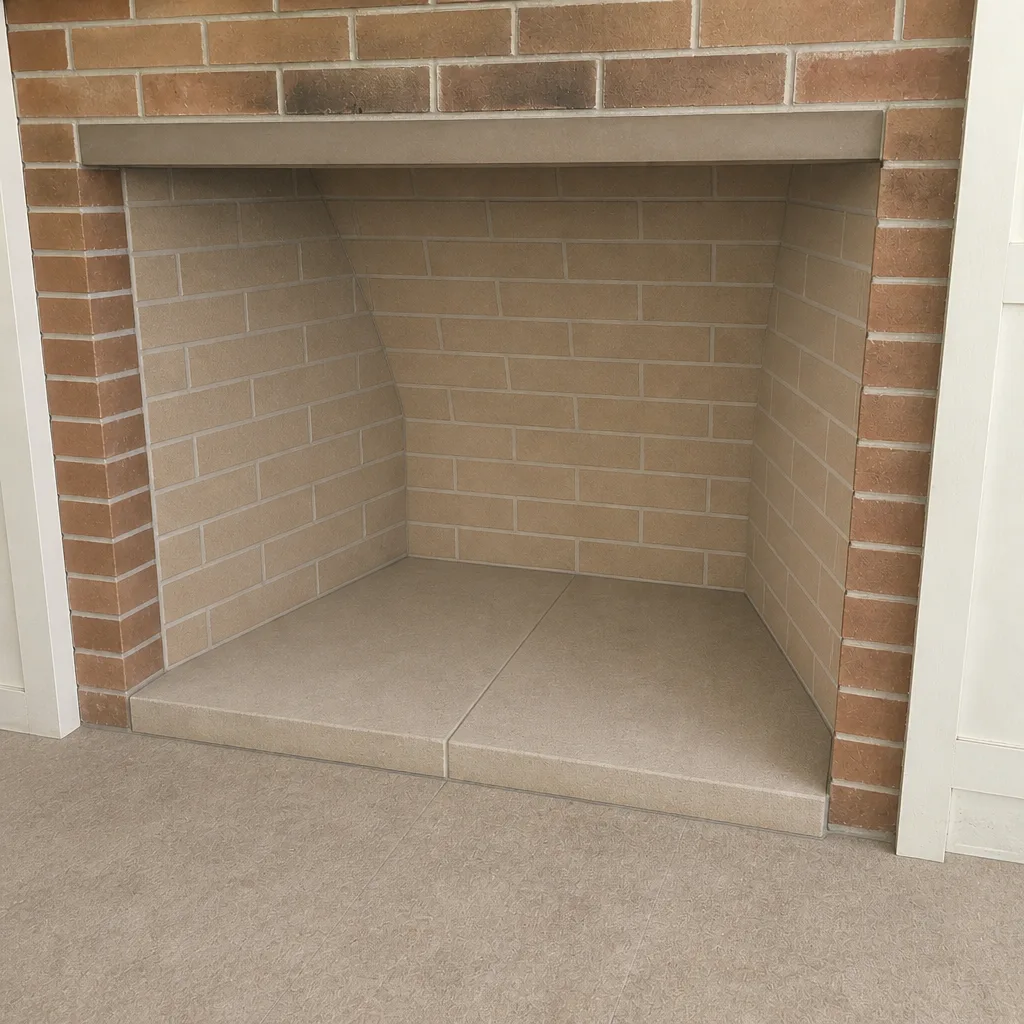
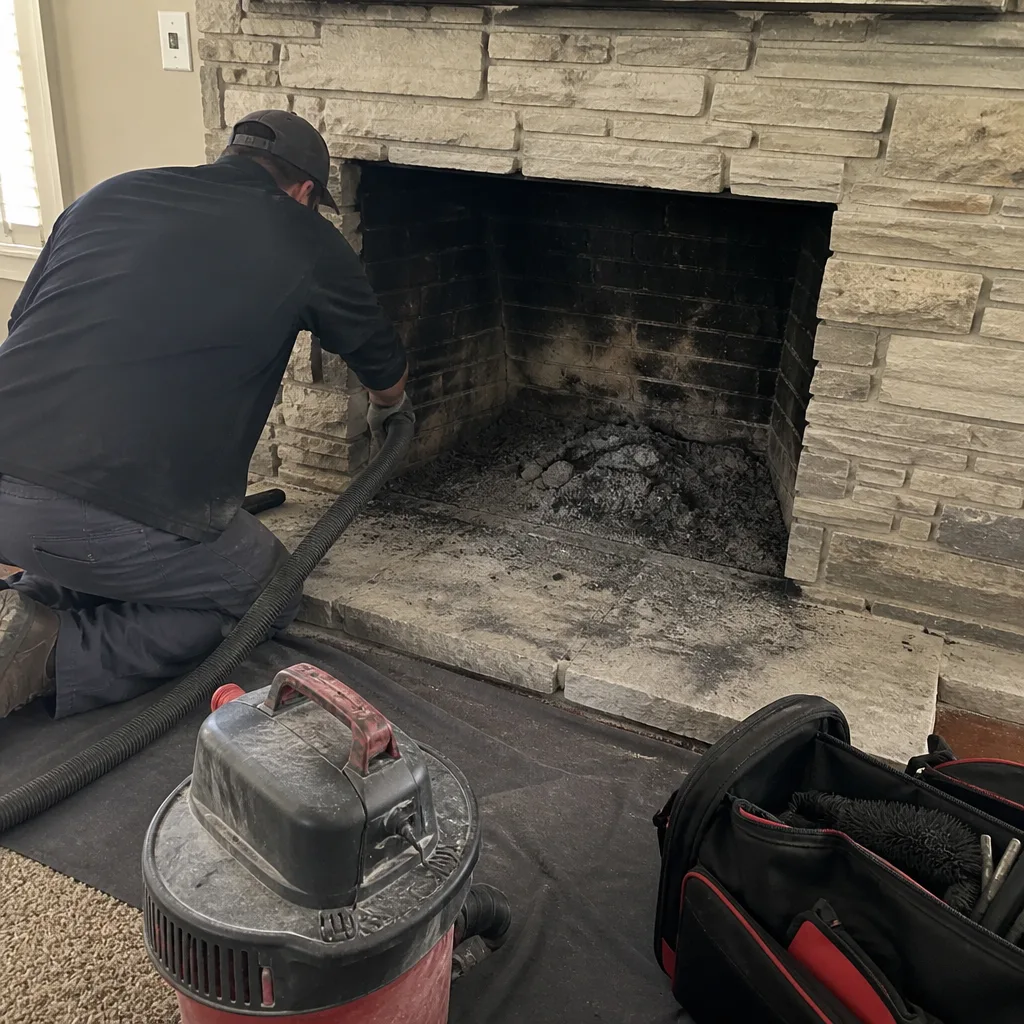
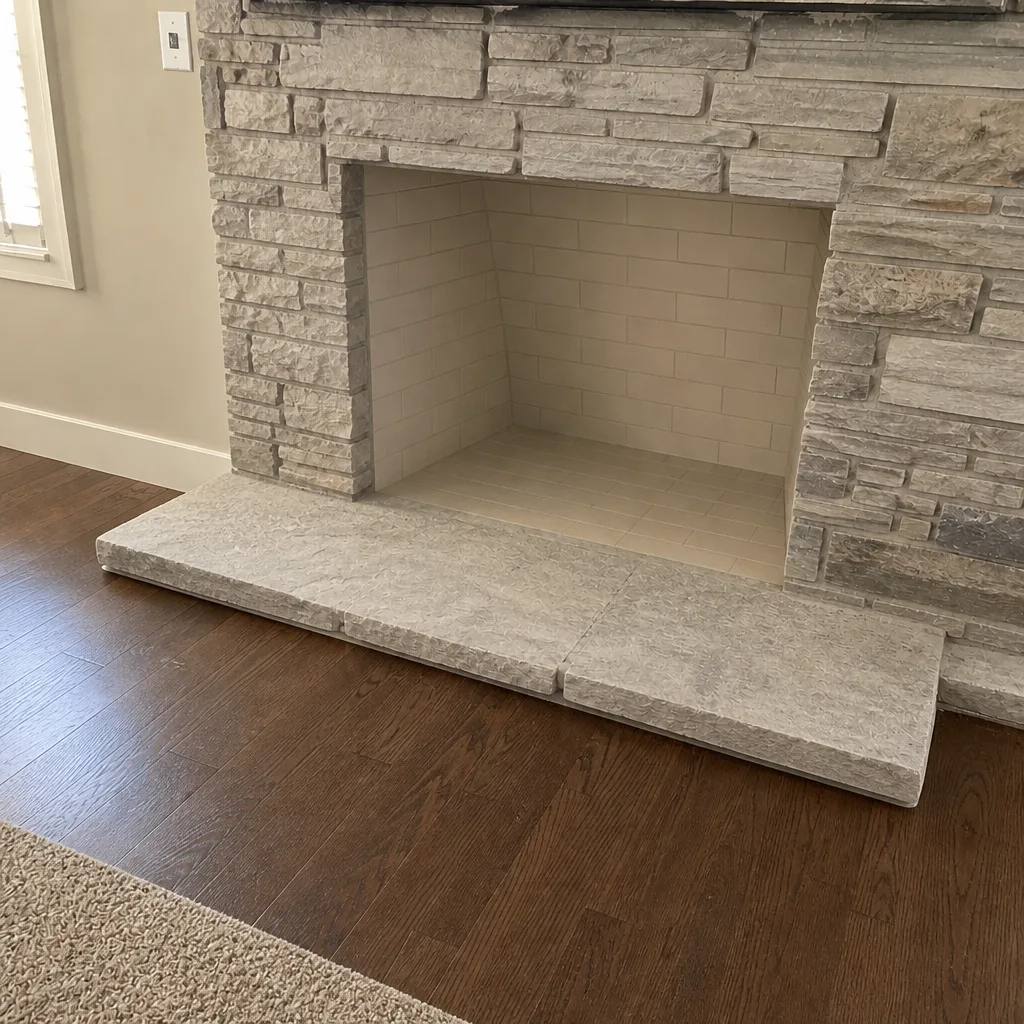
See the difference
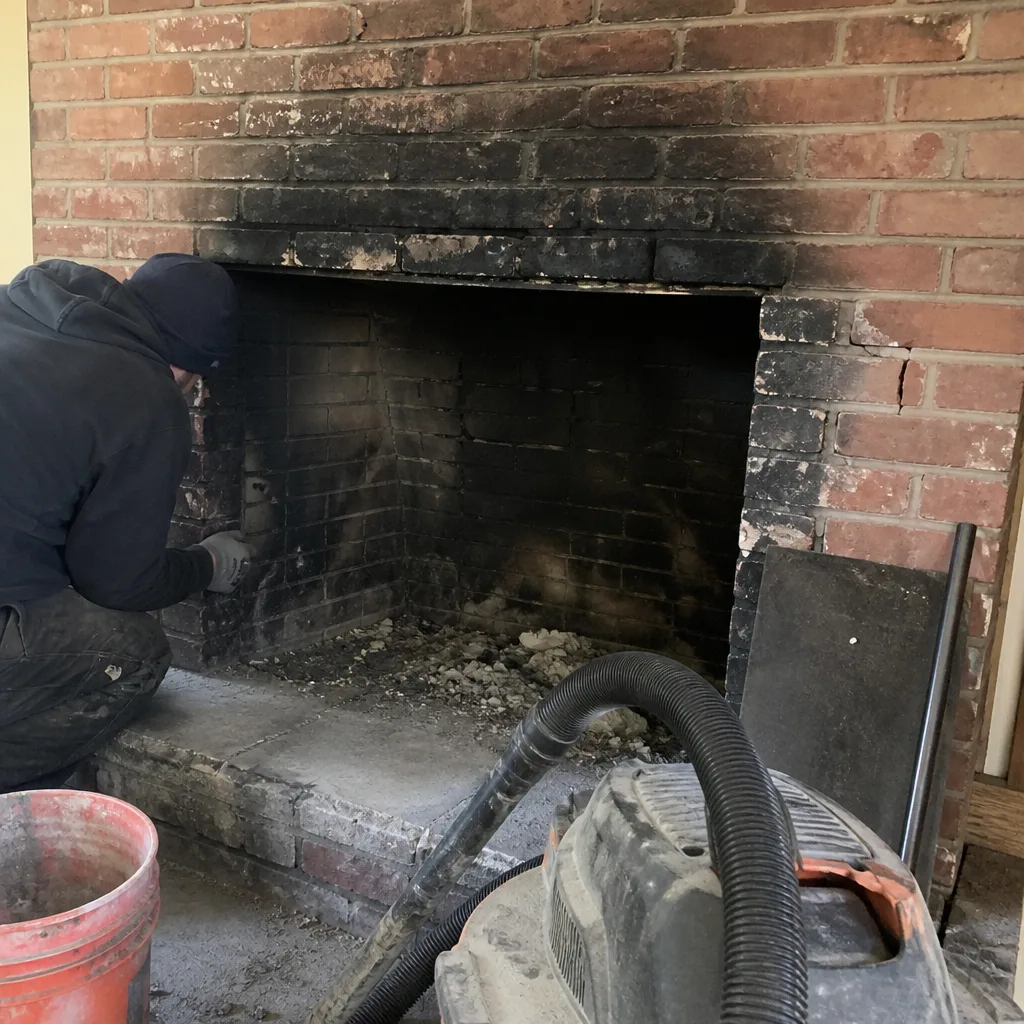 Before
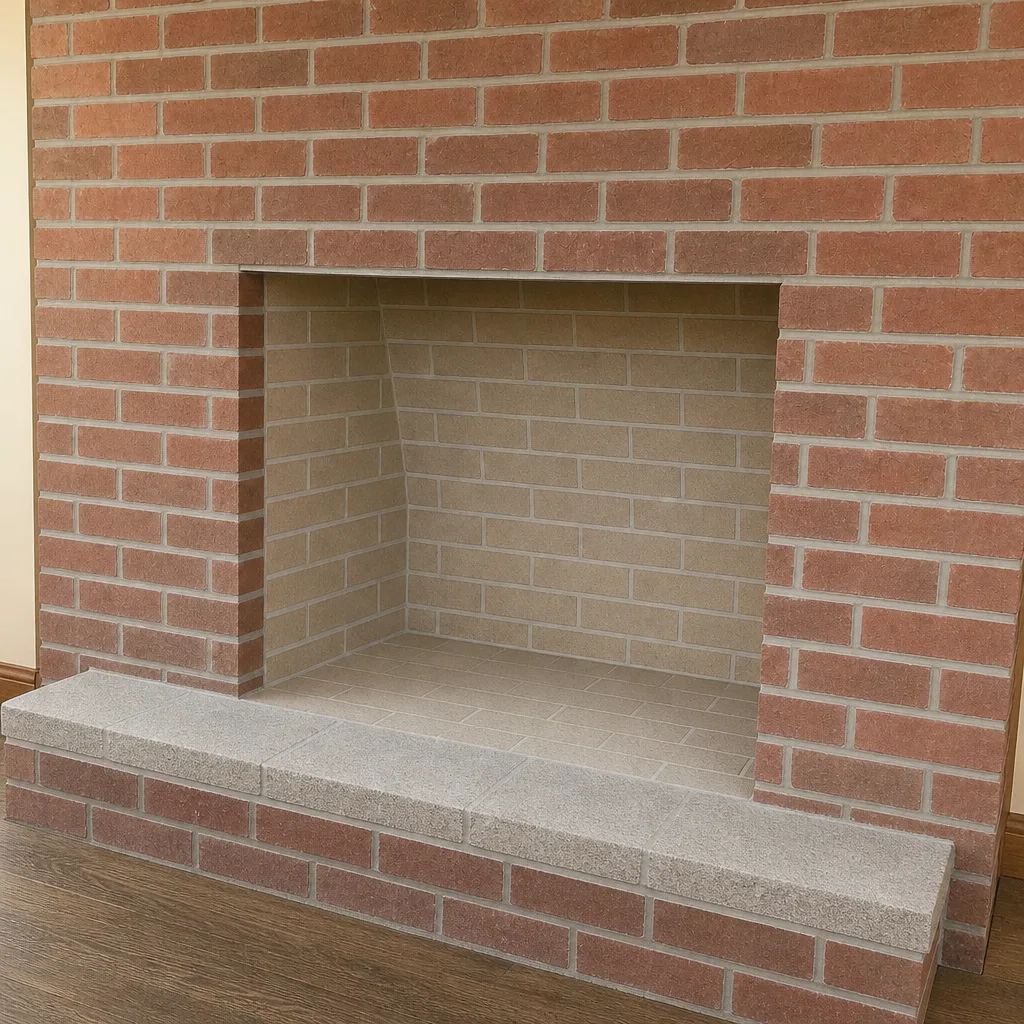 After
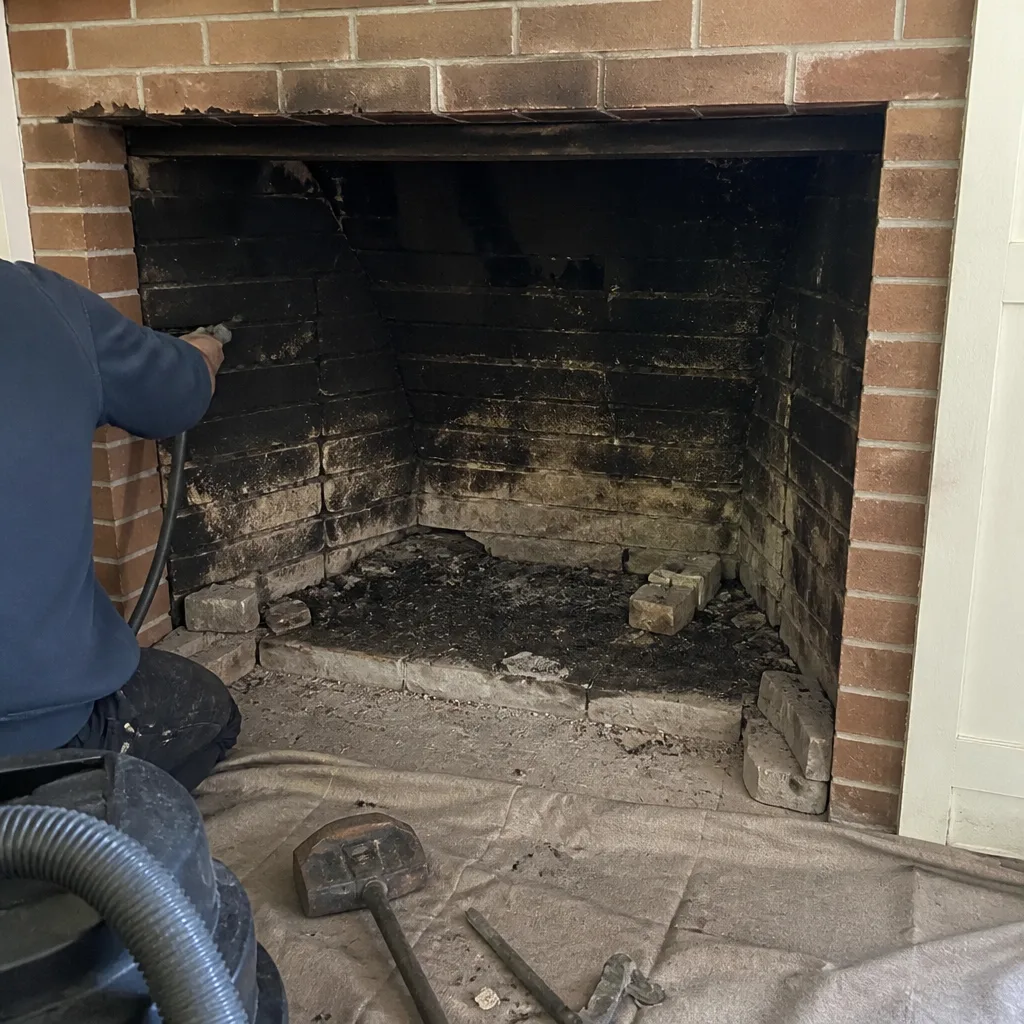 Before
 After
 Before
 After
When to Call a Professional
Some things you check yourself; some things you call for. Call a professional if you smell smoke in the house when the fireplace isn’t running, if the damper sticks or won’t seal, if you see cracked or crumbling masonry in the firebox, or if there’s any sign of a chimney fire – a loud roar, a shower of sparks, or a strong creosote smell after a burn. Call before the first fire of the season if the chimney hasn’t been inspected in over a year, and call right away if a storm has left debris on the roof or you suspect the cap is damaged. None of this is a do-it-yourself job inside the flue; the inside of a chimney is a trained-professional space.
Stellar Chimney Cleaning offers free estimates in Indianapolis – call (888) 560-8179. We answer 24/7, and fast dispatch runs from 7am to 7pm, Sunday through Friday. A call outside dispatch hours is booked into the next opening. dryer vent cleaning is part of the same visit if you want the whole exhaust system looked at while we’re there.
Frequently Asked Questions
Inspect once a year and sweep based on use: roughly every cord of wood, every six months for heavy burners or anyone burning wet wood, and twice a year for a wood stove run as primary heat. Gas inserts still need an annual inspection even without heavy creosote. The right interval depends on fuel type and burn habits, not a single fixed rule. Call (888) 560-8179 for an exact recommendation – estimates are free.
Not every failing flue needs a full liner replacement. HeatShield ceramic resurfacing can restore a damaged flue in many cases, which extends the chimney’s life without automatic full-replacement costs. The only way to know which path is right is a camera inspection, and we provide a photo report so you can see the evidence for yourself. Nothing is recommended without proof you can look at. Call (888) 560-8179 for an exact quote – estimates are free.
Creosote builds up on the flue walls, and once it glazes and hardens it’s harder to remove and more of a fire risk. A neglected gas flue can also collect debris that blocks venting. In the worst case, a heavy glazed layer feeds a chimney fire. Skipping a season or two doesn’t always mean damage, but it does mean the next inspection has more to catch. Call (888) 560-8179 for an exact quote – estimates are free.
A Level 2 inspection examines the entire flue, often with a camera, and belongs in the schedule after a chimney fire, during a home sale, after a storm, after a change in appliance, or when you move into a home with an unknown chimney history. Pricing is set per job by a written estimate, so call (888) 560-8179 for an exact quote – estimates are free.
Yes. Dryer vent cleaning is a core service, and it’s a natural addition to a chimney visit because both are exhaust systems carrying heat and combustion byproducts out of the house. Lint buildup in a dryer vent is a fire risk on its own, separate from the fireplace. Call (888) 560-8179 for an exact quote – estimates are free.
September is the ideal month: it’s before the first cold snap fills appointment calendars, and it gives you a clear picture of the flue before the burn season starts. A September inspection also catches masonry problems while warm, dry weather still allows repair work. Call (888) 560-8179 for an exact quote – estimates are free.
The Bottom Line
The annual inspection is the floor, not the ceiling. Build your schedule around what you burn and how hard you burn it: an annual sweep for a light wood fireplace, every six months for heavy use or wet wood, twice a year for a hard-worked wood stove, and an annual inspection for a gas insert even when it looks clean. Do the simple monthly self-checks, burn dry wood in hot fires, and book in September rather than December. A Level 2 inspection belongs in the schedule after any chimney fire, home sale, or storm. Get the whole system looked at by one company – chimney, dryer vent, and repair – so an issue gets found and fixed in one place. Call (888) 560-8179 for a free estimate. We answer 24/7. Fast dispatch from 7am to 7pm, Sunday through Friday.
Written by the team at Stellar Chimney Cleaning.