
Last updated November 14, 2026
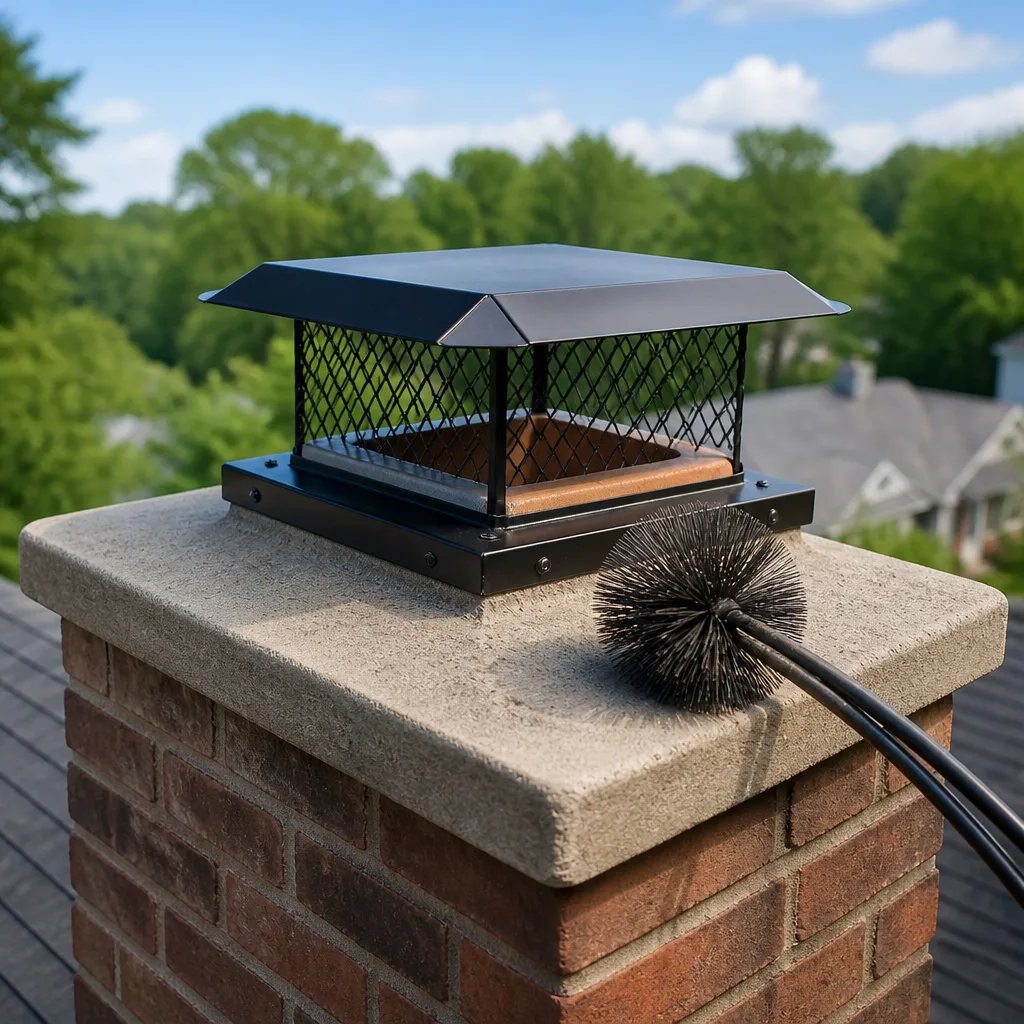 Sweep & inspection
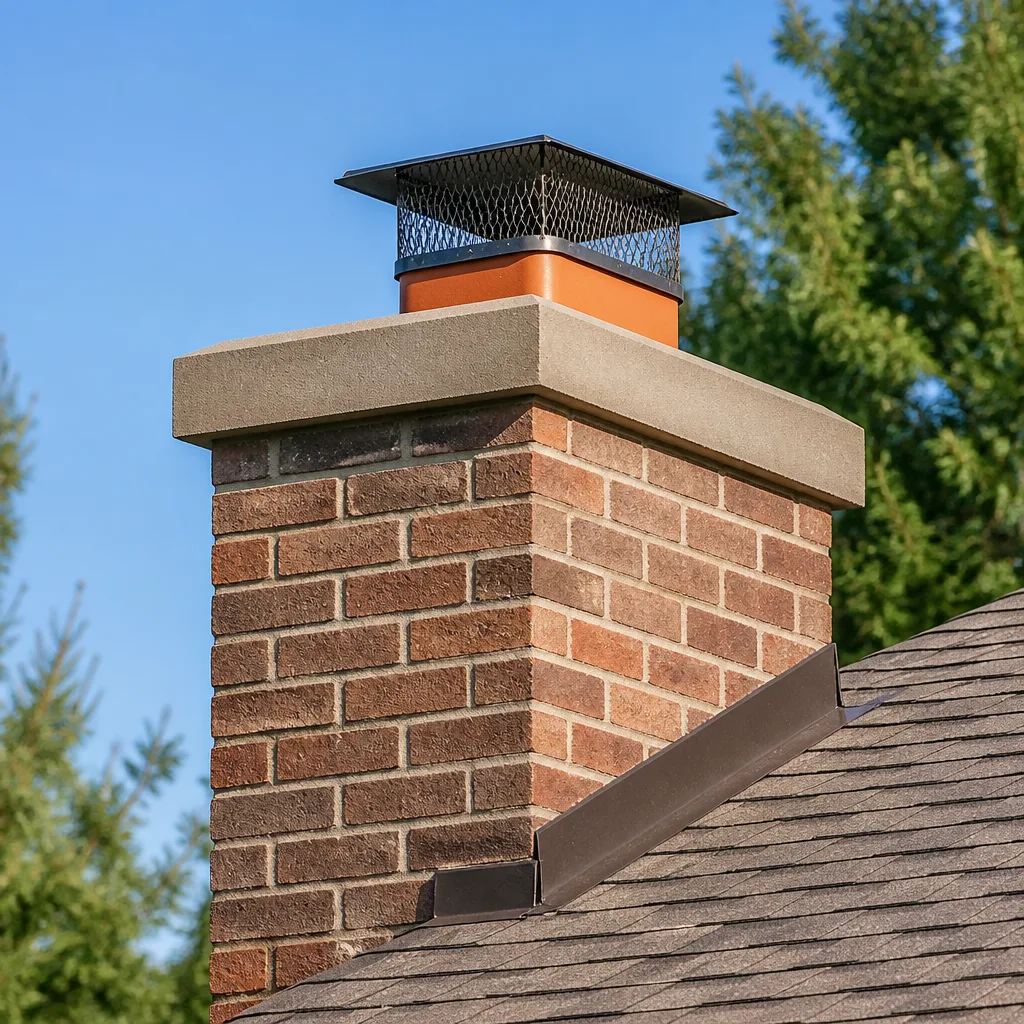 Caps & crowns
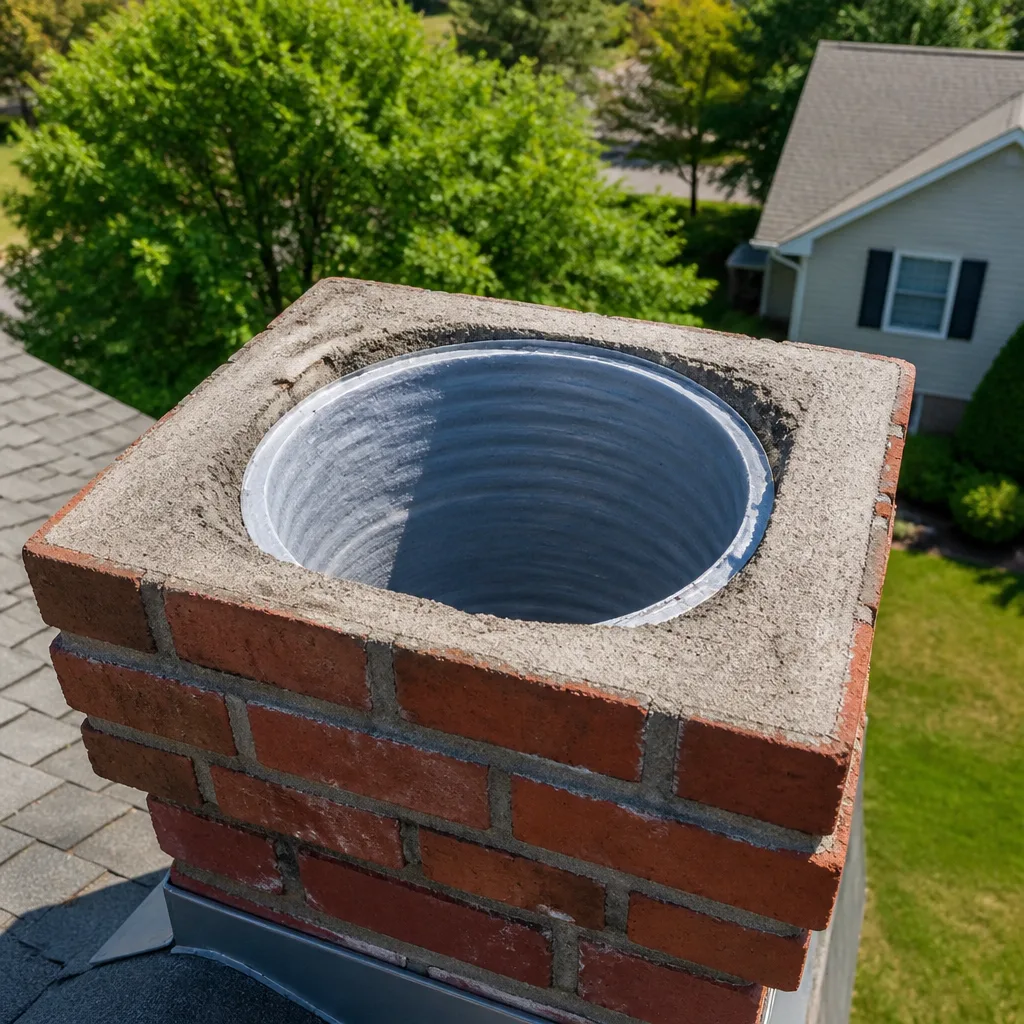 Flue relining
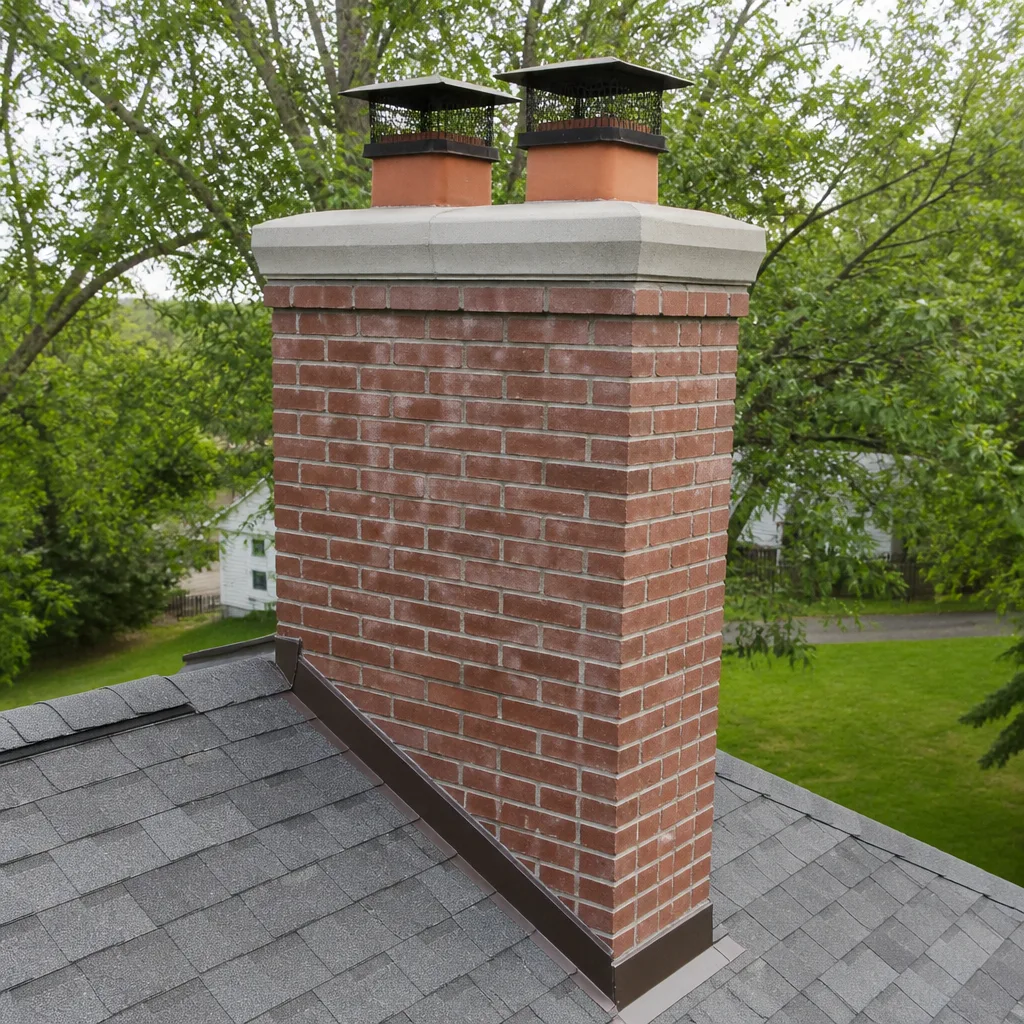 Masonry repair
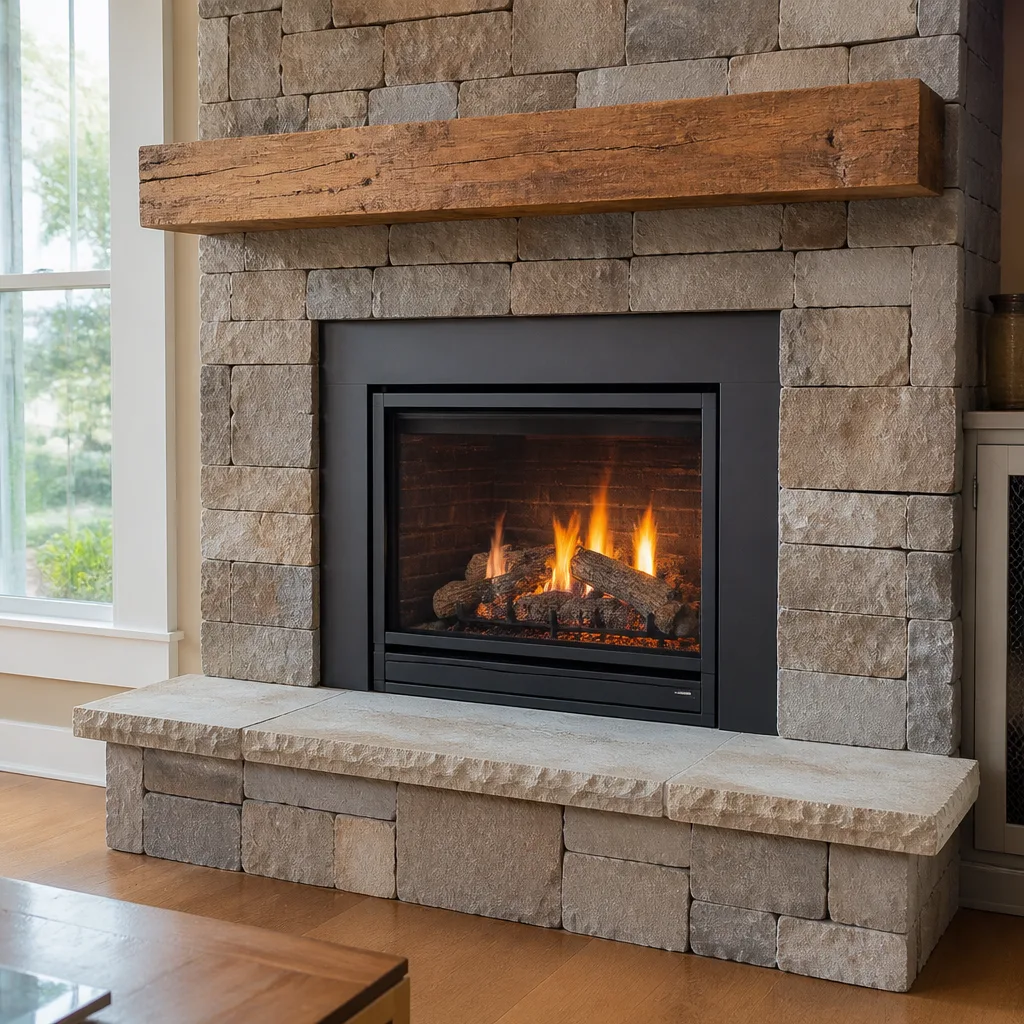 Gas fireplace service
Level 1 sweep and inspection to the NFPA 211 annual standard - flue, crown, cap, and flashing checked and photographed
Chimney sweep logs do not sweep chimneys. They loosen some creosote - which then falls where a brush and vacuum still have to collect it.
Chimney Sweep Troubleshooting in Indianapolis: Common Problems and How to Fix Them
If your chimney smoked you out last winter, the fix probably wasn’t a cleaning, it was a diagnosis that never happened. Most homeowners in Indianapolis assume a smoky fireplace means the flue is dirty, so they book a sweep, the sweep happens, and the smoke comes back the first cold night. The truth is that smoke rollback, persistent odor, and fires that struggle to catch are three different symptoms pointing at three different failure points, and none of them is reliably solved by brushing alone. This guide maps each symptom to its likely cause so you can stop guessing before you call anyone.
Quick Answer
Most chimney problems in Indianapolis trace back to one of four causes: a blocked or undersized flue, a damaged liner or cap, a throat damper that no longer seals, or creosote buildup at a specific stage. Smoke rollback usually points to a drafting or pressure problem, odor usually points to creosote or moisture, and slow-starting fires usually point to a blocked or cold flue. A camera inspection is the only way to confirm which one you’re dealing with.
Styles & brands we work with
- Sweep & inspection
- Caps & crowns
- Flue relining
- Masonry repair
- Gas fireplace service
Table of Contents
- Symptom-to-Cause Map: What Your Chimney Is Telling You
- Why Smoke Rolls Back Into the Room
- Persistent Odor: Creosote, Moisture, or Something Else?
- Slow-Starting Fires and Weak Draft
- How Indianapolis Freeze-Thaw Cycles Damage Masonry
- Cleaning Issue, Repair Issue, or Structural Issue?
- The One Safe DIY Check and What Requires a Pro
- Why Fixing Symptoms Causes Repeat Calls
Symptom-to-Cause Map: What Your Chimney Is Telling You
A chimney rarely fails silently. It gives you signals long before anything dramatic happens, and learning to read those signals is the difference between a small repair and a major one. In our experience across Indianapolis, the symptoms homeowners describe fall into predictable buckets, and each bucket narrows the list of suspects considerably.
Here’s how the mapping works:
- Smoke rolls back into the room – likely a pressure imbalance, a flue that’s too short or too narrow for the firebox, a closed or partially closed damper, or a blocked cap.
- Persistent odor, especially in warm weather – creosote at the third-degree stage, moisture absorbed into masonry, or a flue that’s drawing air backward on mild days.
- Fires start slowly or struggle to catch – cold flue, insufficient draft, a partially blocked flue, or wet wood.
- Crumbling mortar or flaking brick – freeze-thaw damage, water infiltration, or both, and often mistaken for a drafting problem.
- Visible staining or rust on the exterior – a cap or flashing failure letting water in, or a liner that’s degraded.
The reason this matters is that three of those five symptoms can only be confirmed with a camera scope. A brush tells you how much soot came down. A camera tells you what the flue looks like at every foot. That distinction is at the heart of everything below.
Why Smoke Rolls Back Into the Room
Smoke rollback is a pressure problem before it’s a cleaning problem. Smoke goes where pressure sends it, and if the pressure inside your flue isn’t stronger than the pressure in the room, smoke spills into the room no matter how clean the flue is. Indianapolis homes run into this more than people expect, especially in newer tightly sealed houses where exhaust fans pull more air out than the building can replace.
Walk through the likely causes in this order:
- Check the damper first. A damper that won’t open fully, or that’s stuck because the linkage has rusted, is the single most common cause of rollback and the easiest to rule out.
- Look at the cap. A clogged screen, a bird nest, or a cap installed too close to the flue opening restricts exhaust. Gelco and Famco caps are common on Indianapolis roofs, and both can clog if they’re the wrong size for the flue.
- Consider the flue’s dimensions. A masonry flue that’s too large for the firebox never warms up enough to establish draft. An oversized flue on an open fireplace is a classic winter complaint here.
- Check the house itself. Kitchen exhaust, bathroom fans, and dryer vents pulling air simultaneously can overcome a marginal flue. If the smoke only appears when the kitchen hood is running, you’ve found your answer.
- Look at the chimney height. A chimney that doesn’t extend far enough above the roof line, or that sits near a taller roof section, can fall into a pressure zone that saps its draft.
If the flue checks out and the fire still smokes, a full-system diagnosis is the next step. Sometimes the answer is a liner that’s underperforming, and sometimes it’s a firebox that needs resurfacing to restore proper geometry. HeatShield ceramic resurfacing is one option we work with when the flue is structurally sound but the interior surface has broken down enough to disrupt flow.
Persistent Odor: Creosote, Moisture, or Something Else?
Chimney odor that shows up in summer is almost always creosote reacting to heat and humidity. The same deposit that sits quietly in winter starts to smell when the outdoor temperature rises and the chimney no longer draws air up and out. If you’ve ever walked past your fireplace in July and caught a whiff of something smoky and sour, that’s the mechanism.
The severity depends on the creosote stage:
- Stage one – light, flaky soot. Manageable with a routine sweep, and the smell is usually mild.
- Stage two – crusty, brittle deposits. Requires more aggressive sweeping and often a second pass.
- Stage three – glazed, hardened creosote that looks like tar. This stage is a fire hazard and needs professional removal with specific tools, not a homeowner brushing at it.
Moisture is the other frequent culprit. A cap that’s failed, flashing that’s separated, or a crown with cracks lets water into the masonry. Water absorbed by brick and mortar migrates into the house as humidity and produces a musty, smoky smell that no amount of air freshener will fix. Good caps from Gelco or Famco, properly sized and installed, solve a lot of this on their own.
If the odor is stubborn and the flue looks clean, ask yourself whether it happens year-round or only in summer. Year-round odor often points to a liner problem or a structural issue. Summer-only odor usually points to creosote or moisture, and both are diagnosable on camera.
Slow-Starting Fires and Weak Draft
When a fire takes forever to catch, the flue is either cold, blocked, or the wrong size. Cold flues are the most common cause in early fall, when outdoor temperatures haven’t dropped enough to create the temperature differential that drives draft. The chimney works on the principle of warm air rising, and until the flue warms up, there’s nothing pushing the smoke up and out.
A blocked flue is the more serious cause. It could be a bird nest, a collapsed liner section, or heavy creosote. A blocked flue causes smoke to back up with or without a fire, and it’s the reason we recommend a camera inspection before anyone assumes a slow fire is just about wet wood.
Draft problems fall into a few predictable categories:
- Cold-start draft. Pre-heating the flue can help, but if it takes a full hour every time, something else is going on.
- Flue size mismatch. A flue that’s too wide or too narrow for the firebox opening will never draw correctly. A Chicago-sized masonry flue on a small firebox is a common mismatch in older Indianapolis homes.
- Competing exhaust. Bathroom fans, kitchen hoods, and dryer vents all pull air from the same house. When they run together, the flue loses the pressure battle. Dryer vent cleaning is part of this picture, because a clogged dryer vent restricts airflow from the house in ways that affect the fireplace too. Our dryer vent cleaning service addresses that side of the exhaust equation directly.
- A degraded liner. A liner with cracks or gaps in the joints leaks air in all the wrong places and undercuts draft even when the flue is technically open.
If none of the usual suspects turn up and the flue checks out structurally, the problem is often inside the smoke chamber. A rough, poorly shaped smoke chamber disrupts airflow and slows the fire. HeatShield resurfacing smooths the chamber back to a proper shape and is a genuine repair alternative to a full liner replacement when the underlying masonry is still sound.
How Indianapolis Freeze-Thaw Cycles Damage Masonry
Indianapolis winters swing hard between freezing nights and warm afternoons, and that cycle is brutal on brick. Water seeps into the pores of the masonry, freezes overnight, expands, and pushes the brick apart from the inside. Repeat that cycle forty or fifty times over a season and you get spalling, which is brick flaking off in layers at the surface.
Mortar joints take the same beating. Mortar is softer than brick by design, so it absorbs more water and freezes first. Over a few seasons, joints crack, crumble, and start to recede. When the joints recede deep enough, the brick above them loses support.
Here’s where this connects to drafting problems. A chimney with spalled brick and deteriorating mortar often has hairline cracks that reach all the way through the flue wall. Air leaks into the flue at every crack, diluting the exhaust and weakening draft. A homeowner notices the smoke and calls for a cleaning, but the real problem is structural. That’s why we always scope the flue on a diagnosis call, and why we do structural repair alongside sweeping rather than handing back a report and a shrug.
Spalling causes a second problem: the detached brick and mortar fragments fall into the smoke chamber and can block the flue opening. Some of what Indianapolis homeowners experience as a slow-starting fire or an odor problem is actually fallen debris restricting the flue. That’s a structural repair, not a cleaning issue.
Two visual checks you can do from the ground are worth doing every spring:
- Look for white staining on the brick. That’s efflorescence, salt migrating to the surface, and it’s a sign water is moving through the masonry.
- Look at the mortar joints with binoculars or a phone camera zoom. Crumbling joints, grayish-white deposits, and receding lines all point to freeze-thaw damage in progress.
Repairing this damage before another winter settles the issue. If the flue wall has cracked through, a cast-in-place liner like DuraFlex addresses the structural wall while restoring a smooth interior surface for proper draft. That’s what “professional-grade materials” actually means in this context: a liner that’s rated for direct contact with masonry and designed to handle thermal cycling instead of one that just passes a glance inspection.
Cleaning Issue, Repair Issue, or Structural Issue?
The question every homeowner should ask before they call anyone is a simple one: is this a cleaning issue, a repair issue, or a structural issue? Answering that question changes what service you book and what you should expect the visit to cost.
A cleaning issue is a flue that’s dirty but intact. You’ll see soot, you might see a bit of stage-one or stage-two creosote, but the liner, the mortar, and the cap are all in good condition. A standard chimney sweep resolves it, and afterwards a camera inspection confirms the flue is clear from top to bottom.
A repair issue is anything that’s broken, degraded, or misaligned but localized. Examples include a damper that won’t seal, a cap that’s come loose, a crown with a hairline crack, or a smoke chamber that’s roughed up but not failing. Repair work handles each of these with the right component, and it usually closes the issue without touching the surrounding structure.
A structural issue is anything affecting the chimney’s ability to stand and contain fire. Cracked flue walls, separated liners, missing mortar joints, and deep spalling all belong here. Structural work is more involved and needs a proper diagnosis before anyone picks up a tool.
Here’s a decision tree that cuts through the guesswork:
- Did the problem appear after a cleaning? If so, the cleaning itself didn’t cause it. Go back to the camera and look for a repair or structural cause.
- Is the problem weather-dependent? Odor that worsens in warm months is creosote or moisture. Smoke that only appears on windy days is a cap or pressure issue. Smoke that appears in cold snaps is a draft or capacity issue.
- Is there visible damage outside? Staining, spalling, or crumbling mortar outside means there’s damage inside too. Structural investigation comes first.
- Is the fireplace the only appliance affected? If a dryer vent, boiler flue, or kitchen exhaust is also behaving poorly, the problem is in the exhaust system as a whole, not just the fireplace.
- Has the problem happened before? Repeat issues after a repair usually indicate the original diagnosis missed a contributing cause. A full-system scope from the top of the flue down through the smoke chamber is the way to catch that.
In every case, the diagnosis is structured and the results are photographed. If nothing needs doing yet, we say so and tell the homeowner when to check back.
The One Safe DIY Check and What Requires a Pro
There’s exactly one check worth doing yourself, and it’s the smoke chamber inspection. Shine a flashlight up into the firebox with the damper open and use a small mirror to look up into the smoke chamber above the damper. You’re looking for three things: whether light reflects back at you from the flue (meaning the passage is open), whether you see heavy soot buildup or fallen debris sitting on the smoke shelf, and whether the brick surface looks intact or crumbly. This is safe, it costs nothing, and it tells you something useful in about two minutes.
Everything else belongs to a professional:
- Camera inspection of the flue. A proper camera scope runs the full height of the flue and records what’s actually there, which is the only way to confirm liner integrity, creosote stage, and the smoke chamber’s true condition. It’s the standard of care for a diagnosis and should be done on any visit where the symptoms don’t clearly point to a cleaning.
- Any work above the roof line. Ladders, roof access, and chimney-top work all involve fall risk. A trained technician with proper equipment handles those jobs.
- Anything involving the liner. A damaged liner is a fire-containment problem, not a maintenance item. Cast-in-place liners like DuraFlex and resurfacing systems like HeatShield are installed by trained professionals using material-specific methods.
- Creosote removal at stage three. Glazed creosote is dangerous to disturb without proper tools and protective equipment, and it’s dangerous to leave alone.
- Gas appliance venting. The flue works differently for gas than for wood, and carbon monoxide is a serious risk with any gas-burning appliance. Leave that work to a trained professional.
- Dryer vent work beyond vacuuming the lint trap. The exhaust path is longer than most homeowners can safely access, and proper cleaning requires disconnecting and reassembling the vent path with the right materials.
Skin contact with creosote is a medical concern and any soot, ash, or creosote handling means gloves, eye protection, and ventilation. If a chimney problem involves discovering a blockage, don’t reach into the flue to clear it yourself.
Why Fixing Symptoms Causes Repeat Calls
Here’s the pattern we see again and again in Indianapolis: the homeowner calls for a sweep, the sweep clears soot off the flue walls, the smoke comes back within a month, and the homeowner assumes the sweep was bad. Most of the time the sweep was fine. The issue was that the sweep addressed a symptom while the actual cause, often a cracked liner or a deteriorated smoke chamber, sat right there behind the soot the whole time.
The same pattern plays out with caps and dampers. A cap gets replaced and the drafting complaint goes away, and then it comes back because the cap wasn’t the cause of the drafting complaint. The cap was a different problem that happened to share a fix.
A full-system diagnosis breaks the cycle. The process looks like this:
- Sweep first. You can’t inspect a sooted flue accurately. The sweep is the first step in every diagnosis, not a separate service.
- Scope the flue from the top down and the firebox up. Camera evidence from both directions catches damage a single-pass inspection misses.
- Photograph what the camera finds. Homeowners get to see what the flue actually looks like, not a verbal summary they can’t verify.
- Match the findings to the symptoms. If the smoke chamber is cracked and the fire was slow to start, the crack is your cause. If nothing matches, keep looking.
- Fix only what needs fixing. Some findings are cosmetic and safe to leave. Others need immediate repair. The written report should distinguish clearly between the two.
- Document what happens next. A flue that’s borderline gets a recheck date. A flue that needs repair gets a quote before any work begins.
The honest version of this process is what stops the repeat call. When the recommendation is a liner, it’s because the camera showed a liner that’s failing, not because a liner sale is easier to close than a sweep. We use Olympia Chimney and Copperfield components, along with DuraFlex liners, when a repair is the right call, because those are the products restoration contractors specify and the ones we trust to keep the fix in place.
One call that covers the whole system is how this should work in your home. Stellar Chimney Cleaning handles sweeping, dryer vent work, and chimney repair as three connected lines of service rather than three separate vendors. Booked together, the diagnosis carries through from the sweep to the fix without a second inspection or a second bill.
Common Mistakes to Avoid
- Sweeping to fix smoke rollback. Rolling smoke usually points at a pressure or firebox problem, and a sweep won’t touch either one. Diagnose first, sweep after.
- Assuming a summer smell is just creosote. Summer odor can also mean water in the masonry from a failed cap or cracked crown, and treating it like a creosote issue leaves the water source in place.
- Burning unseasoned wood to get the fire going. Damp wood cools the flue and laces it with creosote faster than dry wood, which worsens the draft problem the homeowner is trying to solve.
- Skipping the camera inspection on a repair call. A verbal assessment without photographic evidence is guesswork, and it’s why so many repairs come back a season later.
- Assuming a brick look means masonry flue. Some Indianapolis chimneys have clay tile liners behind the brick, and those tiles crack. A brick exterior says nothing about the liner’s condition.
- Ignoring the dryer vent while troubleshooting the fireplace. The exhaust system is connected, and a clogged dryer vent can contribute to drafting issues elsewhere in the house.
- Waiting until spring to look at winter damage. Freeze-thaw damage during Indianapolis winters gets worse with every cycle, and a quick inspection at the end of the heating season is the cheapest fix on the list.
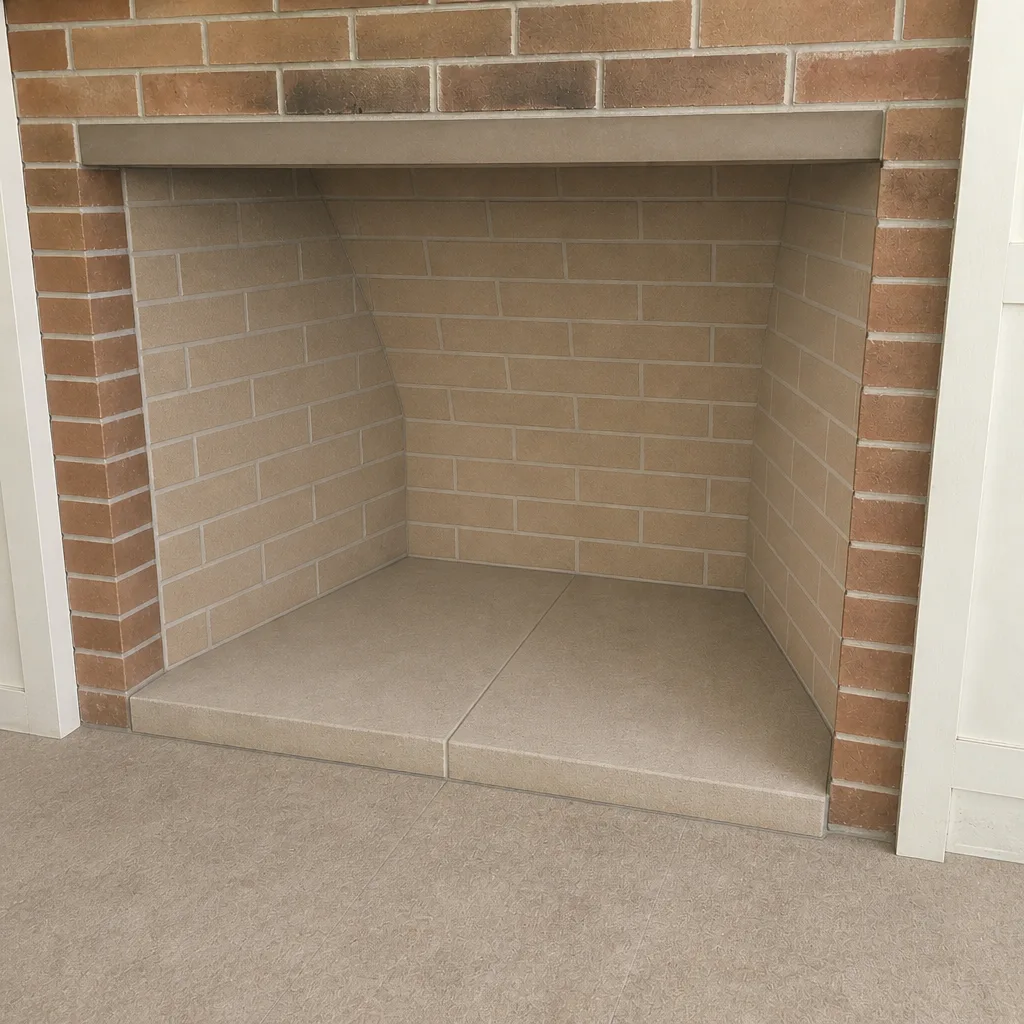
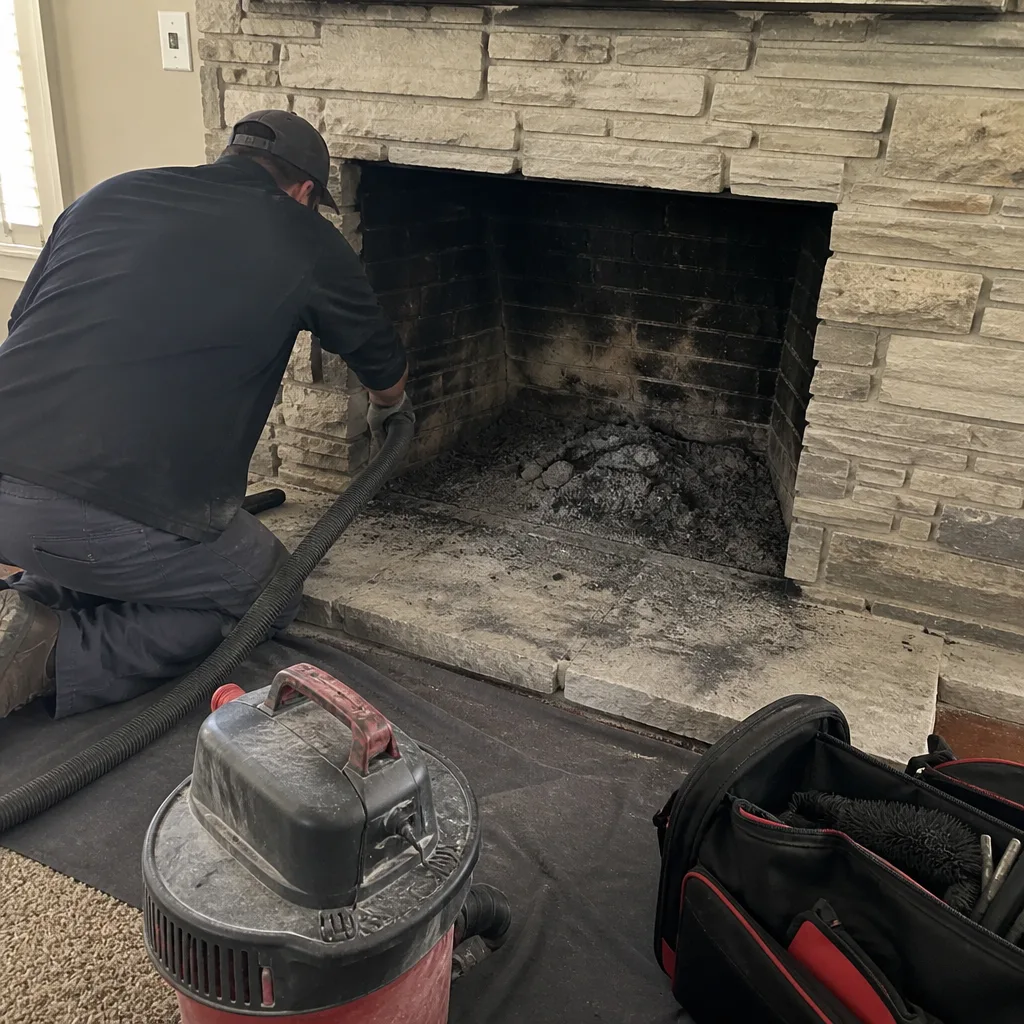
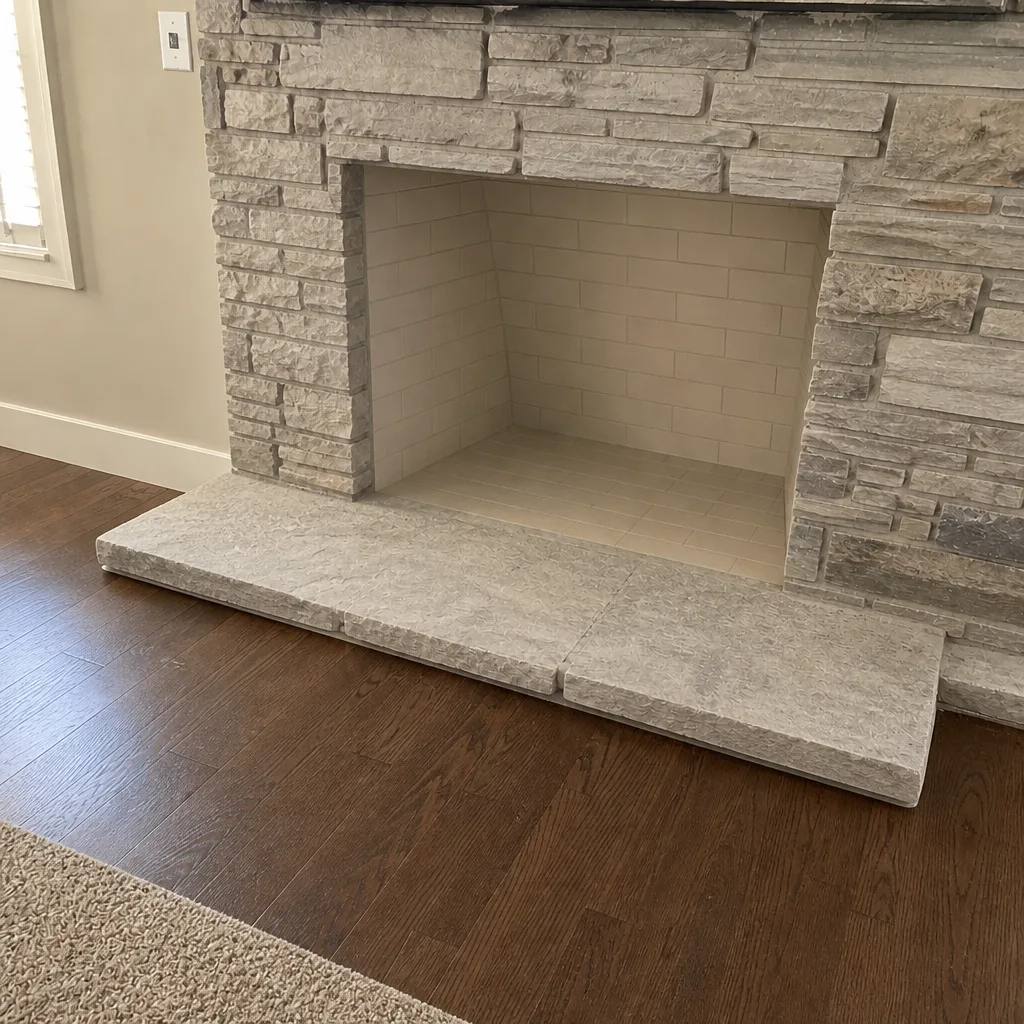
See the difference
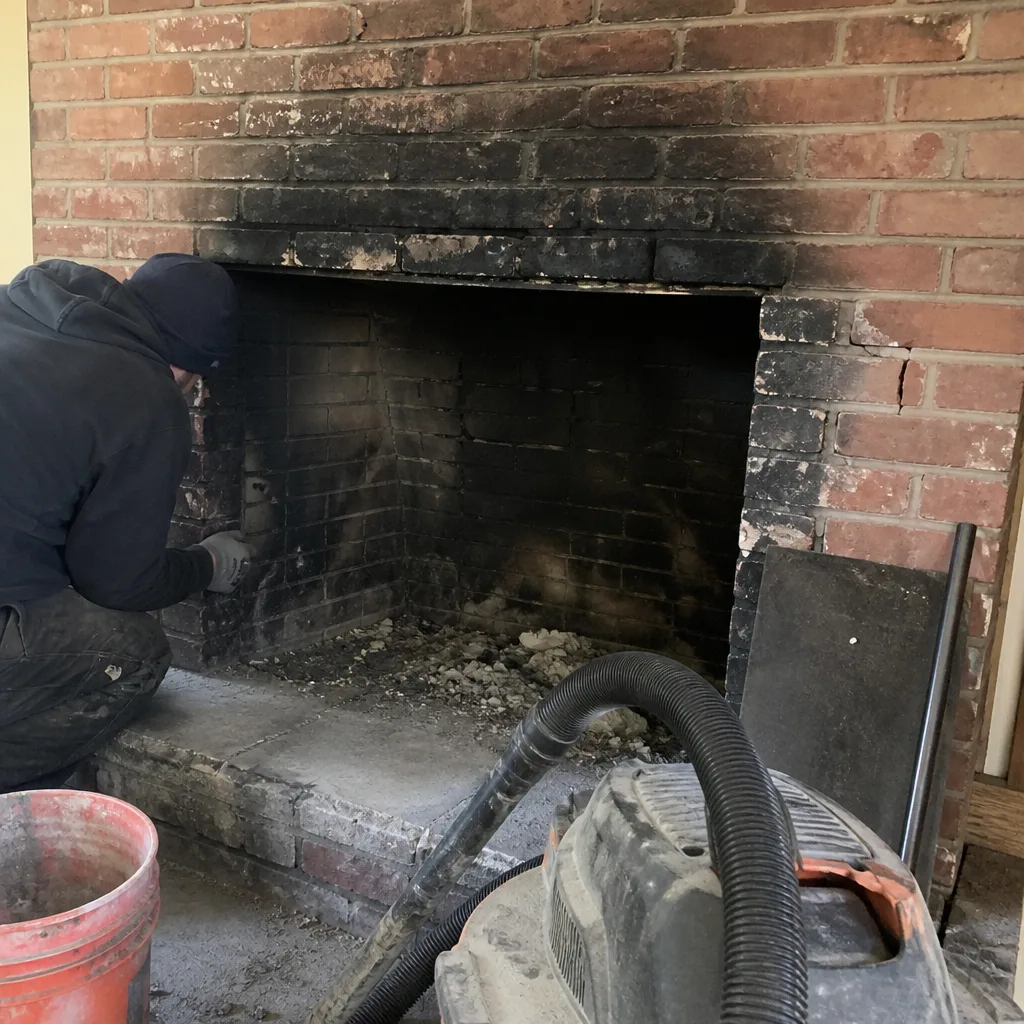 Before
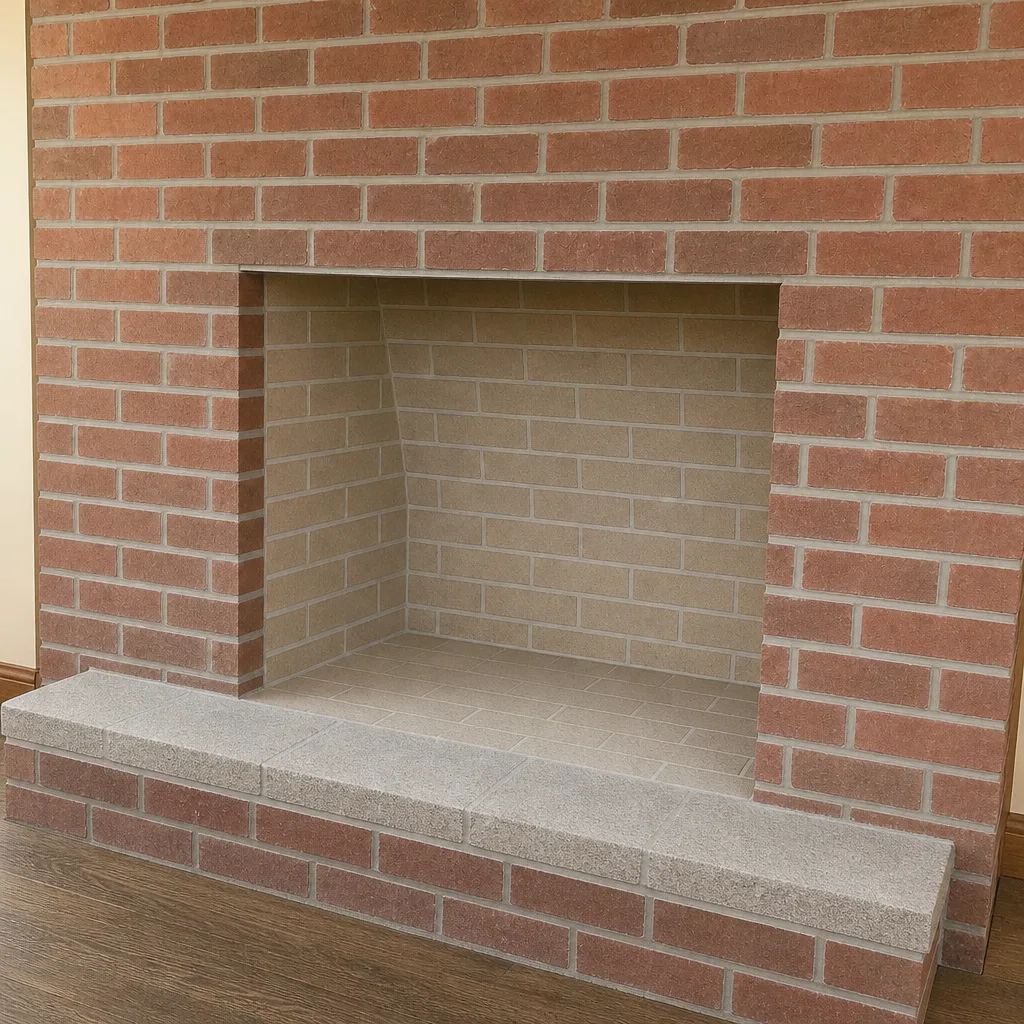 After
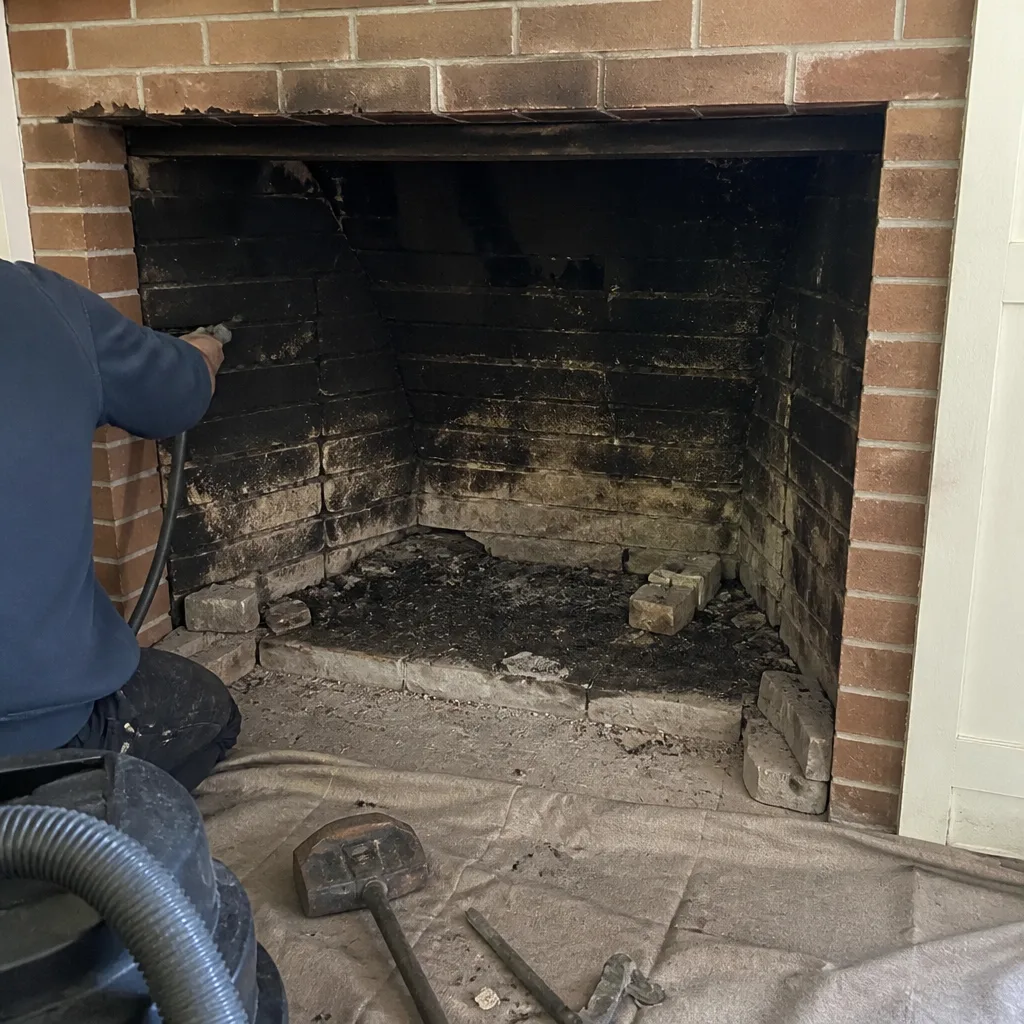 Before
 After
 Before
 After
When to Call a Professional
Call a professional when smoke rolls into the room on a lit fire, when you smell chimney odor inside the house in months when the fireplace is out of use, when you can see crumbling mortar or spalled brick on the exterior, or when a fire that used to catch quickly no longer does. Call sooner if there’s ever been a chimney fire, since the interior damage from one isn’t always visible from the room. Call before the heating season starts, too, because fall appointments fill quickly in Indianapolis and a sweep through October is calmer than a sweep through December. Stellar Chimney Cleaning offers free estimates in Indianapolis. Our technicians have up to 8 years of experience, and every diagnosis includes a camera inspection with a photo report so you can see the findings yourself. Call (888) 560-8179 to schedule a sweep and a full-system look at your flue before the next season begins.
Frequently Asked Questions
A routine chimney sweep in Indianapolis typically runs in the low hundreds of dollars, and the written estimate sets the final price. Pricing depends on the flue’s height, its condition, what’s accessible from the roof, and whether the appointment includes a camera inspection. We give a flat quote before the job is booked so there are no surprises at the end. Call (888) 560-8179 for an exact quote, and estimates are free.
Only if the camera shows the existing liner is cracked, separated, or otherwise failing to contain fire. A camera inspection shows the flue at every foot, and in some cases a HeatShield resurfacing or a targeted repair resolves the issue without a full liner replacement. When the recommendation is a new liner, it’s because the camera showed the liner can’t do its job, not because a liner is easier to sell than a sweep. Call (888) 560-8179 and we’ll walk you through the evidence.
Most homes with an active fireplace should have the flue swept once a year, and heavier use may warrant a second visit mid-season. The annual sweep doubles as the inspection, since the camera check follows the cleaning. Indianapolis winters run long enough that a fall visit catches most of the season ahead of you. Call (888) 560-8179 to book a sweep before the weather turns.
Creosote builds up through the season, and at stage three it becomes the fuel a chimney fire needs. Beyond the fire risk, skipped service lets small problems like a cracked crown or a failing cap grow into structural damage that costs more to repair. The cost of a sweep is always lower than the cost of the repair the sweep would have caught early. Call (888) 560-8179 to get on the schedule.
Some problems can safely wait, and others can’t, which is exactly why we photograph the findings and tell you which category yours falls into. Cosmetic issues, minor surface wear, and small soot deposits can wait for the next scheduled visit. Cracked flue walls, blocked flues, and damaged liners need attention before you burn again. Call (888) 560-8179 for a diagnosis and a straight answer on timing.
That pattern almost always means the original issue was never a cleaning problem, and the sweep was addressing the wrong cause. The next step is a full-system diagnosis with a camera inspection from the top of the flue down through the smoke chamber, checking the cap, the damper, the liner, and the firebox geometry in that order. Call (888) 560-8179 and we’ll scope the flue and give you a straight answer about what’s causing the smoke.
The Bottom Line
Most chimney problems in Indianapolis come down to a small set of causes, and each one shows up as a distinct symptom before it turns into a bigger repair. Smoke rollback points to pressure or firebox issues. Odor points to creosote or moisture. Slow fires point to a cold or blocked flue. Visible damage on the brick points to freeze-thaw erosion that no cleaning will fix. Reading the symptom accurately is what saves the guesswork, and a camera inspection is what confirms the diagnosis. Start your fall service before the season gets busy, work with a company that scopes the flue and repairs what it finds, and treat the dryer vent as part of the same exhaust picture. One call covers the whole system, and this is a good time to make it. For expert Stellar Chimney Cleaning and a full-system diagnosis, call (888) 560-8179 for a free estimate. We answer 24/7. Fast dispatch from 7am to 7pm, Sunday through Friday.
Written by the team at Stellar Chimney Cleaning.