
Last updated November 14, 2026
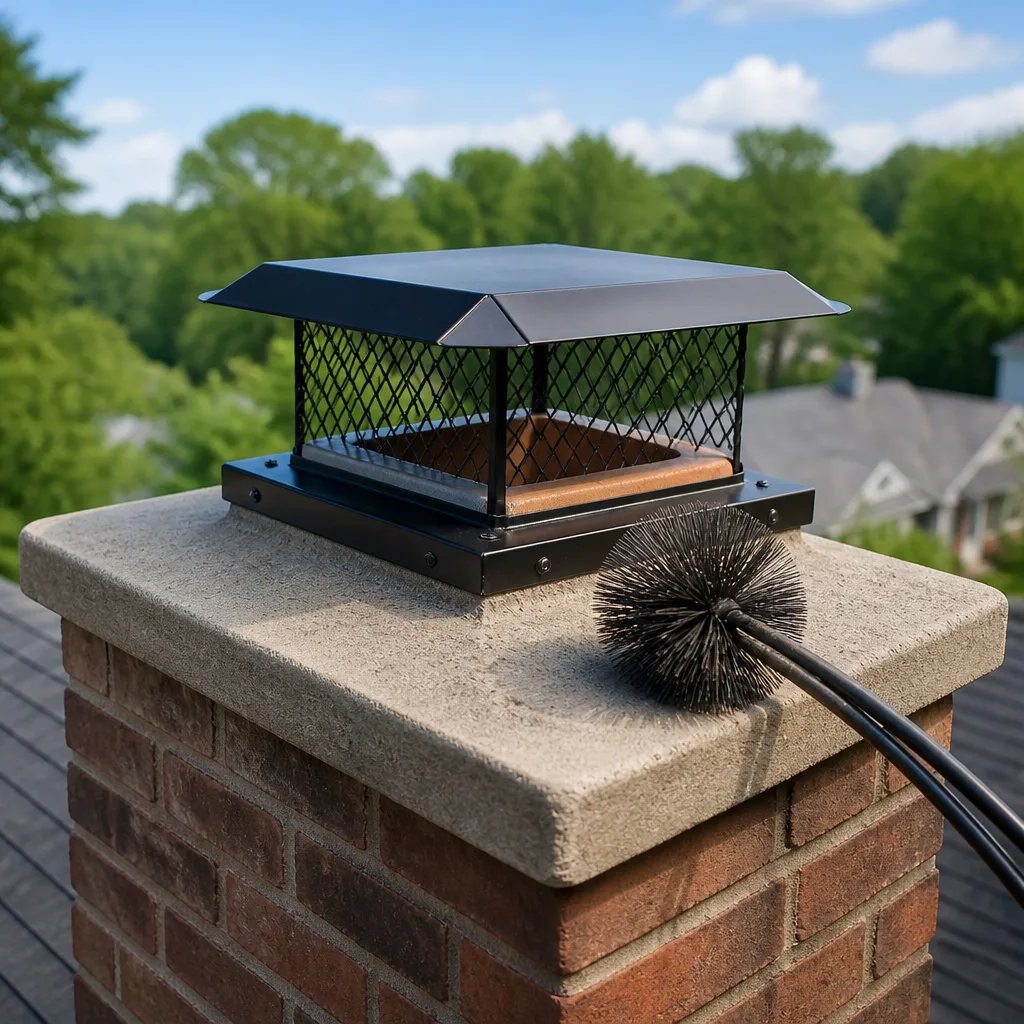 Sweep & inspection
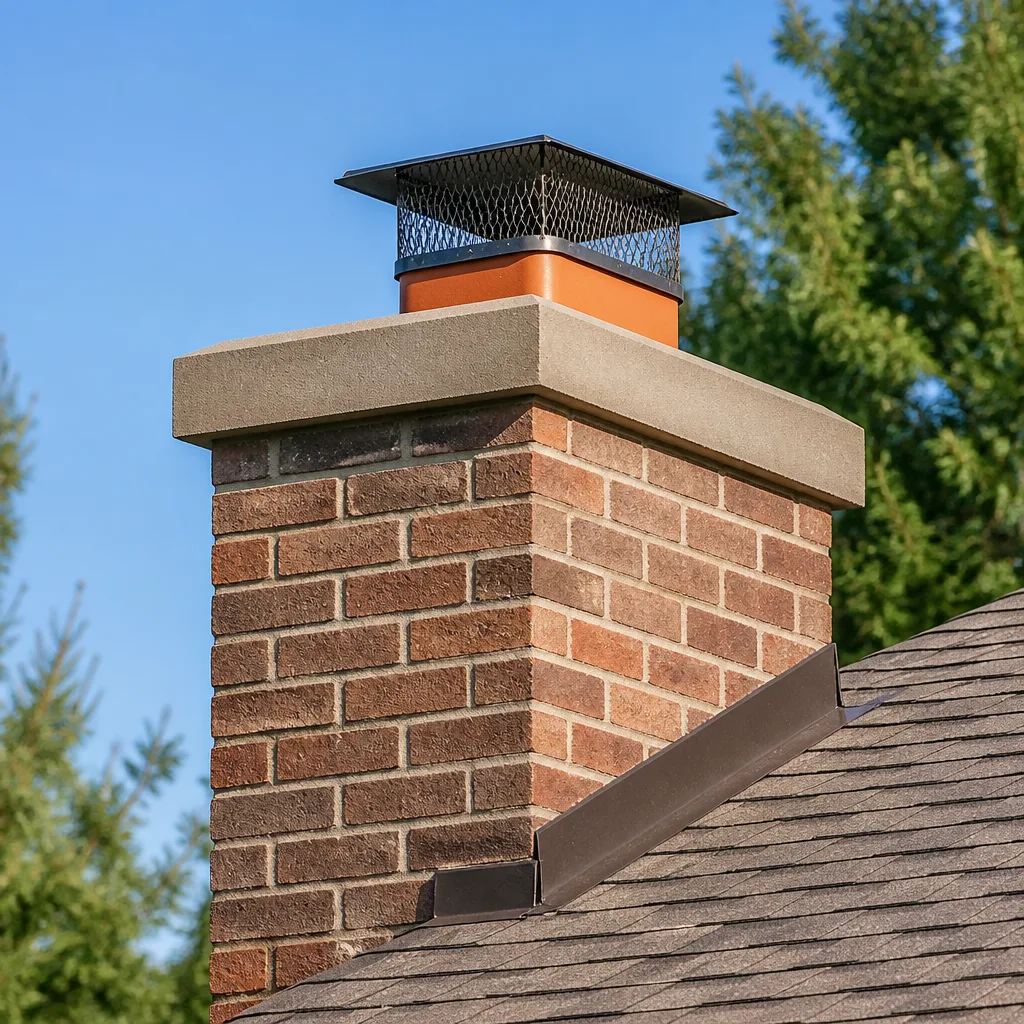 Caps & crowns
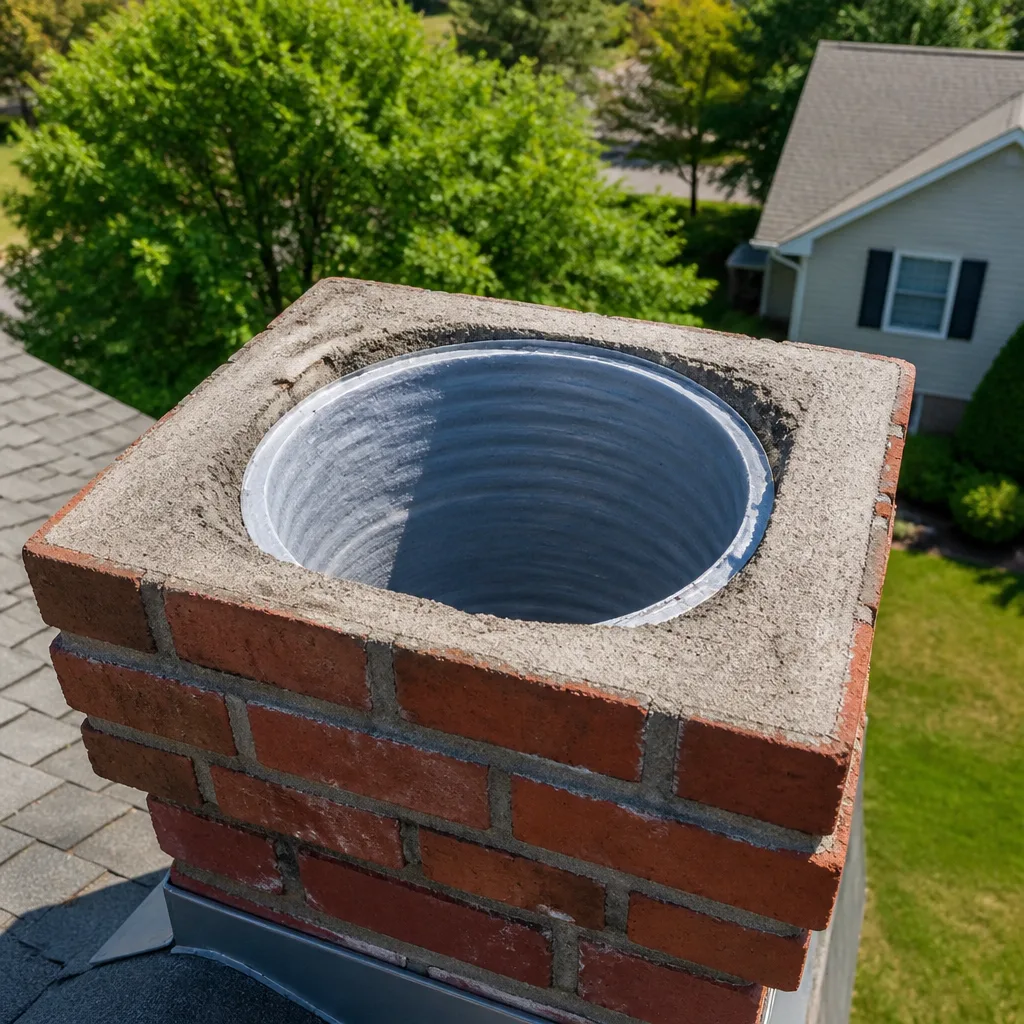 Flue relining
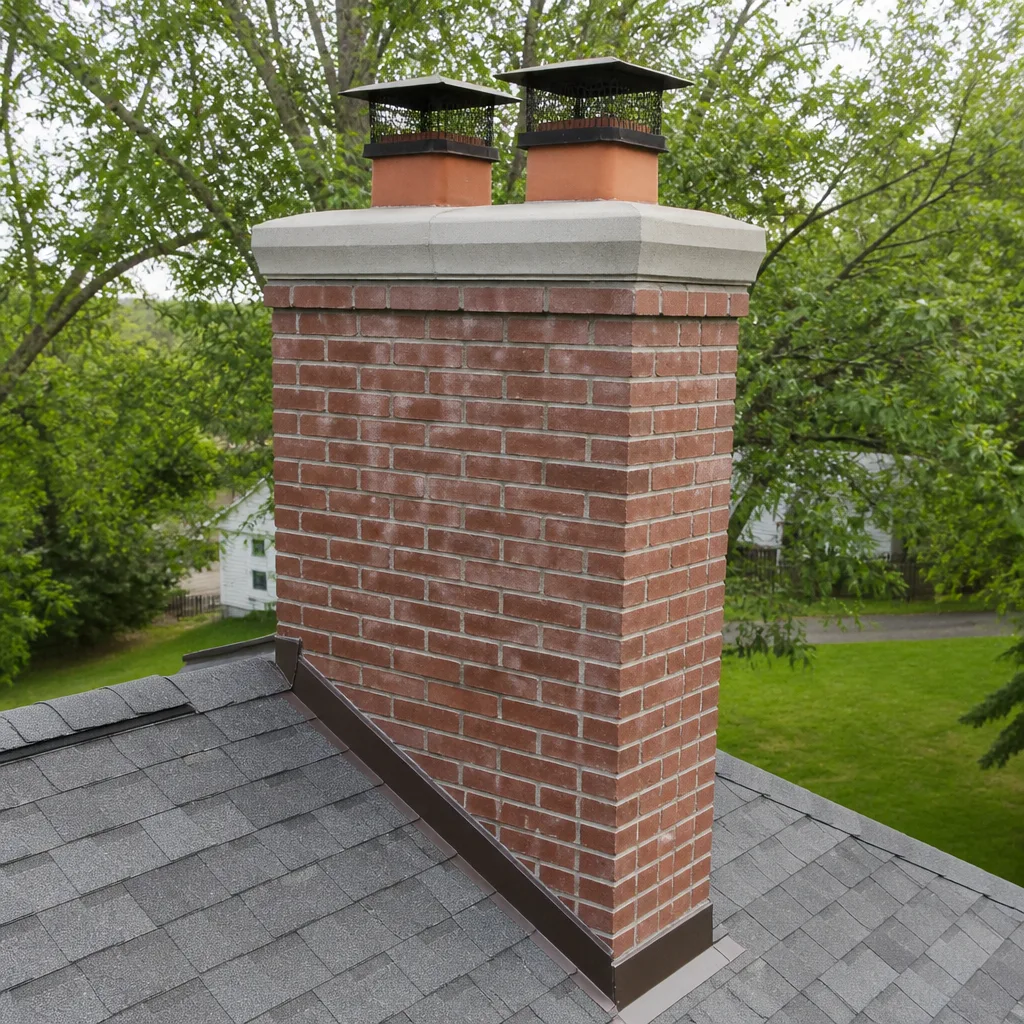 Masonry repair
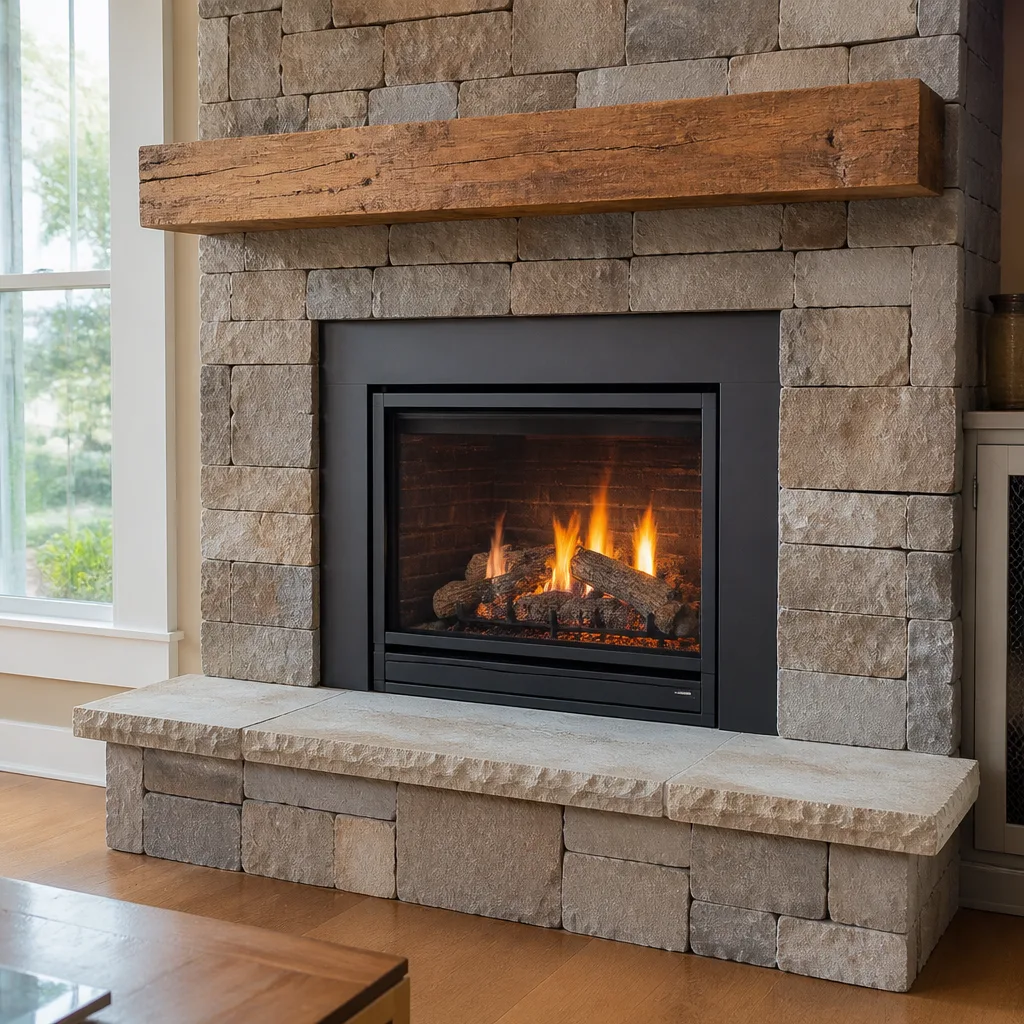 Gas fireplace service
Level 1 sweep and inspection to the NFPA 211 annual standard - flue, crown, cap, and flashing checked and photographed
Chimney sweep logs do not sweep chimneys. They loosen some creosote - which then falls where a brush and vacuum still have to collect it.
Chimney Sweep Maintenance Checklist for Indianapolis Homeowners
Most Indianapolis homeowners think of a chimney checklist as a reminder to book a sweep. It isn’t. It’s a record. When an insurance adjuster opens a fire claim, the first thing they look for is proof of maintenance history, and the second thing they look for is the gap where that history should be. That gap is the problem, and it’s fixable in a few minutes a year. This guide walks through a month-by-month maintenance calendar built around Indianapolis weather, what you can safely check yourself versus what needs a camera, and how to keep documentation that holds up when it matters.
Quick Answer
A chimney maintenance checklist for Indianapolis homeowners should cover four things: an annual professional sweep and inspection, monthly visual checks of the cap, damper, and firebox from the ground and hearth, documentation of every service visit with photos and a written report, and a documented answer for gas insert and factory-built fireplace maintenance, which the post-1980 housing stock around Indianapolis relies on. The checklist works best as a living record, not a one-time to-do, because its real value shows up at claim time and at resale.
Styles & brands we work with
- Sweep & inspection
- Caps & crowns
- Flue relining
- Masonry repair
- Gas fireplace service
Table of Contents
- Month-by-Month Maintenance Calendar for Indianapolis
- What You Can Check Yourself vs. What Needs a Professional Camera
- How to Document Service Visits in a Format Insurers Accept
- Checklist Items for Gas Inserts and Factory-Built Fireplaces
- Catching a Failing Liner Before It Becomes a Full Relining Job
- Your Dryer Vent Is a Chimney Too
- Indianapolis Seasonal Patterns That Drive Chimney Risk
- Using Your Checklist at Sale and Warranty Time
Month-by-Month Maintenance Calendar for Indianapolis
Indianapolis runs a real four-season climate with humid summers and freeze-thaw winters, and that cycle is why a generic “clean in fall” reminder misses half the story. Masonry moves. Mortar cracks. Water gets into joints during summer storms and freezes in January. The calendar below is built around that pattern, not around a template.
- January: Mid-burn season. Check the firebox for crumbling mortar and the cap from the ground after any ice storm. Note any smoke rollback into the room; that’s a draft signal.
- February: Look at the exterior mortar joints on the chimney stack. Freeze-thaw months are when spalling shows up. Photograph anything that looks new.
- March: Burn season winds down. Do a walk-around of the cap, flashing, and crown. Note anything loose before spring rains.
- April: Spring rains test the roof-to-chimney junction. Check the attic and ceiling near the chimney chase for staining.
- May: Call for the annual sweep and inspection before the summer booking crunch. This is the single most useful month on the calendar for an Indianapolis homeowner.
- June: Post-inspection follow-up. If the sweep report flagged repairs, get the written scope and schedule them while the weather is warm.
- July: Dryer vent check. Whole-house exhaust systems run hardest in summer cooling season.
- August: Test the damper. Open and close it fully. Any sticking or grinding gets noted for the next service visit.
- September: Pre-season readiness check. Fresh batteries in carbon monoxide detectors. Confirm your sweep is booked if you skipped May.
- October: First fires. Watch the draft closely for the first three fires of the season. Note any change in smell or smoke behavior.
- November: Peak burn season begins. Spot-check the firebox and note any new cracks or staining.
- December: Holiday fires are the heaviest of the year. Time your last full inspection so it falls before the holidays, not after.
That’s twelve touchpoints, and only two of them (May and July) require a professional. The other ten are ten-minute checks, and they’re the ones that turn a maintenance history into a repair timeline you can show someone. If you want the professional visit done right the first time, our chimney sweep service covers the full system, not just the flue.
What You Can Check Yourself vs. What Needs a Professional Camera
You can safely observe more than most homeowners realize, and far less than most DIY videos imply. The line is simple: observation is yours, access is not. Anything that requires reaching into the flue, climbing the roof, or opening a gas appliance belongs to a trained technician.
Safe for you to check
- Cap condition from the ground: Is it still attached? Are the mesh panels intact? A loose or missing cap lets rain and animals into the flue.
- Visible mortar on the exterior stack: Look for crumbling joints, missing chunks, or white staining on brick. That staining often indicates water absorption.
- Damper function: Open and close it fully with the fireplace cold. It should move smoothly and seal when closed.
- Firebox surface: Small hairline cracks in firebrick are common. Wide cracks, missing brick, or gaps at the mortar line are not.
- Smoke behavior: Watch the first fires of the season. Smoke that rolls into the room instead of going up is a draft problem that needs diagnosis.
Leave to a professional
- Flue interior: A camera inspection is the only way to see the full length of the flue, the liner condition, and any offset or damage above the smoke chamber.
- Crown and flashing at roof level: Height work and roof-edge work fall into steep-roof territory. Not a homeowner task.
- Gas appliance connections: Any work on a gas log insert or gas line is a technician job, full stop.
- Creosote measurement: Glaze level, thickness, and distribution require the technician to actually be inside the flue.
- Chase and attic penetrations: A leaking chase is often only visible from inside the attic or from a camera run through the flue.
We’ve had plenty of Indianapolis homeowners hand us a photo of a cracked crown and ask whether it can wait. Often it can. But the photo alone doesn’t tell you whether the crack is cosmetic or structural, and a camera inspection is what separates the two.
How to Document Service Visits in a Format Insurers Accept
An insurance adjuster isn’t looking for a story. They want three things: a date, a scope, and a signature. A “we had it swept” recollection over the phone is worth almost nothing. A single folder with dated invoices, a written scope, and a photo of the flue at the time of service is worth a great deal.
What an acceptable maintenance record contains
- Date of service. The actual date, not just the month.
- Name and contact of the servicing company. Full business name and phone number on the invoice.
- Scope performed. “Cleaned flue and smoke chamber, inspected with camera, tested damper” is a scope. “Swept” is not.
- Findings and photos. Any camera-inspection photo, especially one showing the liner, cap, and firebox.
- Recommendations. What the technician recommends, in writing, whether or not you act on it.
- Deferred items. Anything recommended but not performed, with the reason it was deferred. This protects you.
- Signature or stamped report. Company-signed report, even a digital one.
How to store the folder
Paper in a binder works. A folder in your email account works better, because it survives a house fire. The point isn’t a specific system, it’s that when someone asks for your maintenance history, you can produce it in under a minute. Photograph each invoice on your phone and email it to yourself with the subject line “Chimney – 2026 – sweep and inspection.” That’s the whole discipline, and it takes five minutes a year.
If you want a second pair of eyes on the folder before a big event like a sale or refinance, we’re glad to review it. Our work in Indianapolis includes written reports for this exact reason.
Checklist Items for Gas Inserts and Factory-Built Fireplaces
Indianapolis neighborhoods that grew in the 1980s, 1990s, and 2000s generally have factory-built fireplaces and gas log inserts rather than traditional open masonry. The maintenance checklist is different for those assemblies, and it is missing from most generic sweep advice.
Factory-built fireplace checklist
- Annual inspection by a technician trained on factory-built units. The flue assembly, clearances, and termination at the top all need to be looked at, not just the firebox.
- Check the listed manufacturer’s label. Every factory-built fireplace has a label somewhere on the unit listing the manufacturer and model. Keep a photo of it in your folder.
- Verify clearances haven’t been encroached on. Hearth extensions, mantel modifications, and years of accumulation can all interfere. A technician confirms the clearance against the label.
- Termination cap check. Screens and top plates on factory-built caps degrade. Replace loose or damaged caps with a compatible component.
- Glass and gasket condition on sealed units. Compromised seals on direct-vent units affect combustion air and exhaust.
Gas insert checklist
- Annual inspection of the venting and log positioning. Rearranged logs or displaced media can cause flame impingement and sooting.
- Carbon monoxide detector in the room. This is a safety baseline for any gas appliance, not an optional extra.
- Burner and pilot check. The technician verifies flame color and cleanliness. Any work on the gas connection is a professional task; gas lines aren’t a homeowner item.
- Venting termination. A direct-vent insert has its own termination that needs the same cap and screen inspection as a chimney cap.
- Documentation of the model and serial number. Keep it in the folder. When a part needs replacing, the number is what makes a same-visit fix possible.
We keep the professional-grade brand lines the trade actually specifies for this work: DuraFlex when a liner is needed, HeatShield when ceramic resurfacing is the smarter answer, Gelco and Olympia Chimney for venting components and specialty parts. That matters most in factory-built and insert work, where the wrong aftermarket component can void the listing.
Catching a Failing Liner Before It Becomes a Full Relining Job
A failing liner rarely announces itself. It gives you clues across multiple visits, and the checklist is what catches those clues early. A small breach found at inspection is often a repair conversation. A breach found at a chimney fire is a relining job at minimum and a structural repair in the worst case.
The early signals the checklist catches
- White or black staining on the exterior top of the chimney. Soot or water where it shouldn’t be.
- Bits of clay tile in the firebox after a fire. This is a serious signal and should trigger an immediate inspection.
- Smoke smell in the house with the damper closed. Often a liner breach or failed joint.
- New rust on the damper or firebox surfaces. Water intrusion from an exterior breach or a failed crown.
- Consistent change in draft across multiple fires. The first three fires of October are the best diagnostic of the year.
What the professional inspection measures
- Full-length camera run of the flue from the top down.
- Assessment of the liner for cracks, gaps, spalling, and offset issues.
- Measurement of creosote stage, from light soot to glazed creosote.
- Smoke chamber and damper inspection.
- Exterior cap, crown, and flashing check.
- Written report with photo documentation and recommended repair path.
When the diagnosis is resurfacing rather than replacement, HeatShield gives a repair path that extends the liner’s usable life without an automatic full-replacement cost. When replacement is the correct answer, DuraFlex is the professional-grade lining system our technicians specify. The choice belongs to the inspection, not to a sales conversation.
Your Dryer Vent Is a Chimney Too
Same problem, different appliance. A dryer vent moves hot, moisture-laden exhaust through a duct with the same fire risk profile as a chimney flue: lint accumulates, airflow drops, heat builds up. The maintenance checklist covers it in exactly the same spirit, and the dryer vent check should sit on the same annual calendar as the chimney sweep.
- Annual professional cleaning in most Indianapolis homes. Household size, dryer use, and duct length all affect the ideal interval.
- Monthly lint trap check, plus lint behind the trap housing. The trap catches most of it. The housing catches the rest.
- Quarterly exterior damper inspection. The damper at the outside wall should open freely and close when the dryer stops.
- Watch for longer dry times. A cycle that used to finish in 45 minutes and now takes 70 is a signal, not a quirk.
- Note any heat buildup around the dryer, or a damp smell in the laundry room. Both are on the checklist for a reason.
Our dryer vent cleaning follows the same professional standard as the chimney side of the checklist, because the fire risk in a home’s exhaust systems isn’t limited to the fireplace. Full details live on that page, but the short version is: same annual rhythm, same documentation habit, same folder.
Indianapolis Seasonal Patterns That Drive Chimney Risk
Indianapolis weather does more to a chimney than most homeowners expect. Humid summers push moisture into masonry and mortar joints. Freeze-thaw winters pry at those joints. Spring rains test every flashing. Fall brings the burn season, and with it the two danger zones no checklist should gloss over: chimney fires caused by creosote ignition, and carbon monoxide from venting problems.
Neither risk announces itself. Creosote accumulation is silent until it ignites. Carbon monoxide is silent by definition. Both are exactly what the annual inspection is looking for, and both are why the documentation habit matters, because the inspection report is the record that you took the risk seriously.
The month-by-month calendar exists because the risks aren’t evenly distributed. May is the ideal inspection month because it falls between the end of burn season (when creosote load is highest) and the summer booking rush. October is the ideal diagnostic month because the first three fires reveal draft issues before the holidays. That’s not a coincidence in Indianapolis weather; it’s the way the climate interacts with the burn cycle.
We answer 24/7 on the phone. Fast dispatch from 7am to 7pm, Sunday through Friday, means a call that comes in outside dispatch hours gets booked into the next opening. That’s the whole availability picture, and it fits the seasonal rhythm better than a fire-drill rhythm anyway. A sweep is booked, not dispatched. The urgency is seasonal, before burning season, not hourly.
Using Your Checklist at Sale and Warranty Time
A home sale is the second moment the folder pays for itself. Buyers increasingly ask for a chimney inspection during the inspection period, and the inspection results drive negotiations. A seller with a documented maintenance history is in a very different conversation from a seller being handed a first-ever inspection report with open recommendations.
What to pull from the folder before listing
- Every annual sweep invoice for the years you’ve owned the home.
- The most recent camera inspection report and photos.
- Any repair invoices, with the product specified (a DuraFlex liner, a HeatShield resurfaced chamber, a Gelco cap).
- The factory-built fireplace label photo, if applicable.
- Any deferred recommendations, in writing, so the buyer sees they were considered.
Warranty disputes follow the same logic. A manufacturer reviewing a claim on a factory-built fireplace or a gas insert wants to see that the unit was maintained per the listing. The folder proves that. A memory of a sweep doesn’t.
If the folder is thin because you’ve owned the home a short while, start it now. An Indianapolis buyer receiving a report from the past year is in a much better position than one receiving nothing. Our Stellar Chimney Cleaning team is glad to do the first sweep-and-inspect visit with the camera report in a format your buyer’s inspector will accept.
Common Mistakes to Avoid
- Treating the sweep as the whole checklist. The sweep is one entry in the folder; the folder is the checklist. Skipping documentation is the mistake that costs you at claim time, not skipping one sweep.
- Waiting until November to book. Indianapolis bookings tighten as the first cold snap hits. A May inspection is easier to schedule and leaves time for any repair before burn season starts.
- Assuming a gas insert has no chimney. Gas appliances vent, and venting needs inspection. Factory-built and direct-vent units have their own checklist items that a “we don’t do gas” sweep will skip entirely.
- Letting a small crown crack run another winter. Freeze-thaw is what turns a cosmetic crown crack into a masonry repair. Spring is the month to address it, not the following spring.
- Ignoring the dryer vent because “it’s not a chimney.” Lint accumulation and heat buildup follow the same physics as creosote. The checklist is shorter for the dryer, not sharper.
- Replacing the whole liner when resurfacing is viable. HeatShield ceramic resurfacing is a real alternative in the right conditions, and a checklist history showing the liner’s condition over several visits is what makes that call responsible.
- Trusting a phone promise over a written report. A verbal “we looked at it” has no weight with an adjuster or a buyer. Ask for the written report and the camera photos every time.
See the difference
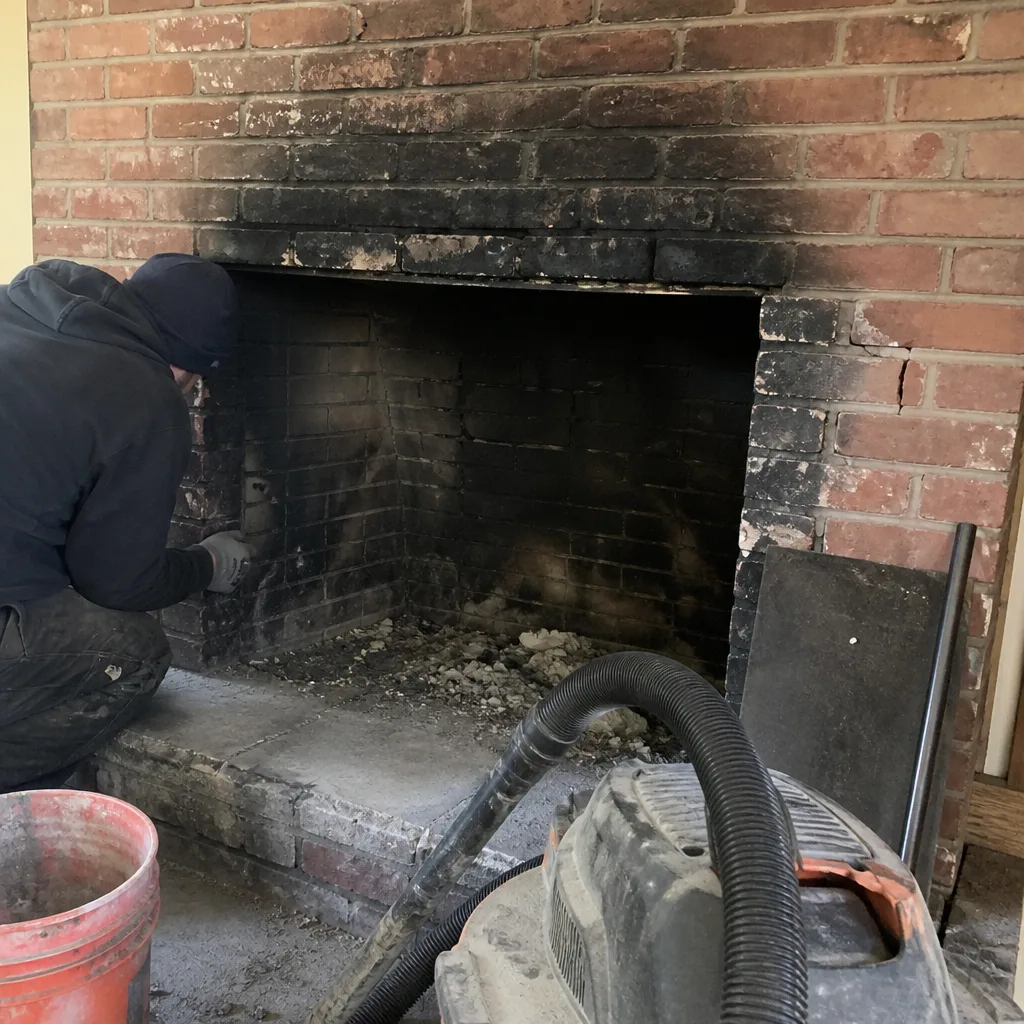 Before
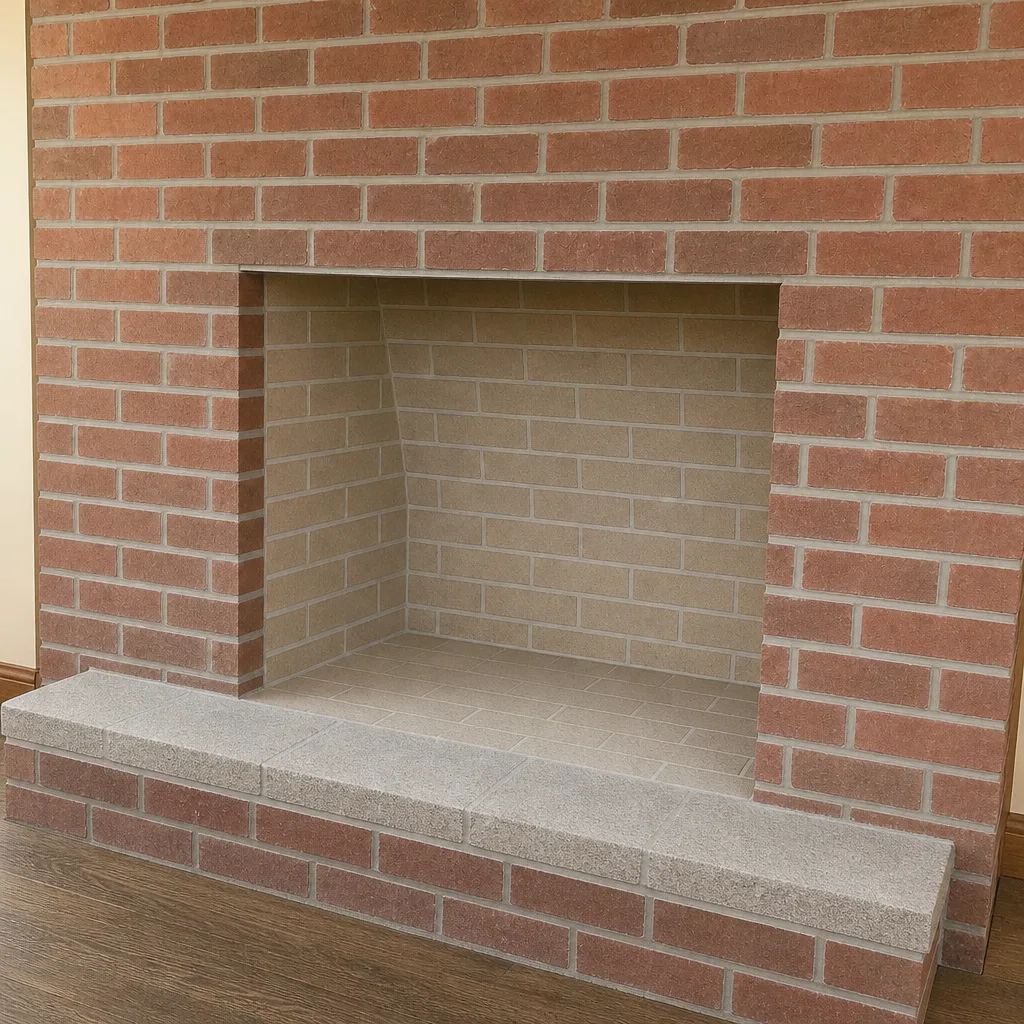 After
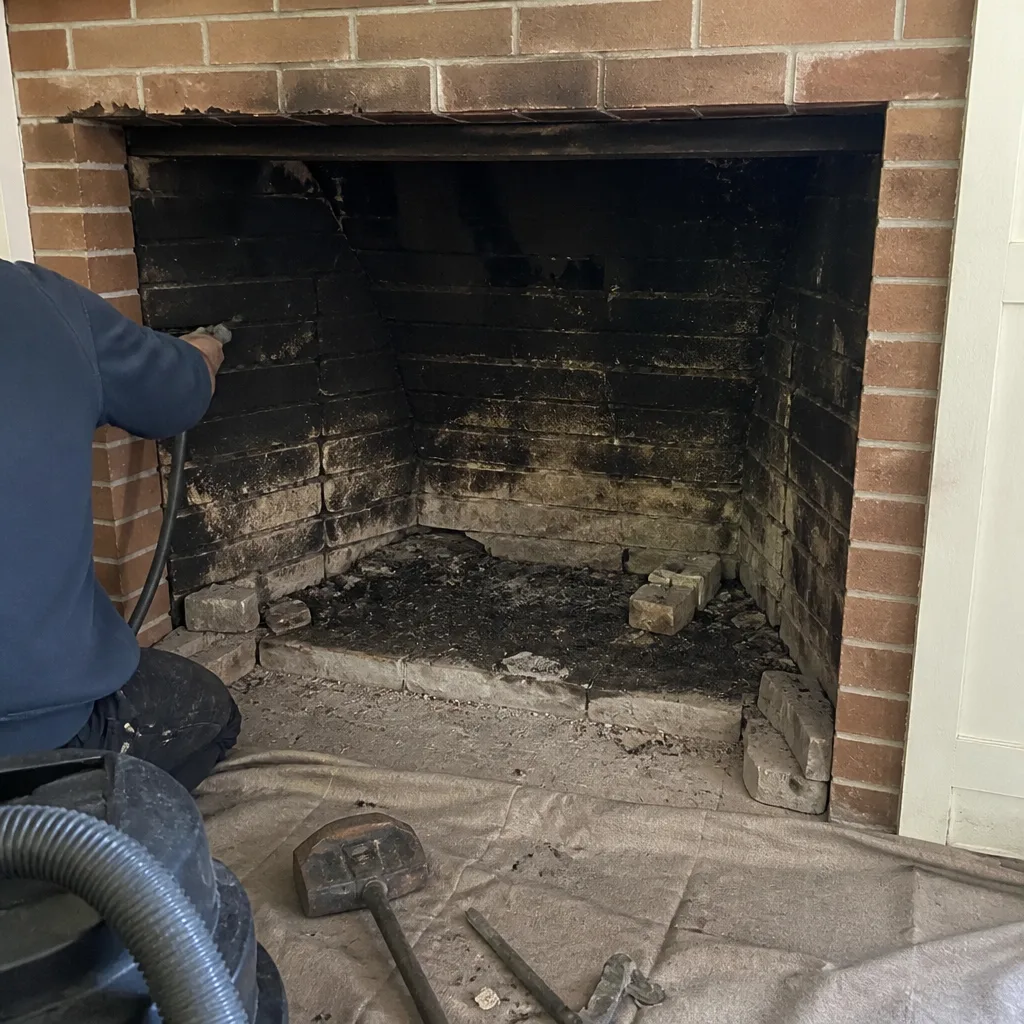 Before
 After
 Before
 After
When to Call a Professional
Call a professional now if any of these is true: you’ve seen pieces of clay liner or tile in the firebox after a fire; smoke pushes into the room on the first fire of the season; the exterior chimney has new white staining or missing mortar chunks; the cap is loose or gone; the dryer now takes noticeably longer to finish a load; or you’ve never had a documented inspection of a factory-built fireplace or gas insert in the home. Those are the signals that push past the homeowner checklist and into a camera inspection. Stellar Chimney Cleaning offers free estimates in Indianapolis and works from diagnosis through repair with DuraFlex, HeatShield, Gelco, and Olympia Chimney components. Call (888) 560-8179. We answer 24/7. Fast dispatch from 7am to 7pm, Sunday through Friday.
Frequently Asked Questions
Once a year for most Indianapolis homes with an active fireplace or wood stove, and once a year for a factory-built unit or gas insert even if the flue looks clean from the hearth. The annual inspection is the real deliverable; the sweep is what makes the inspection meaningful. Homes burning heavily through the season may need a mid-season check. Call (888) 560-8179 for an exact quote on your home’s configuration.
Pricing in Indianapolis depends on the flue configuration, whether a camera inspection is included, and whether the home has one flue or several. We set the final price per job by written estimate, and the estimate is free. A quote over the phone confirms the sweep scoping, but the written estimate is the price you’ll see on the invoice. Call (888) 560-8179 for an exact estimate.
The folder is the point of the checklist, not an accessory to it. An insurance adjuster handling a fire claim asks for maintenance history, and a home buyer’s inspector asks for the same during resale. A binder or email folder with dated invoices and photos answers both questions in under a minute. Call (888) 560-8179 if you want a written report on file from your next visit.
The two risks are a chimney fire from creosote ignition and carbon monoxide from a liner or venting breach, and neither is visible from the hearth. Skipping the inspection doesn’t create the risk, it removes the detection. The camera inspection is what catches a liner issue while it’s repairable instead of structural. Call (888) 560-8179 to book the inspection before burn season.
Yes. Dryer vent cleaning sits on the same annual rhythm as the chimney sweep and can be booked on the same visit in most Indianapolis homes. Lint accumulation in the dryer duct follows the same physics as creosote in the flue, and the cleaning standards are the same professional ones. Call (888) 560-8179 for scheduling.
Yes, with different items. A gas insert or factory-built fireplace needs annual inspection of the venting, termination, and listed clearance, and a documentation entry for the model and serial number. The checklist is shorter for gas than for wood, but the annual inspection cadence is the same. Call (888) 560-8179 to book it.
The Bottom Line
A chimney maintenance checklist for Indianapolis homeowners works because of what it produces, not because of what it reminds you to do. The annual sweep and inspection protect the system. The month-by-month checks tell you what changed since last year. The folder is what proves both when an adjuster or a buyer asks. Start with May for the inspection and July for the dryer vent, keep every dated invoice with a photo of the flue, and remember that a small liner breach found at inspection is a different conversation from the same breach found at a chimney fire. That’s the whole guide, and it’s worth doing from the first year you own the home. Call (888) 560-8179 to book the first entry in the folder. We answer 24/7. Fast dispatch from 7am to 7pm, Sunday through Friday.
Written by the team at Stellar Chimney Cleaning.