
Last updated November 14, 2026
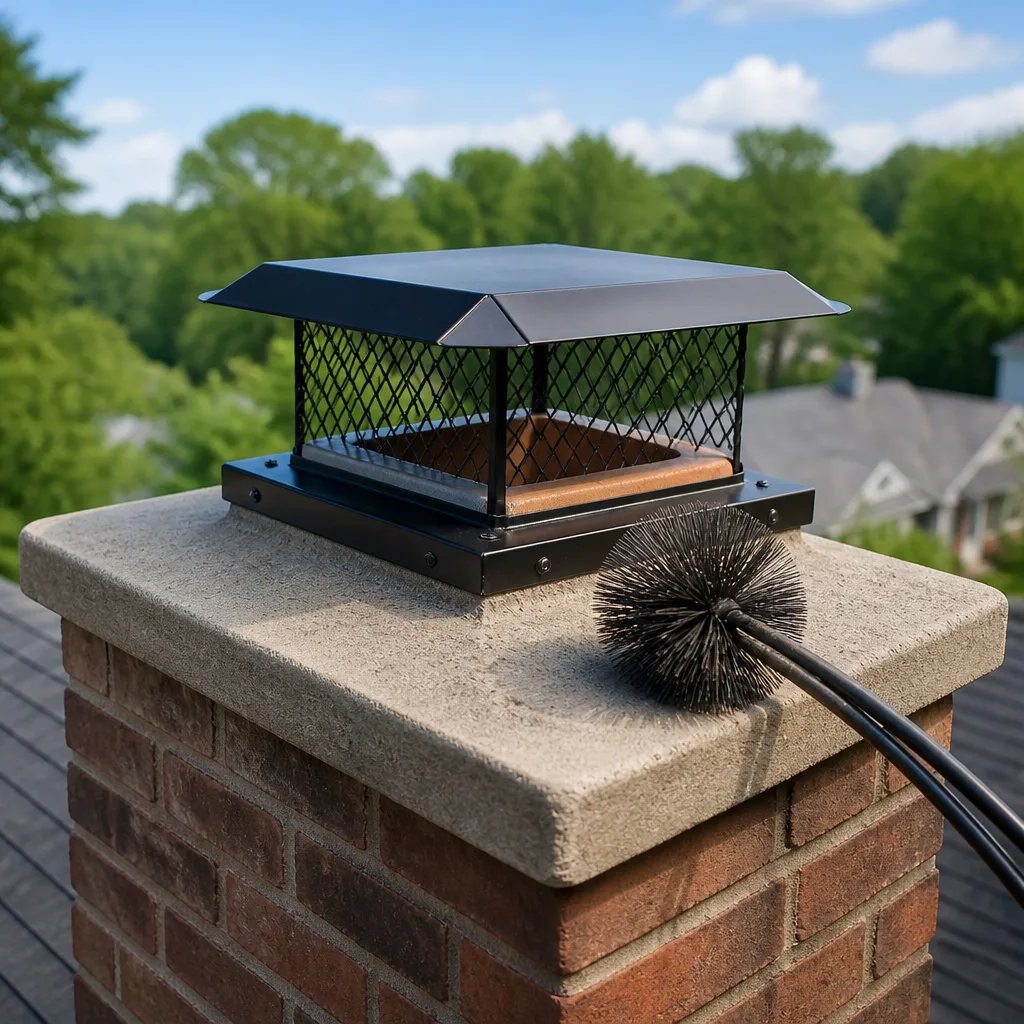 Sweep & inspection
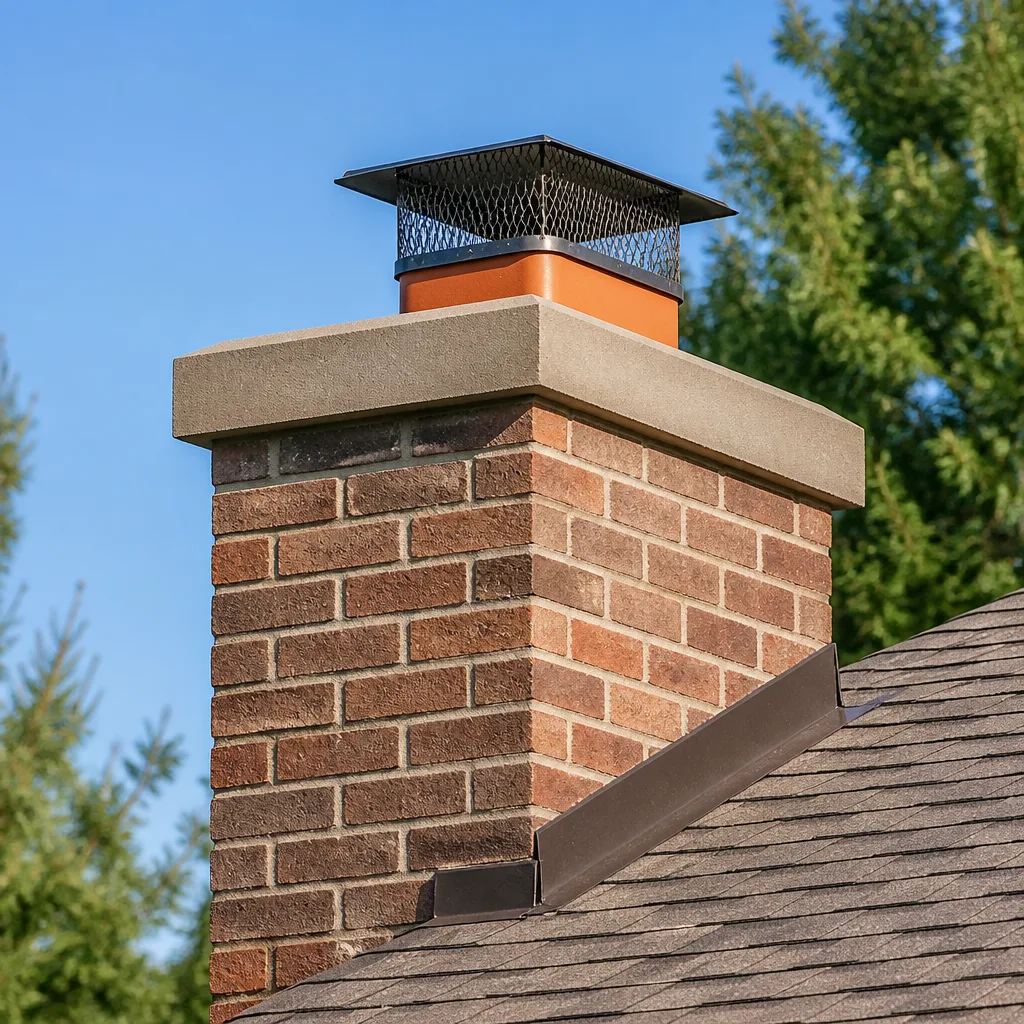 Caps & crowns
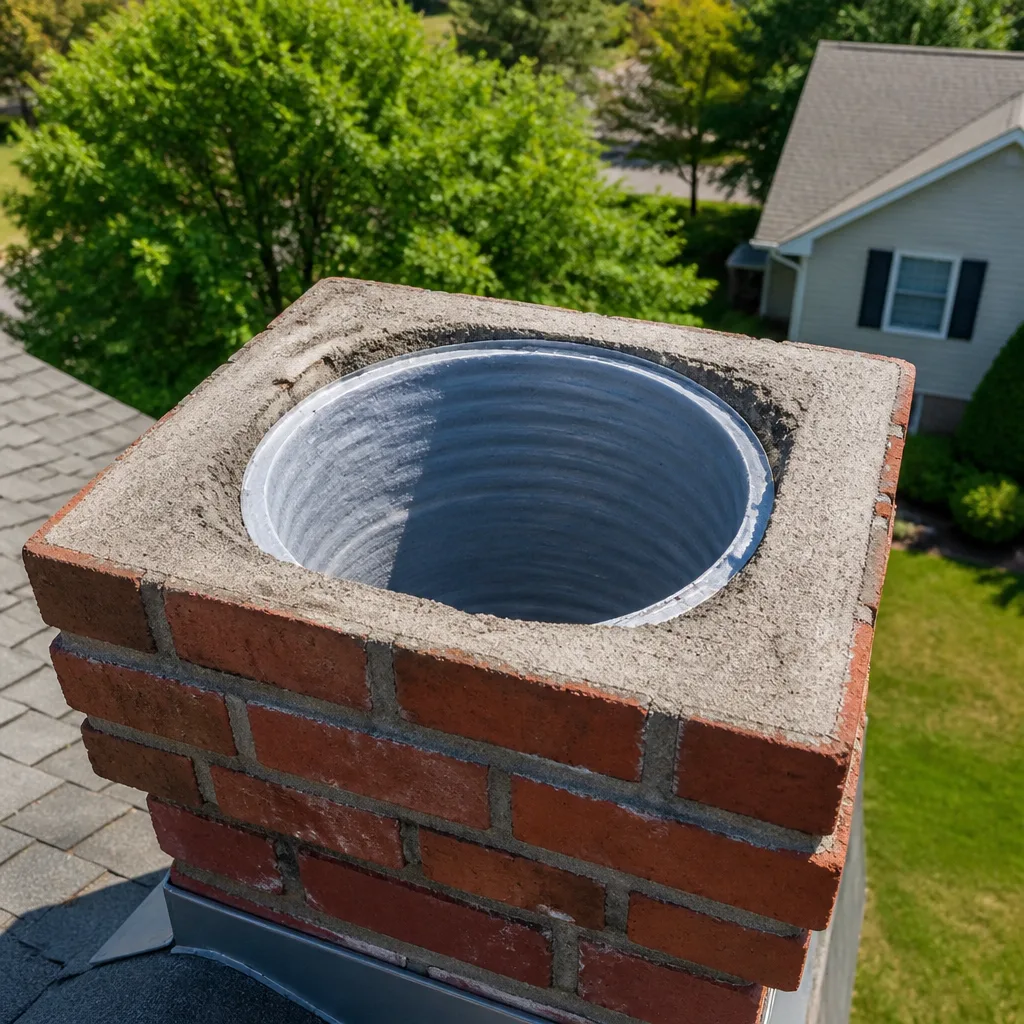 Flue relining
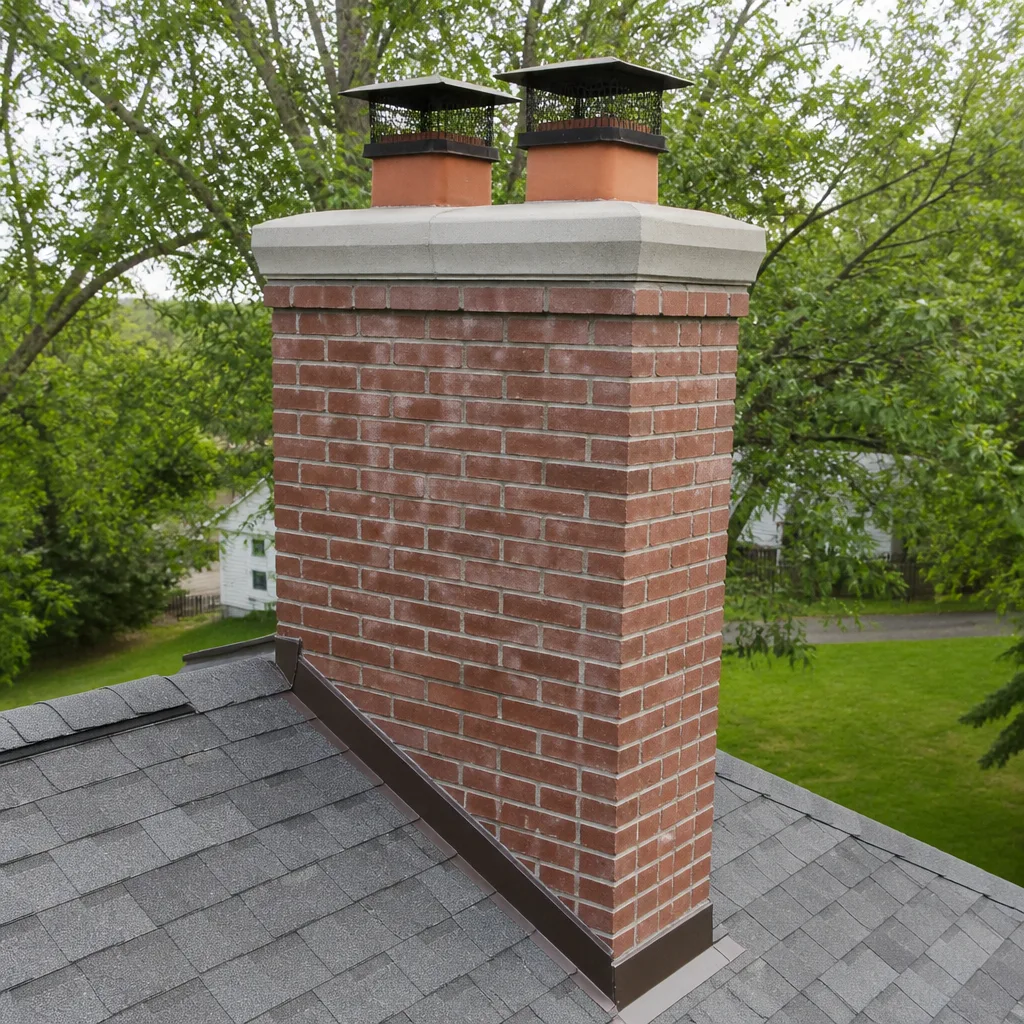 Masonry repair
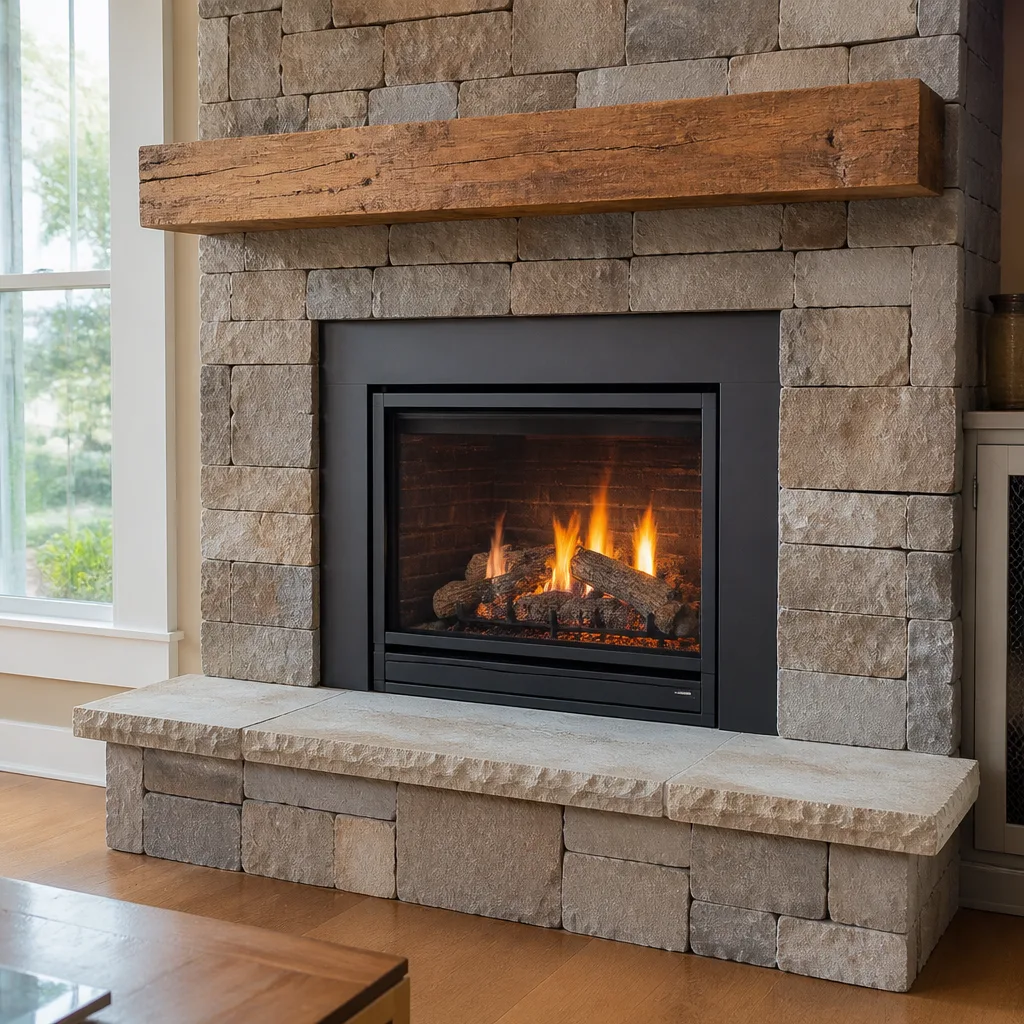 Gas fireplace service
Level 1 sweep and inspection to the NFPA 211 annual standard - flue, crown, cap, and flashing checked and photographed
Chimney sweep logs do not sweep chimneys. They loosen some creosote - which then falls where a brush and vacuum still have to collect it.
Chimney Cleaning Emergency Preparedness Guide for Indianapolis Homes
A chimney fire doesn’t announce itself with flames shooting out of the roofline. It sounds like a low roar, or a freight train passing through the wall, and most Indianapolis homeowners who’ve lived through one say the same thing: they didn’t recognize it right away. Those first ten minutes are the ones that matter, and they’re the minutes nobody prepares for. This guide isn’t about what to do the week after. It’s about the decisions you make in the first ten minutes of a chimney emergency, the carbon monoxide signs that get misread as a winter cold, and the pre-season work that keeps most Indianapolis chimney emergencies from happening at all.
Quick Answer
If you think your chimney is on fire, call 911 first, then close the damper and get everyone outside. A chimney fire is identified by a low roaring sound, a strong creosote or tar smell, and black smoke or sparks at the top of the flue. After any suspected chimney fire in Indianapolis, the chimney needs a camera inspection before the fireplace is used again, because a verbal “it looks fine” cannot see the hidden cracks inside the flue.
Styles & brands we work with
- Sweep & inspection
- Caps & crowns
- Flue relining
- Masonry repair
- Gas fireplace service
Table of Contents
- How do you know a chimney fire is happening right now?
- What should you do in the first ten minutes?
- Why is carbon monoxide the quieter chimney emergency?
- What has to happen after a chimney fire before you burn again?
- What happens when IFD responds to a chimney fire call?
- What pre-season preparation cuts emergency risk the most?
- Why is the dryer vent part of this conversation?
- Common Mistakes to Avoid
How do you know a chimney fire is happening right now?
You know a chimney fire is active by three signals together: sound, smell, and what’s coming out of the chimney top. Any one of them alone is a reason to stop using the fireplace and get it checked. Two or more together is a reason to call 911 and leave the house.
The sound is the one people describe most vividly. A chimney fire moving through a flue makes a low, rumbling roar that many people compare to a train passing close by, or to a deep wind noise that doesn’t match the weather. It’s often loud enough to hear from another room, and it doesn’t stop when you close the glass doors. Some homeowners hear a series of popping or cracking sounds as creosote inside the flue ignites in stages.
The smell is dense and acrid, like hot tar or burning asphalt. It’s stronger than normal wood smoke and it tends to drift into the room even when the damper is open and the fireplace is drawing correctly. If your living room suddenly smells like roofing tar in the middle of a fire, treat that as a warning sign.
From outside, look at the chimney top. Dense black or dark gray smoke, sparks, or visible flame at the crown are the visible signs of an active fire. In an Indianapolis winter, a plume of black smoke against a gray sky can be easy to miss from the street, which is why the inside signals matter so much.
- Roaring or rumbling sound from the flue, like a distant train
- Popping or cracking as creosote ignites in stages
- Tar or asphalt smell inside the room, not just outside
- Black or dark gray smoke and sparks at the chimney top
- Visible flame or heat shimmer at the crown
- A sudden, dense smoke smell that doesn’t clear even with the damper open
What should you do in the first ten minutes?
In the first ten minutes of a suspected chimney fire, call 911 first, then close the damper, then get everyone outside. The order matters. Closing the damper restricts airflow into the flue and slows the fire, but it does nothing for you if the fire has already spread into the chimney structure or the house. Emergency responders should be on their way before you start closing anything.
Here is the sequence we walk through with homeowners:
- Call 911. Tell the dispatcher you suspect an active chimney fire and give your address. Indianapolis Fire Department responds to chimney fire calls as a structure fire until proven otherwise.
- Close the damper. This cuts the airflow feeding the fire. Don’t reach into the firebox to do it if the fire is already roaring, and don’t try to move burning logs.
- Get everyone outside. Adults, children, pets. Close the door behind you, but leave it unlocked if responders are coming.
- Shut off the gas or propane to the fireplace if you have a gas log set or gas insert, and only if the shutoff is outside the fire zone and easy to reach.
- Wait for the fire department. Don’t re-enter to grab things. Don’t climb on the roof to look at the chimney top.
Do not spray water into a hot flue. A sudden temperature change on hot masonry or a metal liner can crack either one, and a fire that looks out from the room can still be burning inside the chimney wall. Don’t try to smother it with a fire extinguisher aimed up the flue, either; those extinguishers are not designed for a chimney fire and can leave you standing in a cloud of powder with the fire still going.
Why is carbon monoxide the quieter chimney emergency?
Carbon monoxide is the quieter chimney emergency because its symptoms look like a cold or flu, and because the appliances that produce it most often in an Indianapolis home don’t always look like chimney problems. The highest-risk appliances are the ones with a flue you might never think about: a gas-fired furnace, a gas water heater, a gas fireplace insert, a wood stove, or a boiler vented through the chimney system.
Carbon monoxide is odorless and colorless, but a CO event inside a house rarely goes unnoticed in every way. It has a recognizable pattern:
- Headache, dizziness, nausea, or fatigue that gets worse the longer you’re in the house and better when you leave
- Several people in the house feeling similar symptoms at the same time, including pets
- Symptoms that clear after a few hours away and return when you come back home
- Yellow or orange flame in a gas appliance where it should be blue
- Soot streaks, scorching, or condensation on the outside of a flue or appliance
- A “backdraft” smell in the room when a gas appliance fires up
A common misread we hear about is a family treating what feels like a lingering flu for several days before anyone considers the house itself. If more than one person feels the same way at once, and the symptoms ease away from home, treat that as a possible CO event and get the chimney and all gas appliances checked. Install CO alarms on every level of the house, and test them at the start of each heating season. If an alarm sounds, leave the house and call 911.
Beyond alarms, the strongest protection is annual inspection of the entire venting system, not just the fireplace box. A flue that serves a furnace or water heater can crack or block without anyone using the fireplace at all. That’s the reason we look at the full system, not just the firebox, on a chimney sweep appointment in Indianapolis.
What has to happen after a chimney fire before you burn again?
After a chimney fire, the chimney needs a proper camera inspection before you burn again, and a verbal “looks fine” from anyone standing in the firebox is not enough. A chimney fire leaves damage you cannot see from the room: cracked flue tiles, warped or separated metal liners, failed mortar joints, and a heavy glaze of creosote baked onto the flue walls that will ignite again.
The reason a firebox-only look fails is simple geometry. The firebox is at the bottom. The flue runs up the inside of the chimney chase, out of sight. A technician can look up from the firebox and see the first few feet. That’s it. The damage from a chimney fire usually happens higher up, where the creosote was thickest and the heat was highest.
A proper inspection after a chimney fire includes:
- Camera inspection of the full flue, with photo or video evidence you can see yourself, not just a verbal summary.
- A check of the firebox and smoke chamber for cracks or spalling in the masonry.
- An inspection of the chimney crown and cap for heat damage or cracked mortar.
- A sweep of the remaining creosote before any repair work is done, so the repair surface is clean.
- A written repair plan if the flue is cracked, warped, or no longer suitable for service.
Depending on what the camera shows, the repair may be a HeatShield ceramic resurfacing of a clay flue, or a new DuraFlex stainless liner. HeatShield is a cost-conscious path we can offer that most sweep-only companies can’t: it restores a damaged clay flue interior without a full liner replacement. If the original flue is too far gone, a DuraFlex liner is the standard for a durable rebuild. Either way, the decision comes from what the camera shows, not from a sales pitch.
What happens when IFD responds to a chimney fire call?
When the Indianapolis Fire Department responds to a chimney fire call, they treat it as a structure fire until they’ve confirmed otherwise. That means you can expect an engine and possibly a ladder truck at the address, a crew checking the attic and walls for heat, and an on-scene check of the chimney itself from the roofline. IFD’s job is to put out the fire and confirm the house is safe to occupy. Determining whether the chimney is safe to use again is a separate question, and that’s where a certified inspection comes in.
Two Indianapolis-specific points are worth knowing going in. First, if the fire department finds that the chimney or flue contributed to a structural issue, the property can end up with a code enforcement follow-up, and a repair that doesn’t meet code will not clear the file. That’s why post-fire repairs belong with a company that can document what was done and with what material, not just a sweep report that leaves you looking for a second company.
Second, IDEM (the Indiana Department of Environmental Management) regulates air quality across the state, and open burning of debris or improper disposal of creosote and soot is not something you handle yourself. Chimney sweep waste has a proper disposal path, and any contractor you hire should be able to tell you what happens to it. If you’re cleaning up after a fire and someone offers to haul away the debris as a favor, ask where it’s going before you agree.
If you’re not sure who to contact first after a fire, IMPD’s fire prevention office can point you to the right city resource. But for the chimney itself, the call after the fire trucks leave is to a company that can inspect and repair the same chimney under one roof.
What pre-season preparation cuts emergency risk the most?
Pre-season preparation cuts emergency risk by removing the three things that account for the majority of Indianapolis chimney emergencies: creosote buildup, blockages from animals and debris, and deteriorated flue lining. Every one of them is fixable in advance, and every one of them is invisible from the living room.
Creosote buildup is the leading driver of chimney fires. It’s a natural byproduct of burning wood, and how fast it builds depends on the wood you burn, how hot the fire runs, and how often you use the fireplace. A slow-burning, smoldering fire deposits more creosote than a hot one. So does unseasoned or green wood. The fix is an annual sweep on the schedule the sweep recommends, not the schedule a calendar suggests.
Blockages come from birds, squirrels, and raccoons that nest in an open flue during the off-season, and from leaves and debris that collect at the top. A blocked flue doesn’t just reduce draft; it drives smoke and carbon monoxide back into the room. A chimney cap on the flue, like the models we install from Gelco and Olympia Chimney, is the single cheapest piece of prevention you can add.
Deteriorated flue lining is the one you cannot see. Clay tiles crack with age and heat cycles, and mortar joints between tiles erode. Once there’s a gap in the lining, heat and carbon monoxide can reach the framing of the house. A camera inspection in the fall catches this before the first fire of the season, not after.
Here is the pre-season checklist we recommend for Indianapolis homes:
- Book the sweep before the first fire, not after the first cold snap, when every sweep in the city is booked solid.
- Get a camera inspection of the full flue, not just a firebox look.
- Install or replace a chimney cap to keep animals and debris out.
- Test every CO alarm on every level of the house.
- Burn dry, seasoned wood and avoid long, smoldering fires.
- Have the dryer vent cleaned at the same time, because it’s part of the same household exhaust picture.
Why is the dryer vent part of this conversation?
Your dryer vent is a chimney too. It’s an exhaust flue that carries heat, moisture, and lint out of the house, and when it clogs, the failure mode is a fire inside the wall. Lint is highly flammable, and a dryer running with a restricted vent builds heat in the duct on every cycle. Most dryer vent fires start in the duct or the transition behind the dryer, not in the machine.
We treat dryer vent cleaning as a core service because emergency preparedness that stops at the fireplace is only half a plan. The signs of a clogged vent are easy to spot if you know them:
- Clothes take two cycles or more to dry
- The dryer or the laundry room feels unusually hot
- A burning or musty smell in the laundry room
- Lint accumulating around the dryer door or behind the dryer
- The exterior vent flap doesn’t open fully when the dryer runs
If your dryer vent is corrugated plastic or foil flex, it should be replaced with smooth metal duct. The ridges in flex duct trap lint and give a fire a place to start. That’s a small job with a large risk reduction, and it’s the kind of thing we check while we’re already in the house for the chimney.
Common Mistakes to Avoid
- Closing the damper before calling 911. The damper slows the fire, but it does nothing to get help on the way. Call first, then close.
- Treating a post-fire “looks fine” as clearance to burn. A firebox-only look can’t see a cracked flue tile twenty feet up. Without a camera inspection, you don’t know what’s in the chase.
- Burning the first fire of the season without a sweep. Indianapolis cold snaps arrive fast, and a fireplace that sat unused since March may have a bird nest or a cracked liner waiting.
- Burning green or unseasoned wood. It deposits creosote faster than dry wood, and in an Indianapolis winter, “it’s what’s on the rack” becomes a habit that catches up with you.
- Skipping the chimney cap. An open flue is an invitation to wildlife and debris. A cap is cheaper than a blockage removal and a whole lot cheaper than a fire.
- Ignoring the dryer vent. Lint fires start in the duct, not the machine. A clogged vent that “still dries clothes, just slower” is a fire waiting on a cycle.
- Hiring a sweep who can’t repair. A sweep report that says “needs a liner” leaves you calling a second company to find out if that’s true. A full-system specialist can diagnose and fix under one roof.
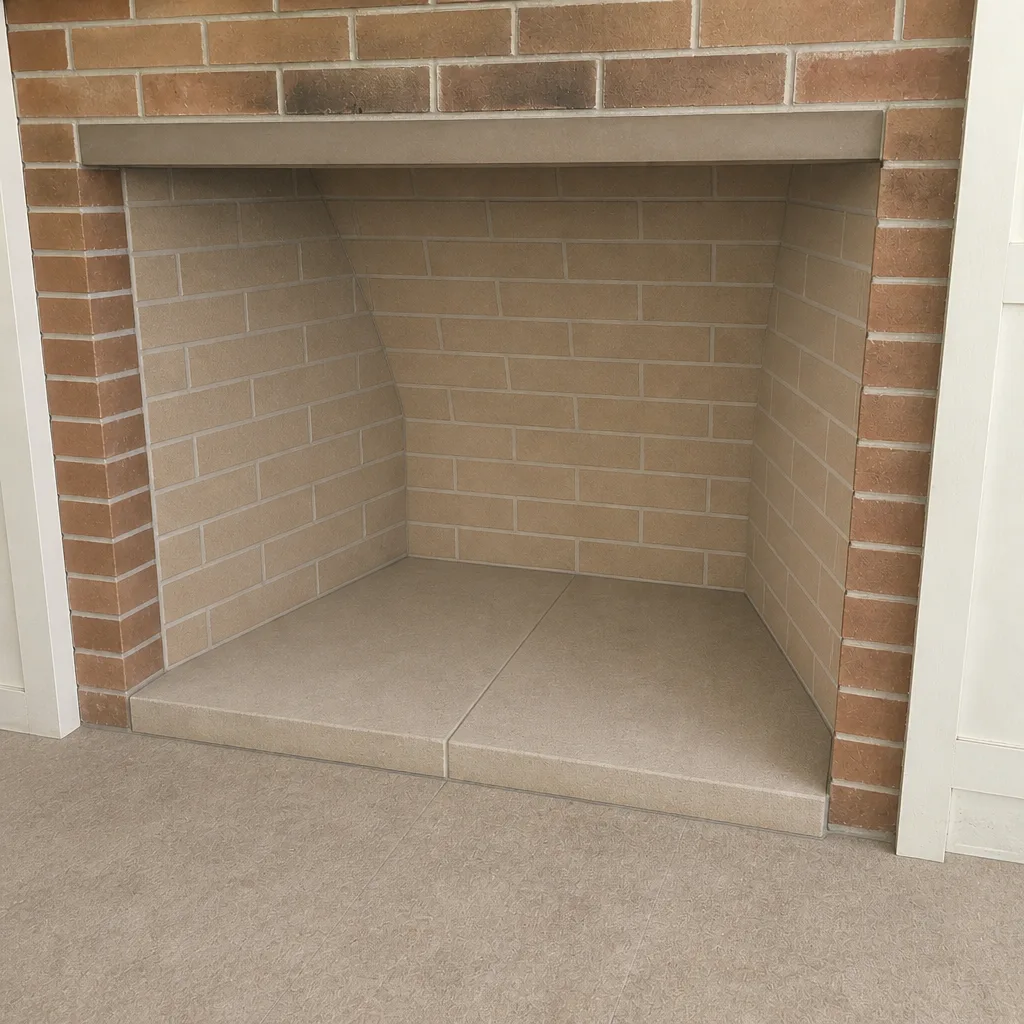
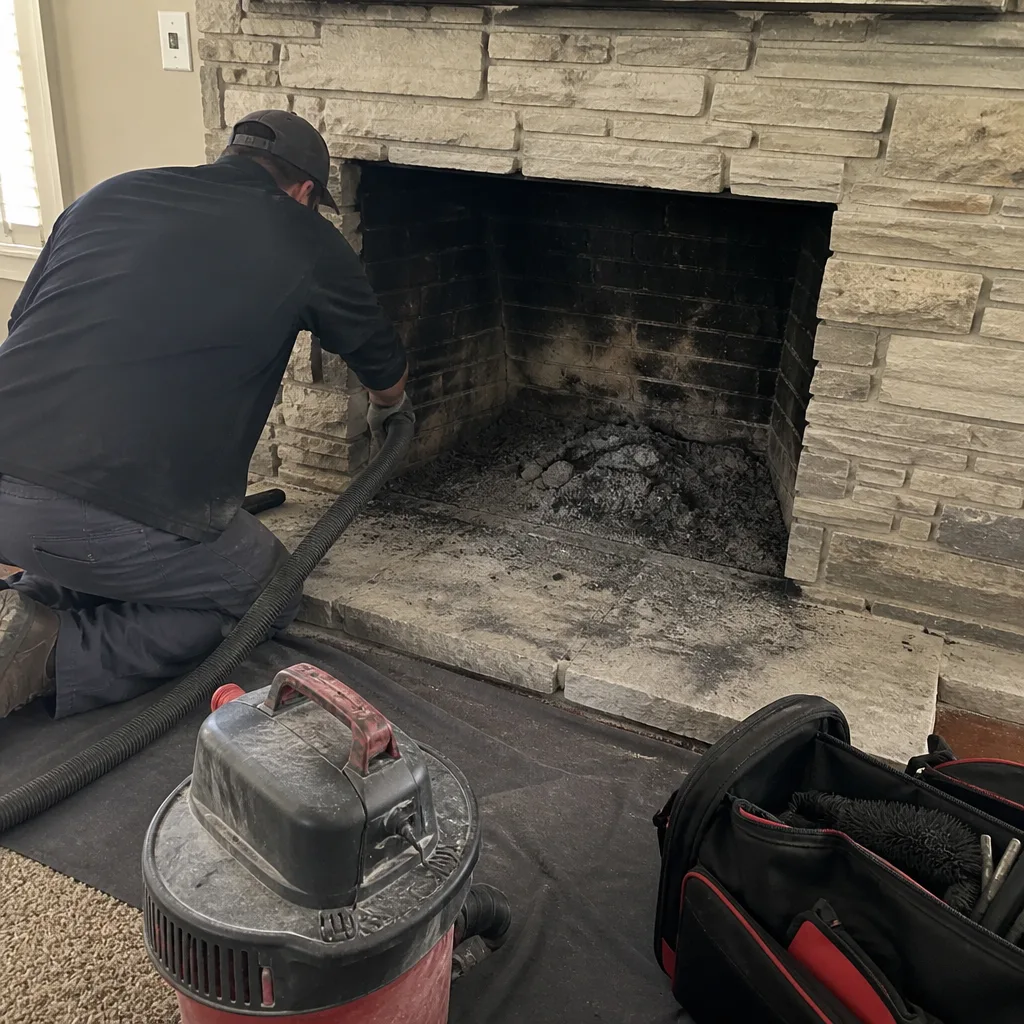
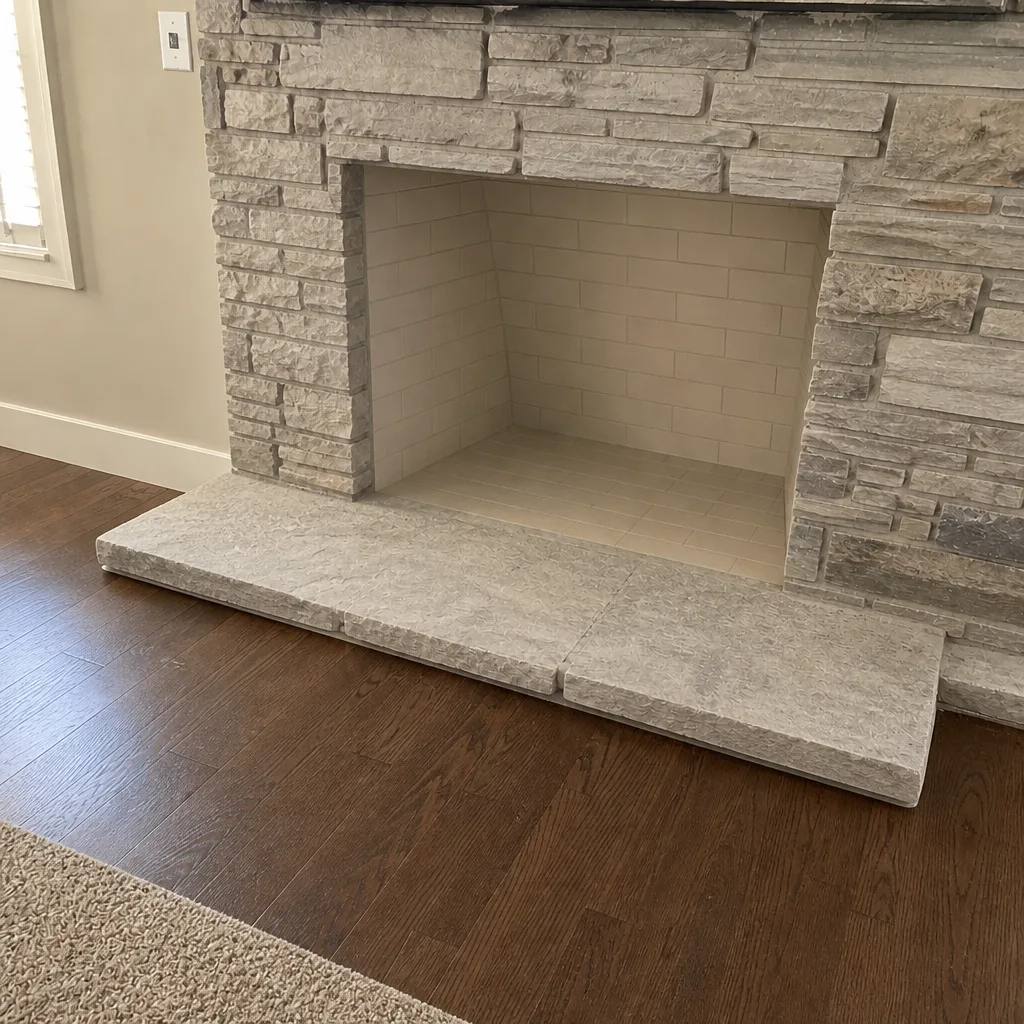
See the difference
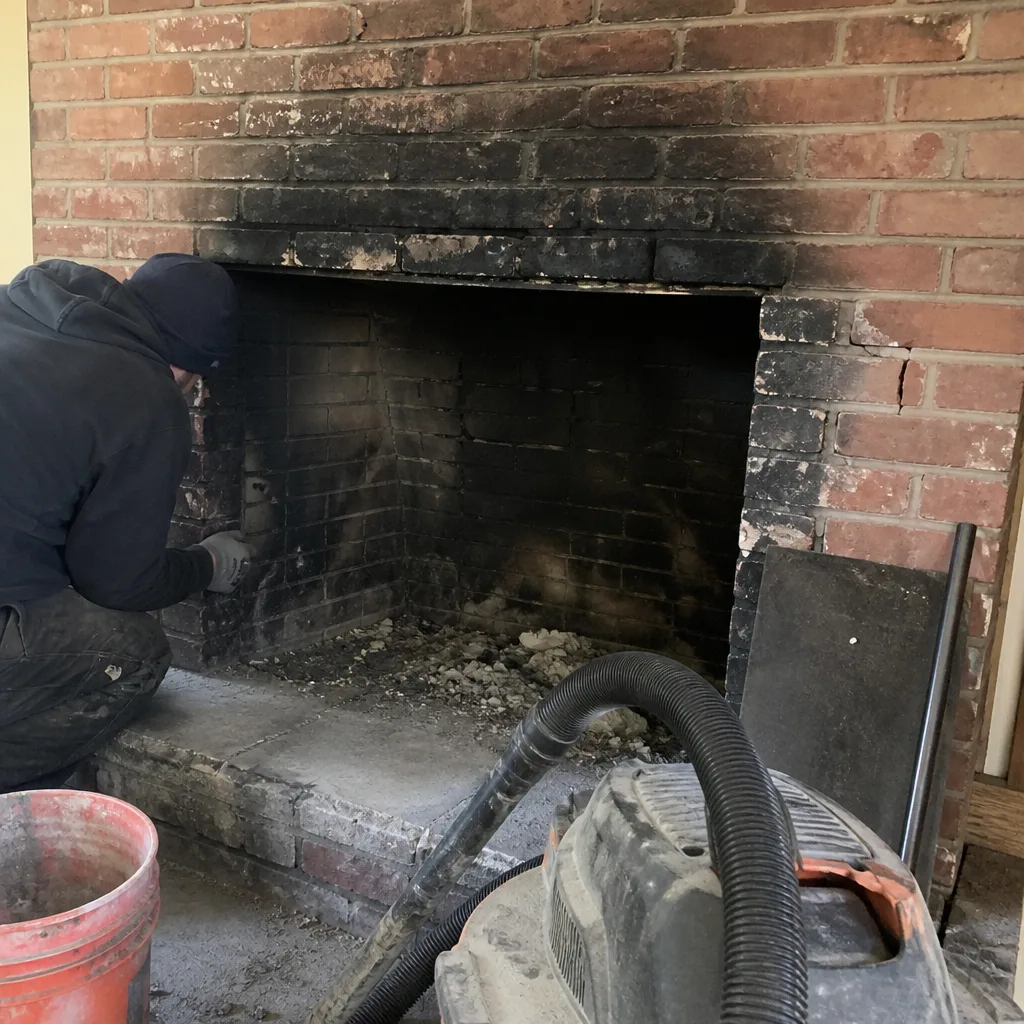 Before
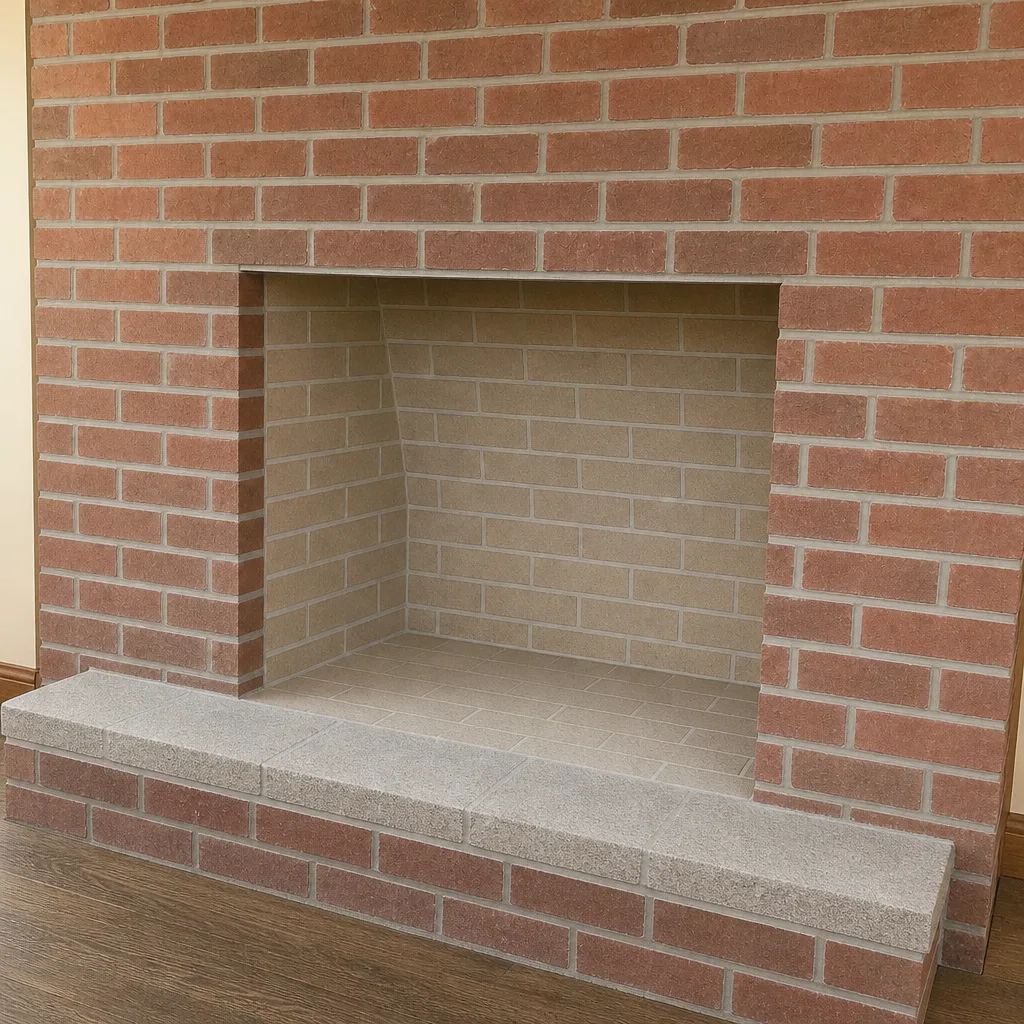 After
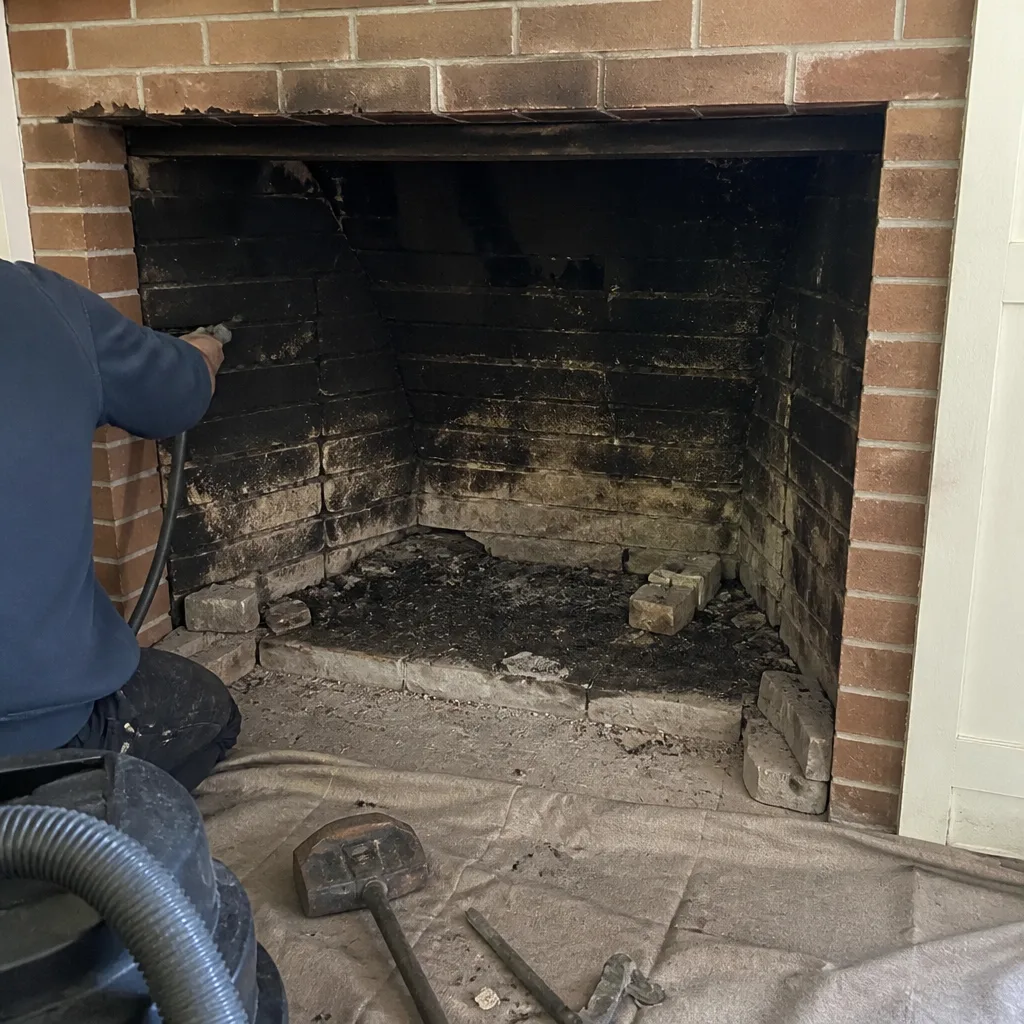 Before
 After
 Before
 After
When to Call a Professional
Call a professional after any suspected chimney fire, after any CO alarm, and before the first fire of the season if the chimney hasn’t been inspected in the past year. Call sooner if you notice a strong creosote smell, visible soot streaks on the chimney exterior, cracked or missing mortar, a damaged crown or cap, or smoke backing into the room when the fireplace is running. The same applies to a dryer that takes two cycles to dry clothes or a vent flap that won’t open.
At Stellar Chimney Cleaning, we clean, inspect, and repair the full system under one roof, using professional-grade materials from DuraFlex, HeatShield, Gelco, Olympia Chimney, Famco, and Copperfield rather than big-box substitutes. Our technicians have up to 8 years of experience. Nothing is recommended without camera evidence you can see for yourself, and we’ll tell you plainly when a repair can safely wait. Stellar Chimney Cleaning offers free estimates in Indianapolis, and the written estimate sets the final price.
Frequently Asked Questions
A chimney fire sounds like a low, rumbling roar, often described as a freight train passing through the wall, sometimes with popping or cracking as creosote ignites in stages. If you hear that sound along with a tar-like smell inside the room, treat it as an active fire: call 911, close the damper, and get everyone outside. Call (888) 560-8179 for the inspection afterward. We answer 24/7. Fast dispatch from 7am to 7pm, Sunday through Friday.
No. A slow, smoldering chimney fire can burn for a while with only a strong smell and a faint roar, and some homeowners don’t recognize it until the fire department arrives. That’s why the smell and the sound matter as much as visible flame. Any one of the three signs is reason to stop using the fireplace and get it checked.
No, not until a camera inspection confirms the flue is intact. A firebox-only look cannot see cracks, warped liners, or baked-on creosote higher in the chase. The damage that matters most is the damage you can’t see from the room. Call (888) 560-8179 to book an inspection with photo evidence you can review. We answer 24/7. Fast dispatch from 7am to 7pm, Sunday through Friday.
A chimney should be swept as often as the buildup requires, which for most homes means once a year during active heating season, and more often if you burn a lot of wood or burn it slowly. The sweep should measure the creosote and tell you the interval that fits your use. A chimney that builds glaze quickly needs more frequent cleaning than one that stays light. Call (888) 560-8179 for a sweep booked before the first fire.
Carbon monoxide risks come from any appliance vented through the chimney system: a gas furnace, water heater, boiler, gas insert, or wood stove. A cracked flue, a blocked flue, or a backdraft pushes CO into the house instead of up the stack, and the symptoms look like a cold or flu. Install CO alarms on every level, test them each fall, and have the whole venting system inspected annually. Call (888) 560-8179 to book an inspection.
Have the chimney inspected and photographed by camera before using it again, and get a written repair plan if the flue is damaged. The fire department confirms the house is safe to occupy; they don’t certify the chimney for future use. If you’re not sure who to call first in Indianapolis, start with the inspection and let the camera answer the question. Call (888) 560-8179 for a free estimate.
The Bottom Line
Chimney emergencies in Indianapolis almost always arrive during peak heating season, when every sweep in the city is booked and the decisions you made before the first fire are the ones that protect you. The playbook is short: know the sound, the smell, and the signs of an active fire; call 911 before you close the damper; treat multi-person symptoms in the house as a possible CO event until proven otherwise; and never burn again after a fire without a camera inspection you can see with your own eyes. The pre-season work handles the rest: a sweep, a camera inspection, a cap, working CO alarms, and a clean dryer vent. Clean it, inspect it, fix it, and the emergency you’re most worried about is the one you’ve already prevented.
If you need a sweep or an inspection booked before the first cold snap, call Stellar Chimney Cleaning at (888) 560-8179 for a free estimate. Full-system chimney and dryer vent service, professional-grade materials, and the same standard of work whether we’re cleaning, diagnosing, or repairing. We answer 24/7. Fast dispatch from 7am to 7pm, Sunday through Friday.
Written by the team at Stellar Chimney Cleaning.