
Last updated November 14, 2026
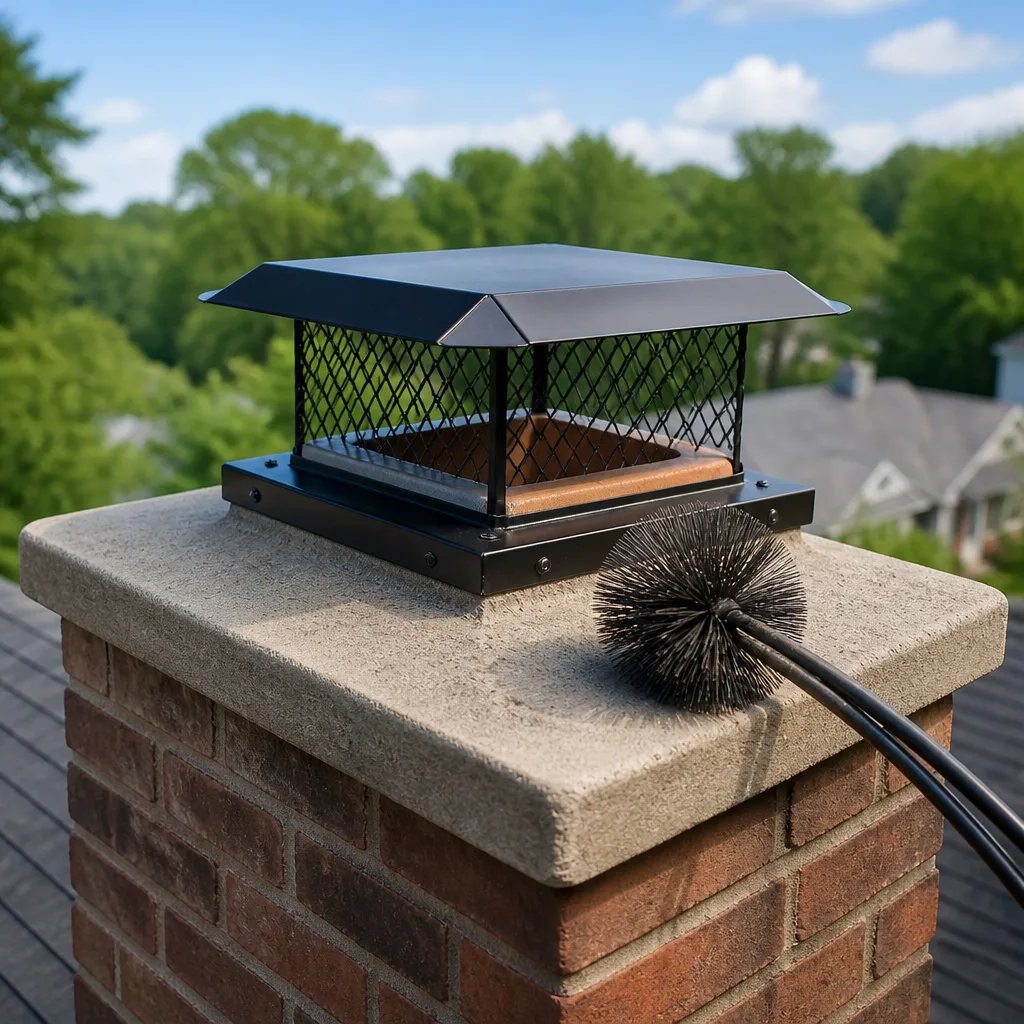 Sweep & inspection
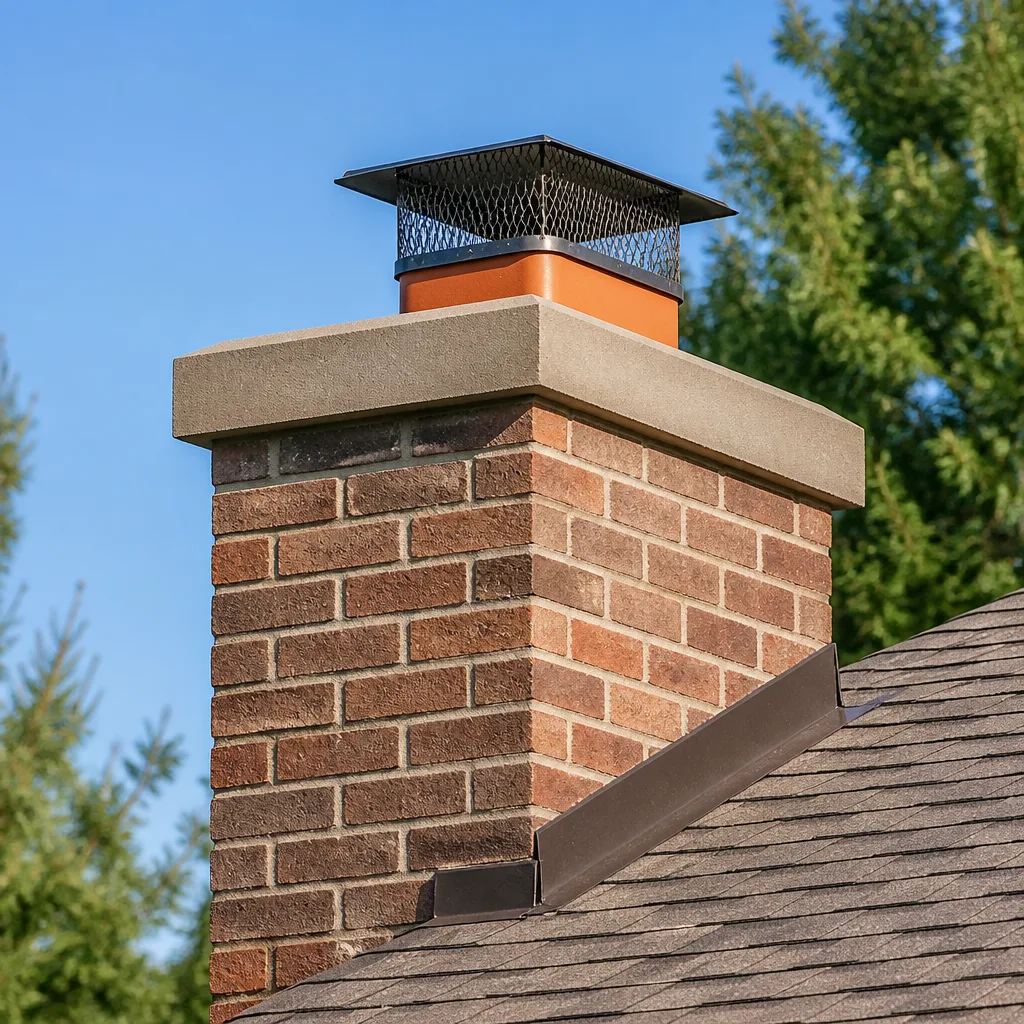 Caps & crowns
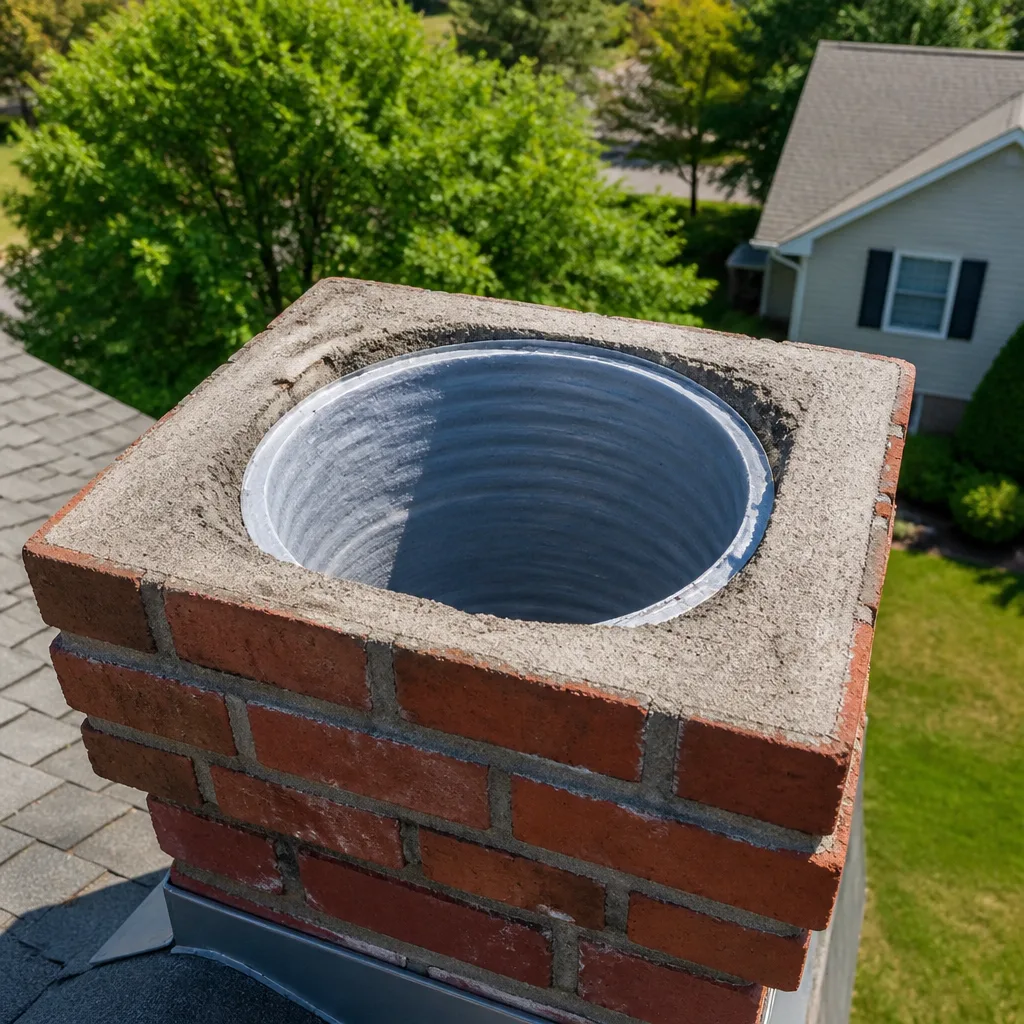 Flue relining
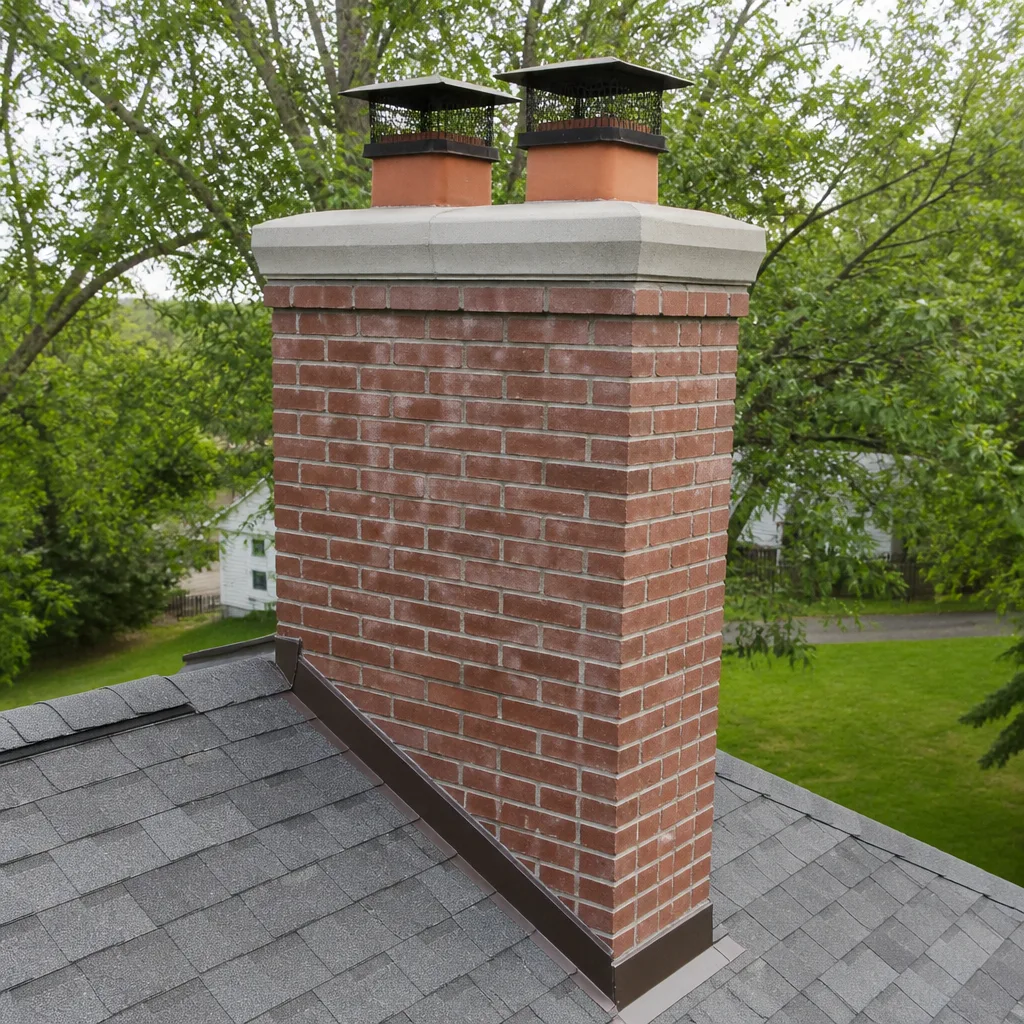 Masonry repair
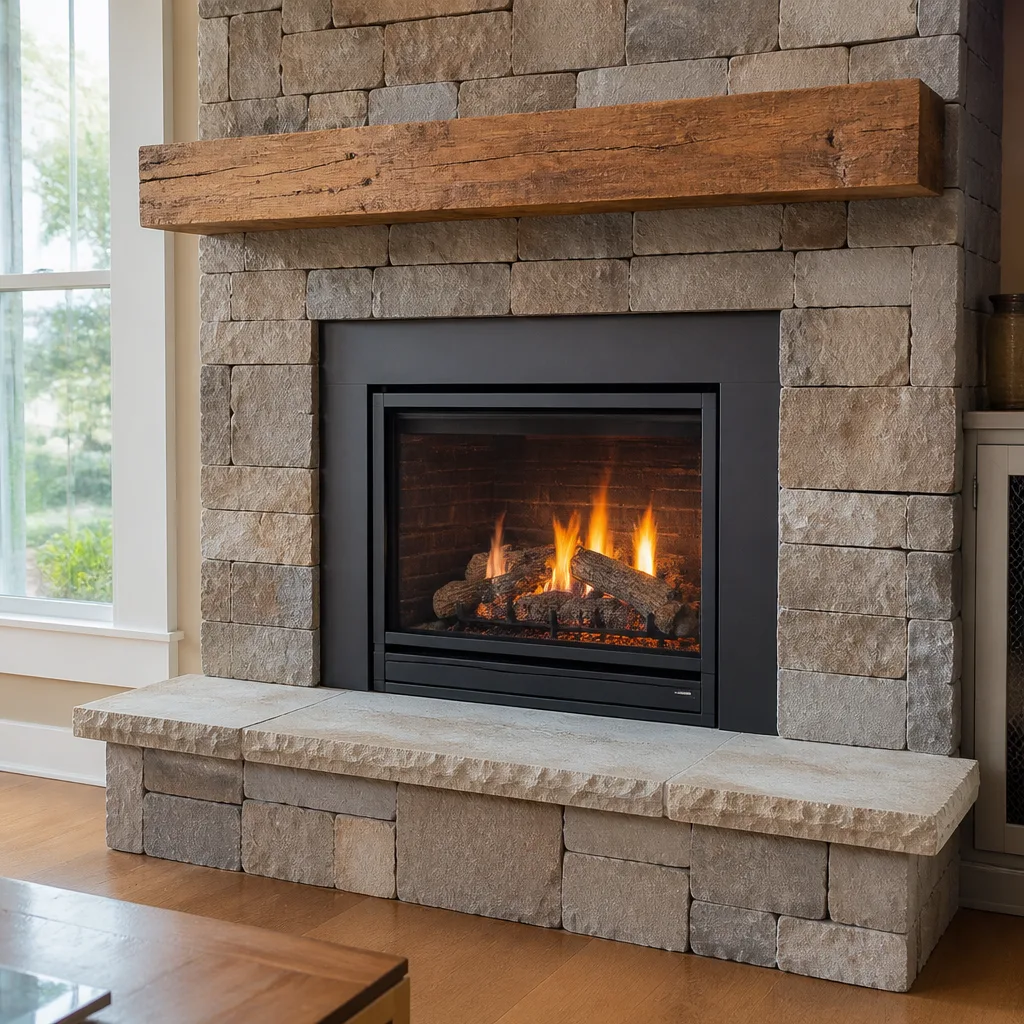 Gas fireplace service
Level 1 sweep and inspection to the NFPA 211 annual standard - flue, crown, cap, and flashing checked and photographed
Chimney sweep logs do not sweep chimneys. They loosen some creosote - which then falls where a brush and vacuum still have to collect it.
Chimney Cleaning Warning Signs: An Indianapolis Homeowner’s Reference Guide
A smoky odor drifting through an Indianapolis home on a humid July afternoon, with no fire in the firebox, is not a quirk of old houses. It’s a draft reversal signal that often points to a blockage or a liner failure, and it’s one of the most reliably ignored warning signs in residential chimneys. Most chimney problems announce themselves long before they become emergencies. The trouble is that nobody teaches homeowners what “normal” looks like, so when something shifts, it’s easy to write off as weather or an old house being an old house. This guide builds a sensory baseline: what your chimney should smell like, look like, and sound like when it’s working, and what each change actually means.
Quick Answer
Chimney cleaning warning signs in Indianapolis include smoky or musty odors in the house, dark staining on exterior masonry, smoke rolling back into the room, sluggish draft, and soot flakes falling into the firebox. If you notice any of these, schedule a sweep and inspection before your next fire. If you smell gas or see rust streaks, stop using the fireplace and call a professional first.
Styles & brands we work with
- Sweep & inspection
- Caps & crowns
- Flue relining
- Masonry repair
- Gas fireplace service
Table of Contents
- The Smell Test: What Chimney Odors Tell You
- Visual Signs You Can Check Without Tools
- Warning Signs While the Fire Is Burning
- Reading the Exterior: What Staining Patterns Mean
- How to Triage: Monitor, Schedule, or Stop Using
- Why Indianapolis Weather Makes Some Signs Worse
- Your Dryer Vent Is a Chimney Too
- A Homeowner’s Walkthrough Checklist
The Smell Test: What Chimney Odors Tell You
Your nose is a surprisingly accurate diagnostic tool once you know what you’re sniffing for. In our experience, the three most common chimney odors each point to a different category of problem, and each one tends to show up in a different season around Indianapolis.
A musty, damp smell is the most common summer complaint. It usually means moisture is getting into the flue or the firebox and mixing with creosote or soot residue. In central Indiana’s humid summers, that smell intensifies in a closed-up house because there’s nowhere for it to go. The underlying issue is often a missing or damaged chimney cap, or a cracked crown letting water in. A Gelco or Famco cap, correctly fitted, is often the fix.
An acrid, sharp, almost chemical smell during a fire is a different animal. That smell often comes from burning creosote, especially if it’s been a couple of seasons since the last sweep. It has a harshness that wood smoke doesn’t. If you smell it, treat it as a prompt to schedule a sweep and inspection rather than burning another load.
A smoky smell indoors with no fire burning is the sign homeowners most often dismiss. On a humid day, this usually indicates either a blockage (a bird nest, a fallen tile, a squirrel) or a draft reversal because the flue is colder than the outside air. Neither is an emergency, but both deserve a look before your first fire of the season. If you also smell gas, stop and call a professional.
Visual Signs You Can Check Without Tools
You don’t need a flashlight and a ladder to spot the most important warning signs. Most of what you need to see is visible from ground level or from inside the firebox, and it takes two minutes on a dry day.
From the ground, look for:
- Broken or missing chimney cap (the topper on the flue, not the crown of the chimney itself)
- Rust streaks or orange-brown oxidation on the cap or the flue top
- Tilted or cracked chimney crown
- Spalling brick (faces flaking off) or white, powdery deposits
- Dark streaks running down the exterior masonry
- Bird activity or nesting material visible at the top
From the firebox, look for:
- Soot flakes or chunks of creosote on top of the damper
- Dark, brittle, glassy buildup on the flue walls (this is creosote; it’s what a sweep removes)
- Cracks or gaps in the firebox brickwork or back wall
- Rust or white residue on metal components
- Damper that won’t fully open, close, or seat flush
What you’re really looking at is evidence of moisture, creosote buildup, or structural movement. Each of those three has a distinct visual signature, and knowing which you’re seeing tells you whether to plan a sweep, a repair, or both. Because we handle sweeping, diagnosis and repair under one roof, we can usually show you what we find on camera and quote the fix in the same visit rather than handing you a report and wishing you luck.
Warning Signs While the Fire Is Burning
Some warning signs only show up during a fire, and they tend to be the ones homeowners notice immediately but explain away. Watch for these during the first ten minutes of any burn.
- Smoke rolling back into the room. A fireplace that smokes on startup, or a puff of smoke when you open the door, is a draft problem. If it happens consistently with the damper open, the flue is restricted, cold, or undersized.
- Sluggish or lazy draft. A properly drafting chimney pulls strongly and smells like a wood fire, not like a stove left on. If the fire labors to catch and the smoke hovers, draft is compromised.
- Excessive smoke smell in adjacent rooms. Smoke that finds its way into upstairs bedrooms or a neighboring room means the flue is leaking through joints, seams, or cracks in the liner.
- The glass door clouds quickly. A wood insert’s glass blacking over within an hour is often a sign of damp wood, poor draft, or a liner that needs attention. Sometimes all three.
- Darker, thicker smoke than usual. Thick gray or black smoke signals inefficient burning, often from wet wood or built-up creosote. Creosote is flammable, and this is the signal worth acting on.
None of these requires panic. They do require a sweep and inspection, because each one points to a draft or liner issue that will only get worse as more creosote accumulates. In Indianapolis, where the burning season runs from October through March, this is the time to catch them.
Reading the Exterior: What Staining Patterns Mean
Most homeowners walk past the outside of their chimney every day without realizing it’s showing them exactly what’s happening inside. The staining pattern is a diagnostic clue, and each color means something different.
- White, powdery deposits (efflorescence). This is salt pushed out of the masonry as moisture migrates through it. It signals a moisture problem, not a structural one yet, but it’s often an early sign that water is getting in behind the brick. A sweep and inspection should include a look at the crown and cap.
- Black streaking or vertical stains. This is carbon and creosote migrating through mortar joints or cracks. It frequently means the flue liner is damaged or missing, and smoke is finding its way through the masonry itself. This is the staining pattern we most often connect to a liner repair quote.
- Rust-colored staining. Rust on the exterior metal (chimney cap, flashing, or the flue top) usually means water is pooling or the liner is corroding from the inside. On a metal liner, rust streaks are a sign of the liner’s end of life.
- Green staining on copper flashing. This is generally benign oxidation, but it can also mean water is sitting where it shouldn’t.
- Soft, crumbling brick (spalling). If you can crumble a brick face with your thumb, moisture has penetrated deep. This is a structural concern that should be inspected promptly.
The liner material matters for what you do next. A damaged clay tile flue may be a candidate for HeatShield ceramic resurfacing, which restores the flue without full tear-out. A completely failed liner usually points to a DuraFlex stainless system. Both are professional-grade materials, and both are built to outlast the cheap generic flue inserts you’ll find online. Knowing which applies starts with a camera inspection, and you can see the photos yourself before you commit to anything.
How to Triage: Monitor, Schedule, or Stop Using
Not every warning sign is an emergency. Some mean “watch this and schedule a sweep before fall.” Some mean “call today.” Some mean “don’t light another fire.” This triage is the most useful thing a homeowner can learn.
Monitor and schedule:
- White efflorescence on exterior brick with no other symptoms
- Mild musty smell in summer that clears after a sweep
- Occasional soot flakes in the firebox
- A damper that’s stiff
- Any chimney that hasn’t been swept in more than two seasons (schedule regardless)
Call and get on the schedule promptly:
- Smoke rolling back into the room
- Consistent smoke smell in adjacent rooms
- Acrid odor during burning
- Dark streaks on exterior masonry
- Visible rust on the cap or flue top
- A cracked crown or a loose cap
Stop using the fireplace and call now:
- Creosote visible as a thick, glassy, or fluffy layer in the flue
- Cracks or gaps in the firebox back wall
- Any gas smell at any time (this is not a chimney call; treat as a gas safety call)
- Smoke escaping through the masonry into a room
- Carbon monoxide alarm sounding with a fire burning
If you’re not sure which category you’re in, the safest move is to stop burning and schedule a camera inspection. A chimney that’s structurally compromised can let combustion products into the house, which is exactly what carbon monoxide alarms are watching for.
Why Indianapolis Weather Makes Some Signs Worse
Central Indiana’s climate is harder on chimneys than many homeowners expect. The freeze-thaw cycle in January and February works masonry the way a chisel would, opening hairline cracks in mortar and brick faces that grow a little each winter. By spring, those cracks let in water. By July, that trapped moisture is feeding the musty smell you noticed in June.
Summers in Indianapolis are humid enough that a closed-up house traps chimney odors inside. A firebox that was fine all winter can smell distinctly unpleasant by mid-July because the residual creosote and soot are off-gassing. That’s a good thing to know: a summer smell is often just a prompt to sweep, not a sign of a disaster.
The transition seasons are worth watching too. October’s first cold snap pushes draft reversal problems to the surface as cold flues struggle to warm up. March, on the other hand, tends to reveal freeze damage to the crown, cap, and flashing. If you sweep in late summer or early fall, you get ahead of both, and you have a clean baseline for the season. We’ve seen too many homeowners discover in November that a cap was knocked loose by a summer storm. A quick look at the cap in August would have avoided it.
Your Dryer Vent Is a Chimney Too
Most homeowners don’t connect chimney warning signs with their laundry room, but the physics are similar. A dryer vent is a heat-and-exhaust pathway, and when lint builds up inside it, the result is the same category of fire risk that creosote creates in a chimney. Lint is highly combustible, and a clogged vent traps both lint and heat.
Warning signs that your dryer vent needs attention:
- Clothes take noticeably longer to dry than they used to
- The dryer itself gets hot to the touch on the outside
- A burning or musty smell when the dryer runs
- Visible lint accumulating behind the dryer or around the vent outlet
- The outdoor vent flap doesn’t open fully when the dryer runs
We treat dryer vent cleaning as a core service, not an add-on, because the fire risk is real and most sweep-only companies don’t handle it. If you’re booking a chimney sweep this fall, it’s worth having the dryer vent looked at on the same visit, especially if the vent runs through a long duct or an exterior wall.
A Homeowner’s Walkthrough Checklist
This is the two-minute check you can run from the ground and from inside the house. It’s not a substitute for a professional inspection, but it will tell you if you need one urgently or can wait until the next scheduled sweep.
- Walk outside and look up. Is the cap in place? Any rust, tilt, or visible cracks in the crown?
- Look at the brick faces. Is there flaking, whiteness, or black streaking?
- Open the firebox and look at the back wall and flue opening. Any cracks, soot flakes, or glassy buildup?
- Work the damper. Does it move freely and seat cleanly?
- Sniff the firebox in the off-season. Musty, acrid, or smoky smell means schedule a sweep.
- Light a small test fire and watch the first five minutes. Smoke rollback, sluggish draft, or thick smoke means call.
- Check the carbon monoxide alarm. Is it on the same floor as the fireplace, and does it have a fresh battery?
Anything in step 1, 2, 3, or 6 that surprises you is worth a phone call. Anything in step 5 is a schedule. Anything in step 3 that involves cracks or severe buildup is a stop-and-call. Have a look before every burning season, and you’ll build a real baseline for your own chimney.
Common Mistakes to Avoid
- Assuming a summer smell is “just the house.” Musty or smoky odors in July usually mean moisture or creosote residue somewhere in the system. Ignoring them through the summer means you’ll discover the cause in October when the first fire won’t draft.
- Thinking a sweep is enough. A sweep removes buildup; it doesn’t diagnose a cracked crown, a failing cap, or a breached liner. If the company you hire doesn’t include inspection photos, ask for them before you pay.
- Waiting for a chimney fire to call. Most chimneys that have a fire give some warning first: acrid smell, thick smoke, or creosote visible in the flue. Those are the signs to act on, not the event itself.
- Putting a cheap universal cap on a flue with a liner. A mismatched cap is often how water and birds get in. Famco and Gelco make properly fitted caps, and the wrong size is a false economy.
- Skipping the dryer vent because “the dryer still works.” Lint fires start before the dryer stops working. Slow drying times are the earliest warning, and they’re easy to notice.
- Burning wet or “seasoned yesterday” wood. Local firewood sold as seasoned isn’t always low enough in moisture, and wet wood produces more creosote. Ask when it was split and how it was stored.
- Believing a “we looked at it from the street” inspection. The important findings come from a camera inside the flue, not from a glance at the roof.
See the difference
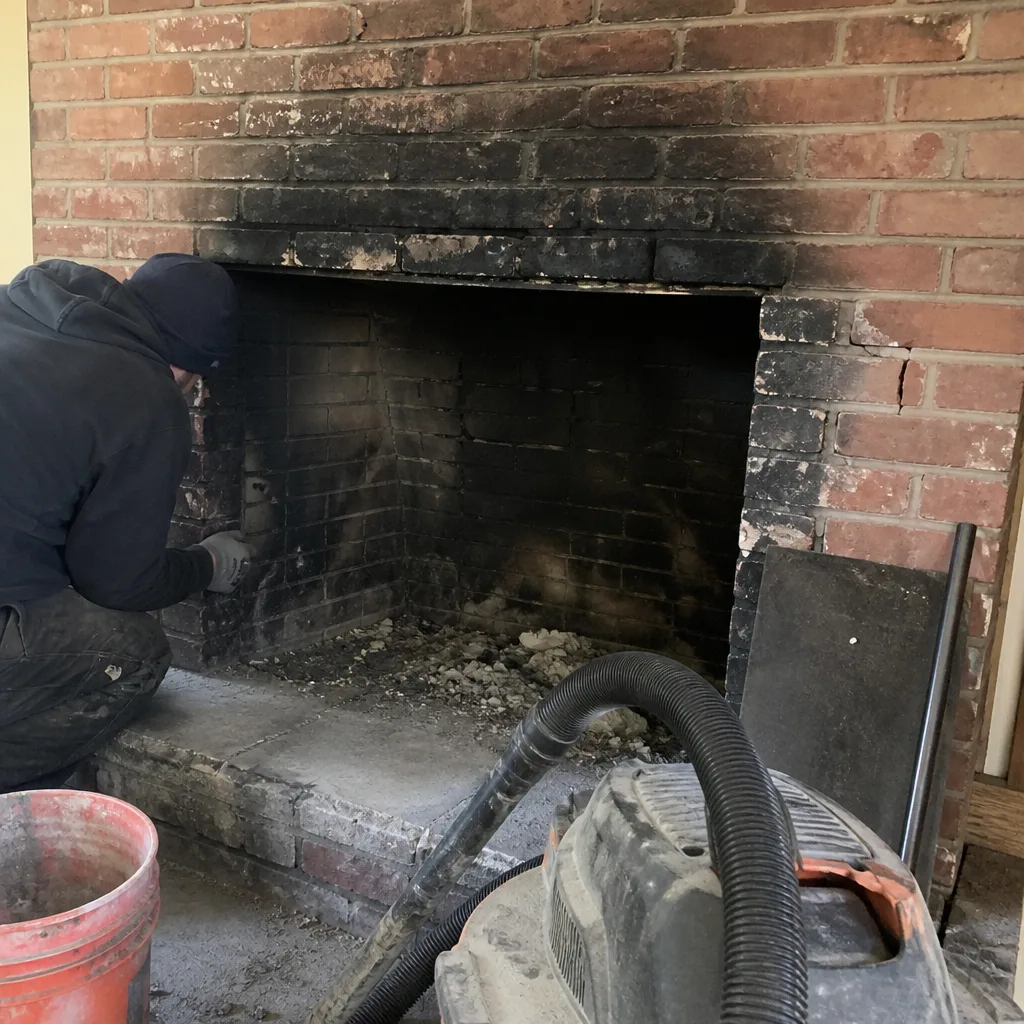 Before
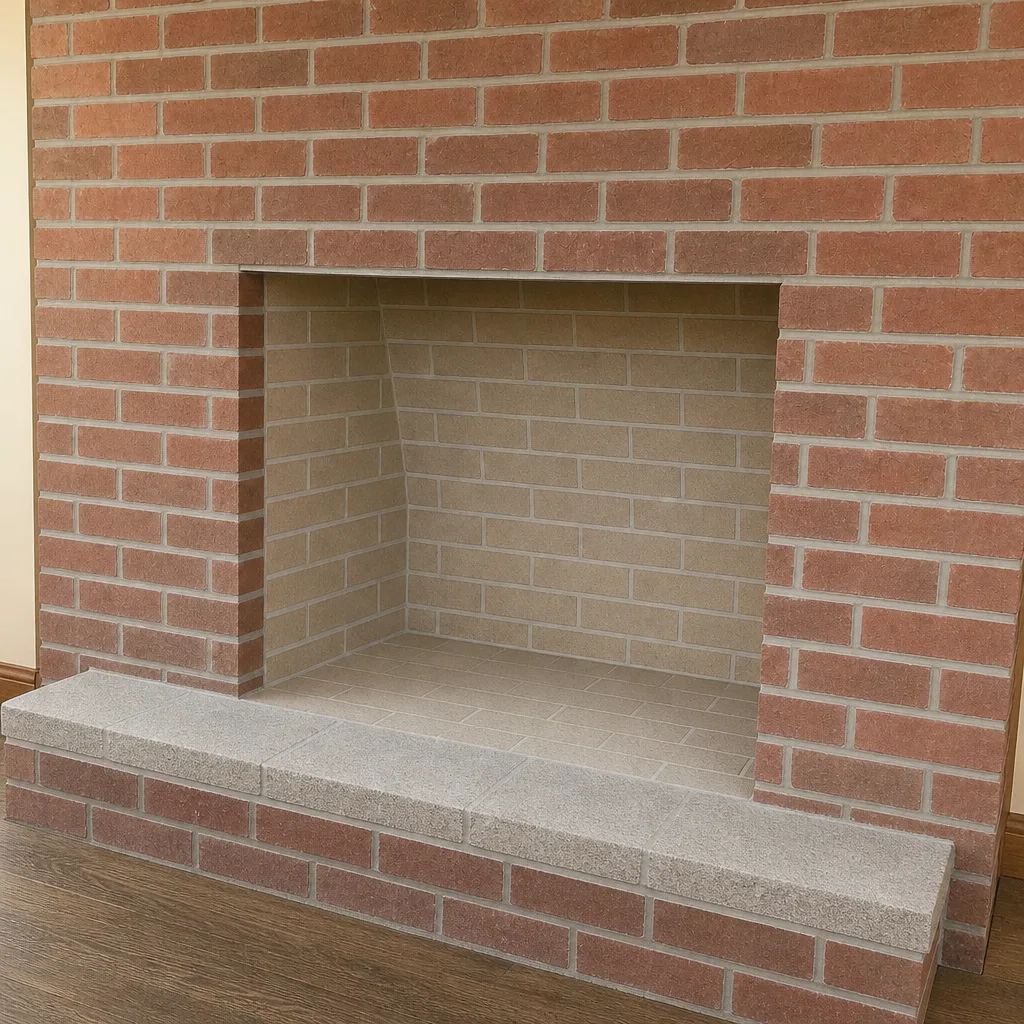 After
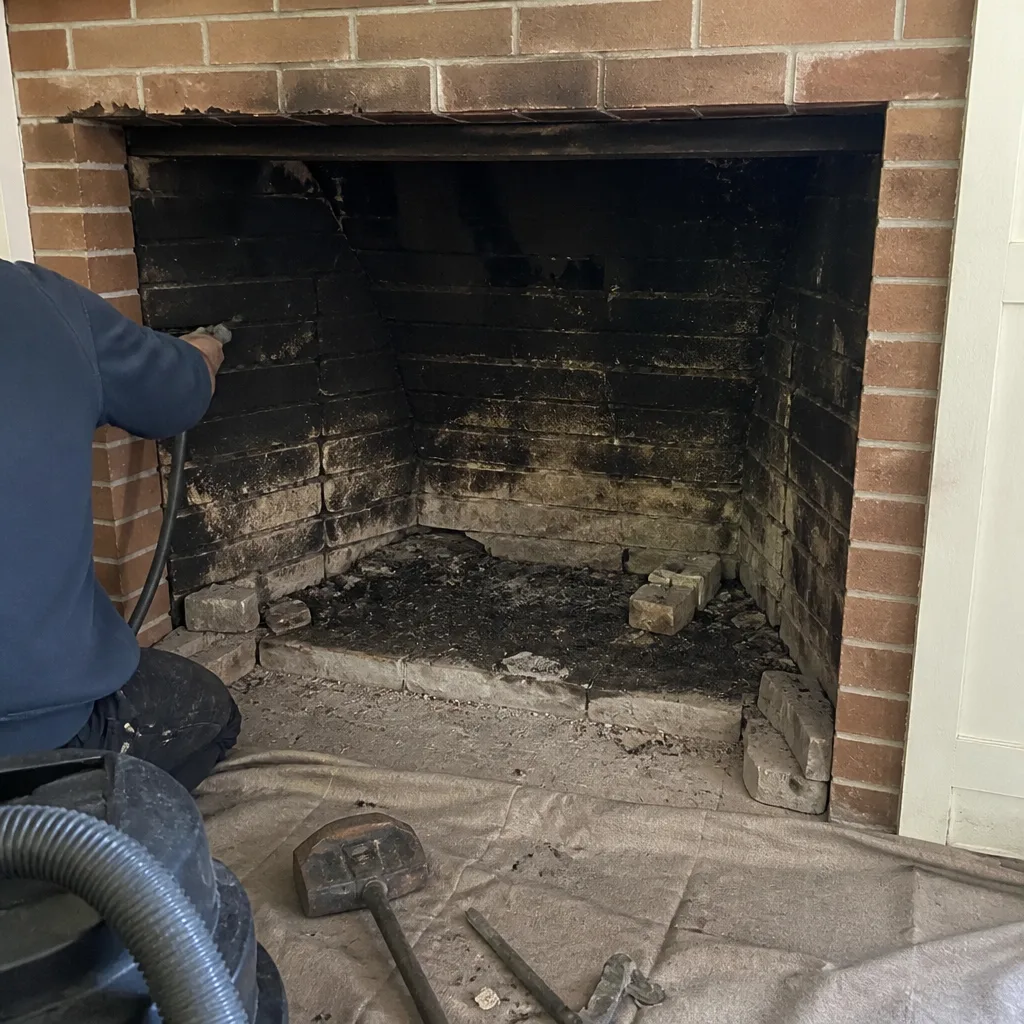 Before
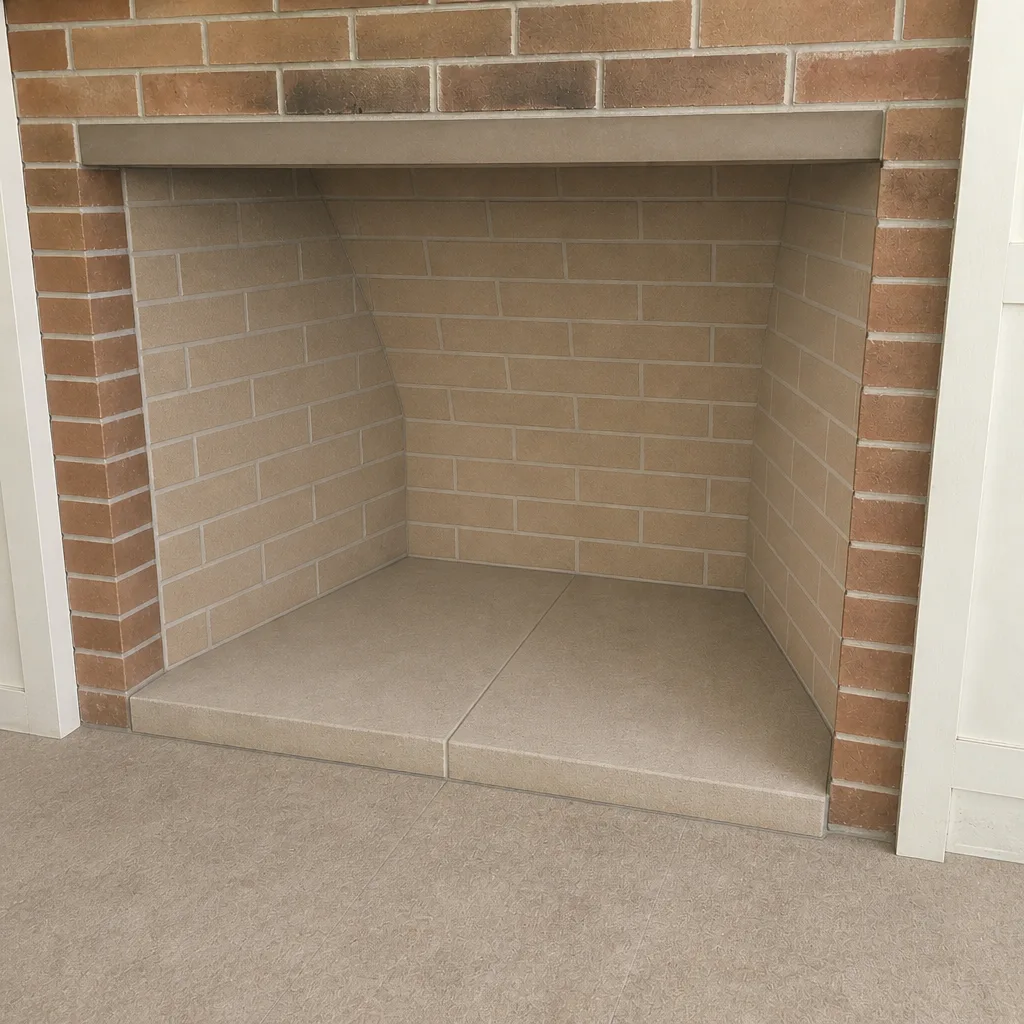 After
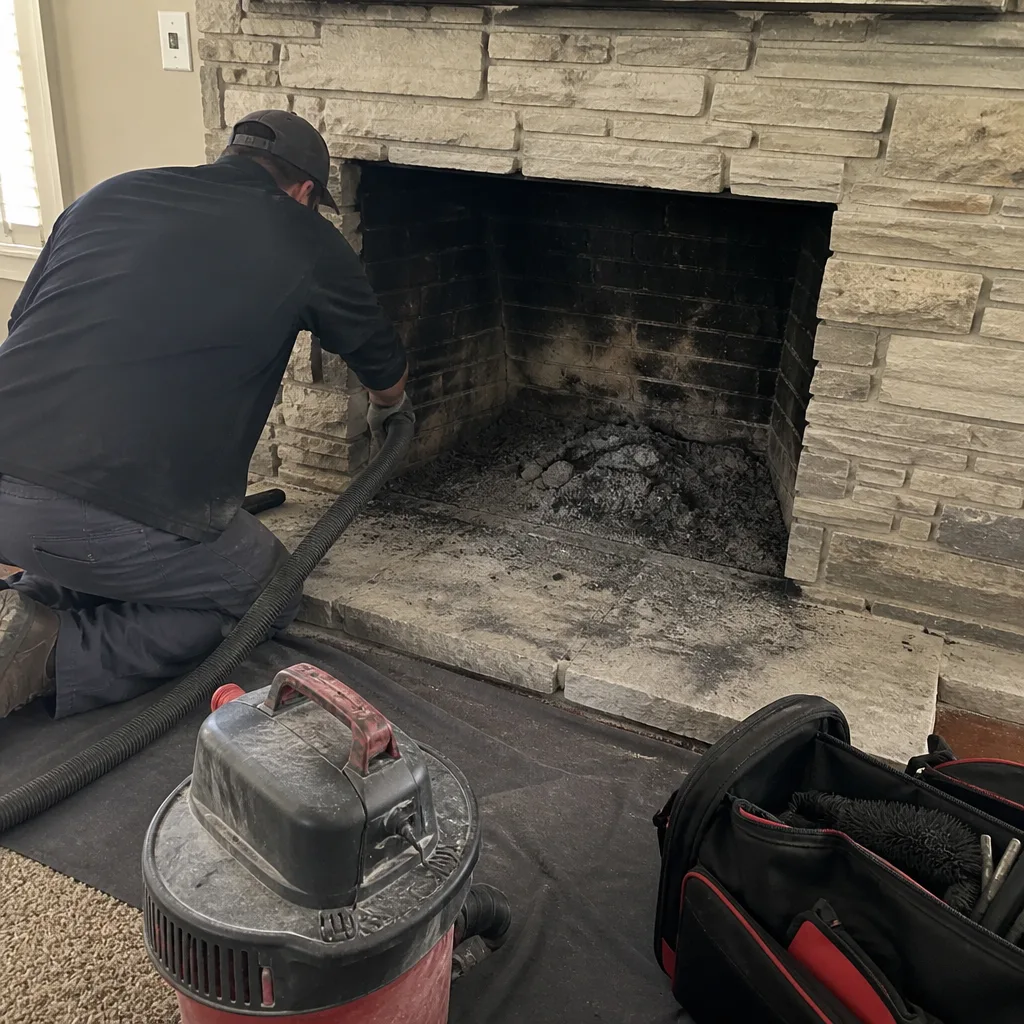 Before
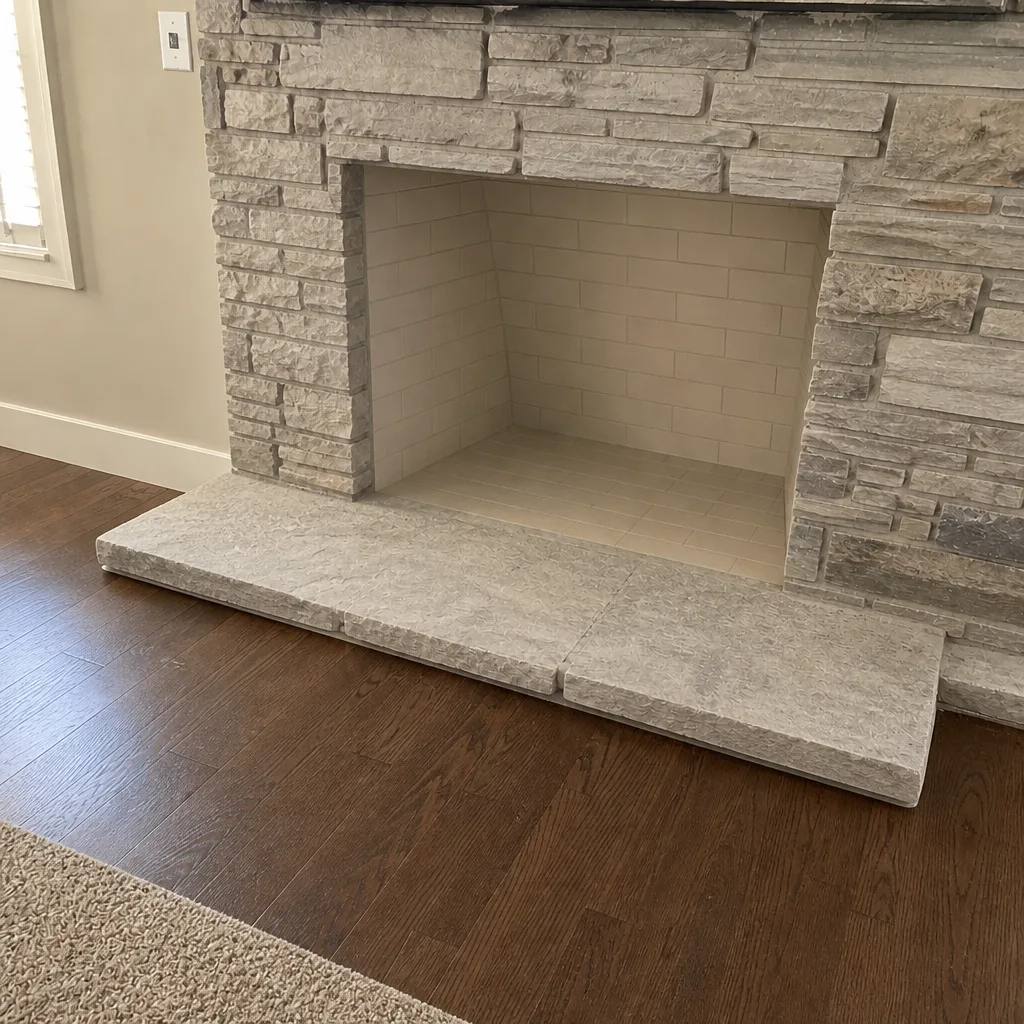 After
When to Call a Professional
Call a professional if you have any of these: smoke rolling back into the room, a consistent odor indoors from the chimney with no fire burning, visible dark streaks or rust on the exterior, a cap that’s loose or missing, a firebox with cracked brick, or simply a chimney that hasn’t been swept in more than two seasons. If the carbon monoxide alarm has ever sounded while a fire was burning, call before you burn again. Stellar Chimney Cleaning offers free estimates in Indianapolis – call (888) 560-8179. We answer 24/7. Fast dispatch from 7am to 7pm, Sunday through Friday. Our technicians have up to 8 years of experience, and they’ll show you camera evidence of anything they recommend.
Frequently Asked Questions
The most common signs are smoky or musty odors indoors, dark streaks on exterior masonry, smoke rolling back into the room during a fire, and soot flakes falling into the firebox. Any one of those is reason enough to schedule a sweep and inspection before your next fire. Call (888) 560-8179 for an exact quote – estimates are free.
Not always. If the flue is cracked but still intact, HeatShield ceramic resurfacing can often restore it without full replacement. A failed or missing liner usually calls for a DuraFlex stainless system. You should see camera photos of the liner’s condition before agreeing to either, and a company should be able to show you why a repair is warranted. Call (888) 560-8179 for an exact quote – estimates are free.
Once a year is the general rule for chimneys in active use, and more often if you burn heavily or burn unseasoned wood. If your fireplace is used only a few times a season, a professional evaluation every two years is a reasonable minimum, but a visual check each fall is smarter. Call (888) 560-8179 for an exact quote – estimates are free.
Creosote builds up and becomes flammable, which raises the risk of a chimney fire. Less dramatically but just as real, airflow degrades, so your fires burn worse and smoke finds its way into rooms. Neither problem gets better with waiting. Call (888) 560-8179 for an exact quote – estimates are free.
It’s common, but not normal. A musty or smoky smell in July usually means moisture mixed with creosote residue, often from a cap or crown issue. It’s a sign to schedule a sweep, not a reason to panic. Call (888) 560-8179 for an exact quote – estimates are free.
We don’t recommend it, and the biggest reason is what you can’t see. A homeowner with a brush can remove soot but can’t inspect the flue for cracks, a failed liner, or a damaged crown. The risk is finding out about a hidden problem the wrong way. Call (888) 560-8179 for an exact quote – estimates are free.
The Bottom Line
Most chimney problems give you weeks or months of warning before they become dangerous. Your nose can catch a summer draft reversal, your eyes can catch exterior streaking, and your fire will tell you when the draft is compromised. The trick is knowing what normal looks like, and then acting when your chimney tells you it’s changed. If you’re not sure, schedule a chimney sweep and camera inspection. If it’s been a season or more since your last sweep, now is the time to book. If a warning sign has been on your mind, don’t wait for it to become the reason you called.
Call (888) 560-8179 for a free estimate. We answer 24/7. Fast dispatch from 7am to 7pm, Sunday through Friday.
Stellar Chimney Cleaning is a full-system chimney specialist offering sweeping, dryer vent cleaning, and chimney repair under one roof, using professional-grade materials like DuraFlex, HeatShield, Gelco, Olympia Chimney, Famco, and Copperfield. Clean it. Inspect it. Fix it. Learn more at Stellar Chimney Cleaning.
Written by the team at Stellar Chimney Cleaning.